One FAA Glitch and Antigua’s Flights Sat on the Tarmac: Michael Strachan Says the Caribbean Built Terminals, Not Air Traffic Systems
A US air traffic failure on November 13 delayed flights in Antigua. Ambassador Michael Strachan says Caribbean governments have invested in airport buildings but not enough in the systems behind them.
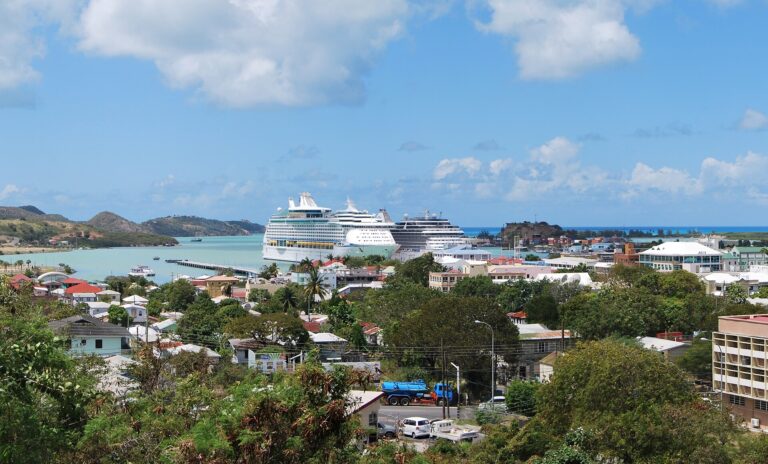
On Friday, November 13, a telecommunications failure inside the United States Federal Aviation Administration knocked out radar systems used by air traffic controllers. American departures were grounded while controllers brought down the planes already in the air. In Antigua, two American Airlines flights bound for the United States were reportedly delayed at VC Bird International Airport that evening.
Nobody was hurt. Every aircraft landed safely. But the episode exposed something the Caribbean prefers not to discuss: when the American system stumbles, the region has very little of its own to fall back on.
A Blunt Verdict From a Regional Insider
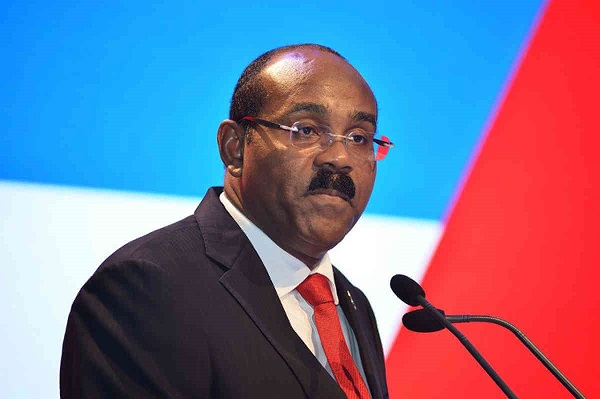
Ambassador Michael Strachan, chief operating officer of the Bahamas Aviation Climate and Severe Weather Network and a permanent representative to the International Civil Aviation Organization, said the US network had needed modernising for between 15 and 17 years. He called the decision to ground departures appropriate, because it limited the number of aircraft entering a system already in trouble.
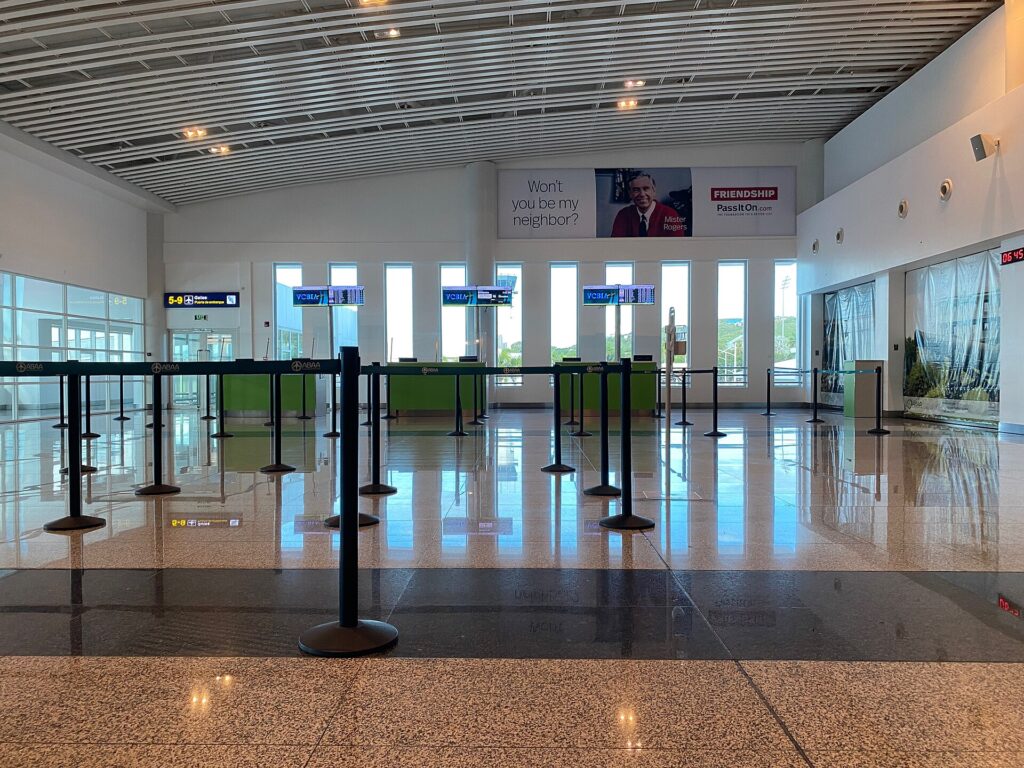
His sharper words were for the Caribbean. Asked whether regional countries were investing enough in the technology needed for safe and efficient air travel, he said: “I don’t think they are.” Governments, he argued, have spent on airport buildings and passenger facilities, but modern-looking airports do not necessarily have the operational infrastructure behind them. He listed what deserves more attention: telecommunications, backup power, surveillance systems, weather services and equipment maintenance.
That is the uncomfortable truth in a sentence. A new terminal makes a good photograph for a minister. A backup power system for air traffic services does not.
The Cost Lands on Travellers
Strachan explained why a fault in America becomes a Caribbean problem. Many regional travellers depend on US airports for connections, so disruption means delayed arrivals, missed connections, hotel and transfer changes and cancelled holidays. Even after systems are restored, airlines must reposition aircraft and crews and rebook stranded passengers, dragging the disruption out.
He wants the region to take more control of its own airspace management and air traffic systems rather than depend so heavily on outside networks. He acknowledged that budgets are tight and suggested public-private partnerships could pay for modernisation, training and staff development without further burdening taxpayers. He also flagged the shortage of trained aviation professionals, noting that many skilled Caribbean nationals build careers abroad and, for economic reasons, do not necessarily come home.
Test the Plans Before the Real Thing
His most practical proposal is a regional exercise: simulate a major disruption at a US gateway while Caribbean airports run at reduced capacity, and bring in airports, airlines, air traffic services, meteorological agencies, immigration and emergency managers. Work out where diverted aircraft would land, how passengers would be told, and how quickly service could resume. Such drills, he said, would expose weaknesses and make clear who must fix them.
It is hard to argue with any of that. The real question is why it has not happened already. He also tied better weather observation to stronger hurricane forecasting, a benefit far beyond aviation. Governments that cut ribbons on terminals should be asked, plainly, what they have spent on the systems that keep the planes moving safely. On the evidence of November 13, the answer matters more than the architecture.