Oil Falls Three Weeks Running and Antigua Warns Drivers Fuel May Go Up. Show Us the Maths
Antigua's government warns fuel prices may rise even as world crude falls for a third week. If the real issue is the cost of the subsidy, it should publish the numbers.
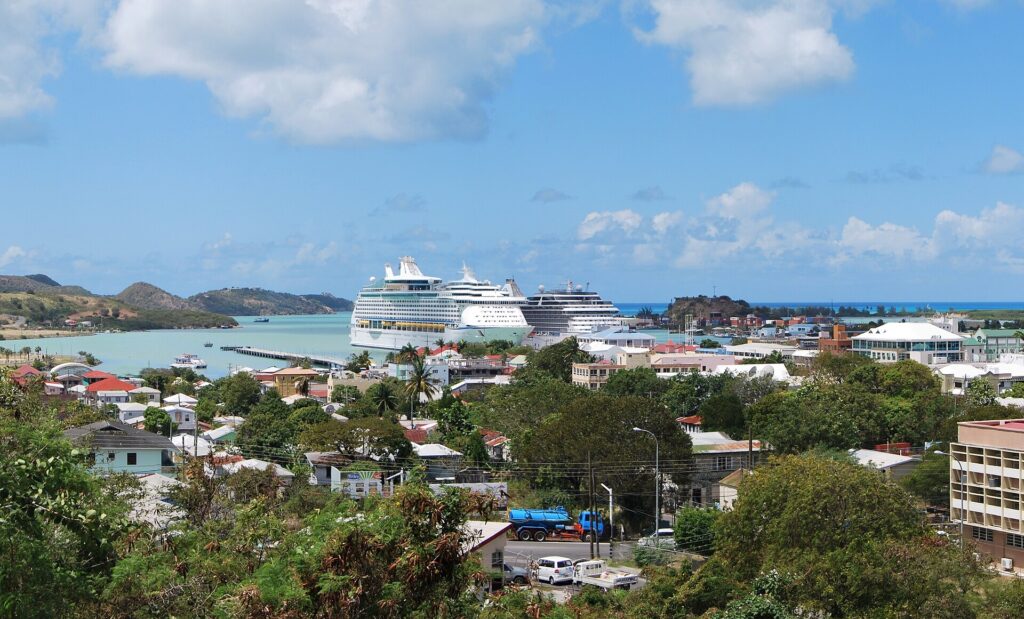
World oil prices are falling, and Antigua and Barbuda’s government has chosen this moment to tell motorists to brace for higher prices at the pump. That is a strange message, and it needs a far better explanation than the one on offer.
What was said
At Thursday’s post-Cabinet briefing, Director General of Communications Maurice Merchant warned that the conflict involving Iran could still force local fuel price adjustments. “We have to also brace ourselves that the possibility exists that there may be increases if there is not some relaxation of fighting in these areas,” he said. He explained that the government has been subsidising fuel for months to shield consumers, and suggested that continued market uncertainty makes holding current prices harder. He also warned food prices could be affected, and said the government is exploring alternative trading arrangements to cut import costs. No specific increase or date has been announced.
What the market is doing
The timing is awkward. Brent crude traded around US$90.33 a barrel on Friday 20 November and US crude around US$81.59, both heading for a third straight weekly fall, with Brent down about 6 per cent on the week and US crude nearly 8 per cent. The International Energy Agency reported that global supply exceeded demand by nearly two million barrels a day in October. Brent had been around US$72 before the conflict escalated, peaked near US$126 in April and has been easing since.
There are honest reasons local prices lag. Antigua buys refined products, not crude, and pays for shipping and the timing of cargoes. Tanker attacks in the Strait of Hormuz keep risk alive. But those are reasons for caution, not for a warning of increases while every benchmark points down.
The real question is the subsidy
The most likely truth is hidden in Merchant’s own words: the subsidy is getting expensive and the government would like to spend less on it. That may even be sensible fiscal policy. If so, say it straight. Tell the public how much the subsidy has cost, how much it costs each month now, and at what world price the government intends to withdraw it.
What is not acceptable is to blame a distant war for a domestic budget decision. Families already squeezed by transport and grocery bills deserve better than vague bracing. If prices rise when crude is falling, the cost should be explained line by line: import price, shipping, taxes, margins and subsidy.
Merchant is the government’s messenger, and the message was half finished. The finance ministry should finish it with numbers before any change hits the pump. A government confident in its pricing has nothing to fear from publishing the formula.