COP31 Drops the Fossil Fuel Pledge, and Trinidad and Tobago Gets Exactly the Deal It Cannot Admit It Wants
A new COP31 draft drops fossil fuel phase-out language while promising more finance. For gas-producing, flood-exposed Trinidad and Tobago, the text exposes a position it has never had to explain.
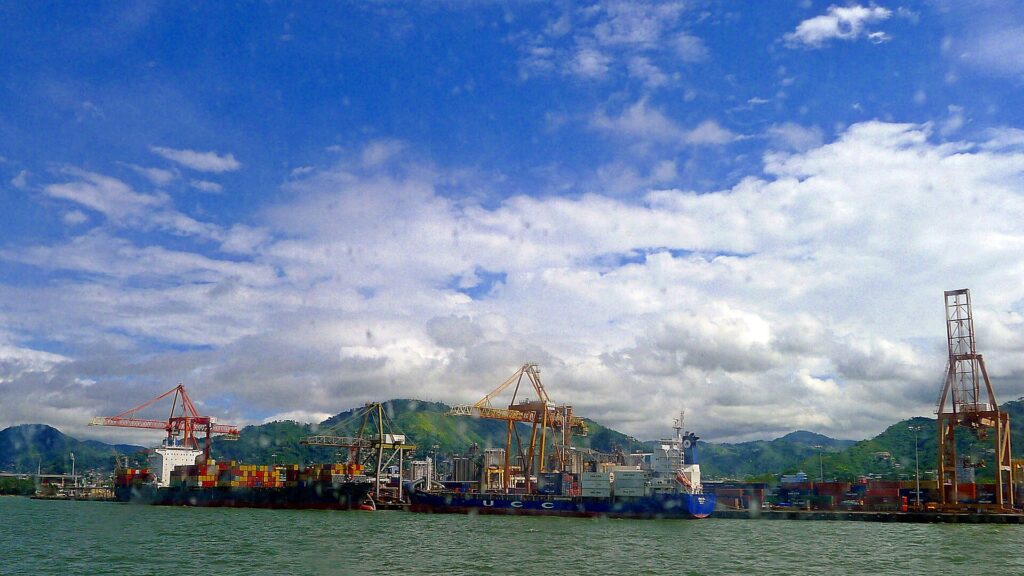
The world’s climate negotiators have found a way to agree: stop mentioning the thing that causes the problem. For Trinidad and Tobago, a gas producer on a flood-prone island, that is a relief and a threat in the same sentence.
A new draft agreement released by the COP31 Presidency in Antalya on Thursday has removed references to phasing out fossil fuels. In their place the text talks about cleaner energy, cutting emissions and getting more climate finance to developing countries.
The defence: ambition by consensus
Australia’s Climate Change Minister Chris Bowen, who is presiding over the negotiations, was frank about the reasoning. ‘We’ve put forward what we think, based on all our consultations, gives us the best chance of receiving the most ambitious result that consensus will allow,’ he said. He insisted the commitment made at COP28 in Dubai to transition away from fossil fuels still stands, and that the task now is finding practical ways to do it, with electrification at the front.
UN climate chief Simon Stiell said much the same: ‘The commitment to transition away from fossil fuels was made in COP28. You do not erase that.’ COP31 President Murat Kurum rejected the idea that the change weakens anything. ‘I don’t think that there’s any backsliding,’ he said.
If nothing has been erased, there was no need to take the words out. ‘The most ambitious result that consensus will allow’ is a polite description of a veto held by the countries with the most oil and gas to sell. The missing language has become a sticking point above all for small island developing states, which have been pressing for stronger action. Bowen acknowledged that there are countries at the talks ‘whose very existence is at stake’. He then defended a text that leaves out what they asked for.
The money that is not there
The draft concedes that the world is on course to exceed the 1.5°C limit set as the aim of the Paris Agreement. Having admitted that, it offers finance: a call to triple adaptation funding for developing countries by 2035, and for electricity to make up 35 per cent of global energy use by the same year.
One line shows how thin that promise is. The Fund for Responding to Loss and Damage has received about US$2.8 billion in requests. It has allocated US$342 million. That is roughly 12 cents for every dollar asked. Kurum says access must be simplified and approvals speeded up. Islands rebuilding roads and sea walls have heard that at every summit.
Port of Spain’s double game
Trinidad and Tobago sits on both sides of this argument. As an oil and gas producer it has an obvious interest in a slow exit from fossil fuels. As a Caribbean island it faces flooding, coastal erosion and extreme weather like its neighbours. A text that goes quiet on fossil fuels and loud on finance suits the first interest and pretends to serve the second.
The honest position would be to say so. The country’s economy depends on gas, and no government in Port of Spain will campaign to shut it down. But it cannot stand with the small islands when asking for adaptation money and stay silent when they ask for the cause of the damage to be named. Its neighbours are entitled to know which delegation it is.
The summit is due to close on Friday, and Bowen says negotiators will not leave Antalya without consensus. The text is a draft and may change. If the final version still cannot bring itself to mention fossil fuels, the Caribbean should stop describing these meetings as progress and start counting what they actually deliver: twelve cents on the dollar.