Antigua Inflation Hits 8.6%: Power, Transport and Phone Bills Are Eating the Pay Packet, and Bus Fares Are Next
Antigua and Barbuda's annual inflation rose to 8.6% in October, driven by electricity, transport and communication. A 75-cent bus fare rise is pencilled in for January.
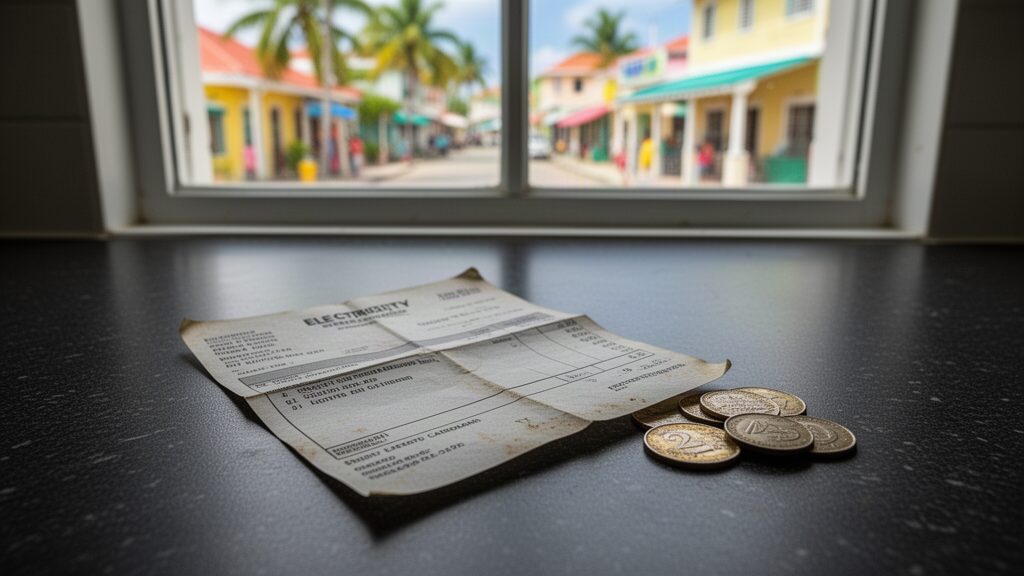
Antigua and Barbuda’s inflation rate has hit 8.6 per cent, the highest in more than a year of official figures, and the things driving it are the things nobody can stop buying. Electricity, transport and communication together accounted for 49.3 per cent of the annual rise, according to the National Bureau of Statistics’ October consumer price index, released on Monday.
The climb has been steep. Annual inflation was 5.5 per cent in August and 7.0 per cent in September before October’s 8.6 per cent. Prices rose 1.1 per cent in October alone, the same monthly jump as September.
Where the Money Is Going
Transport prices were up 19.7 per cent on a year earlier. Communication rose 22.1 per cent. The housing, water, electricity, gas and fuels category climbed 13.5 per cent. Eight of the 12 major spending categories rose. The only real relief came from food and non-alcoholic drinks, down 1.4 per cent, and clothing and footwear, down 4.2 per cent.
The core index, which strips out food and energy, also rose 8.6 per cent year on year, with higher airfares, phone and data costs and rents cited among the drivers. Energy jumped 9.7 per cent in a single month. In other words this is not just an oil shock that will pass; it has spread into rents and services.
The Budget Is About to Make It Worse
The timing could hardly be worse for commuters. Cabinet has already agreed in principle to a 75-cent increase in public bus fares from January 2027, after talks with the bus association, and approved a $6-a-gallon fuel subsidy for operators. Prime Minister Gaston Browne has now said gas station owners also want a higher margin, and urged finance officials to finish the analysis quickly. He gave no figure and no date.
The government says it spent more than $100 million subsidising petroleum products this year. That subsidy was meant to hold prices down. With transport up almost a fifth and fares about to rise, ordinary households can be forgiven for asking what they got for it.
Who Pays
A worker who takes two buses each way every day will feel a 75-cent rise on every trip. A family paying more for power, internet and rent is not saved by cheaper clothes. Wages in Antigua are not rising at anything like 8.6 per cent, which means a real pay cut for most people this year.
The December budget is the moment for the government to show it understands that. It needs to publish how the fuel subsidy was spent, explain why communication costs rose more than a fifth, and say whether bus and fuel margin increases can be phased or offset. Telling people that inflation is global is not a plan. The figures show it is local, and it is in the bills that arrive every month.