Climate change poses significant challenges for Guyana and the Caribbean, necessitating a combination of mitigation and adaptation strategies to combat its effects. Mitigation focuses on reducing greenhouse gas emissions and promoting sustainable practices, while adaptation addresses managing the consequences of climate change. Guyana and the Caribbean need all-of-the-above: climate-resilient infrastructure, water management, and disaster preparedness to cope with extreme weather events.
Concretely, Guyana and the Caribbean region face shared challenges due to climate change, necessitating tailored adaptation strategies to address their vulnerabilities. Climate-resilient infrastructure is crucial to withstand extreme weather events, while water management practices ensure water availability during droughts and floods. Integrated coastal zone management plans protect vulnerable coastlines from sea-level rise and storm surges. Disaster preparedness, including early warning systems, enhances response and recovery capabilities.
Climate-smart agriculture, incorporating drought-resistant crops and improved water management, helps farmers adapt to changing climate conditions. Sustainable forestry and land use practices preserve ecosystems and reduce vulnerability. Ecosystem-based adaptation measures, such as mangrove restoration and reef protection, promote natural resilience.
Promoting renewable energy sources, like solar and wind, reduces reliance on fossil fuels and lowers greenhouse gas emissions. Engaging local communities in adaptation planning builds the capacity for effective responses.
The list goes on, each requiring significant, long-term investment.
Collectively implementing these strategies can foster regional resilience, safeguarding livelihoods, and ecosystems for future generations. Emphasizing long-term vision, these efforts could contribute to a sustainable and climate-resilient future for Guyana and the Caribbean.
But for developing countries like those in the Caribbean, immediate access to sufficient climate finance remains a major obstacle to implementing climate change measures.
International movement has been limited and years behind promised schedules. The Green Climate Fund’s slow capitalization and limited capacity hinder the financing required for adaptation efforts. Unsustainable debt and middle-income country designations further impede access to concessional funding. As loans for climate action are unaffordable, developing countries advocate for grant funding for adaptation, loss, and damage.
Efforts have been made to reform debt and increase lending capacity within multilateral development banks. The World Bank’s inclusion of ‘climate-resilient debt clauses’ in new lending agreements and plans to leverage private sector capital offer potential solutions. However, private sector finance is more feasible for mitigation projects than adaptation actions, which often generate public goods and are less attractive to investors.
CARICOM countries must strengthen institutions and processes for climate-related projects and implement green tagging in budgets. Seeking accreditation for climate finance and upgrading procurement, transparency, and reporting standards are also vital.
It is ironic at this moment that the lack of international movement on access to finance has made oil and gas one of the only places developing countries can access sufficient revenues to pay for costly mitigation and adaptation, but it will likely remain true for the foreseeable future.
Leveraging the oil and gas moment in Guyana and Suriname can facilitate the region’s transition to a low-carbon, climate-resilient area through smart allocation and investment of revenues for the long term.
A regional investment fund, funded by various sources, can supplement climate finance to expedite climate resilience programs. Encouraging CARICOM countries to take control of such a fund regionally will lead to faster implementation amid slow progress in securing promised climate finance.
Collectively, these adaptation strategies enhance regional resilience, safeguarding livelihoods and ecosystems for future generations. Amid climate change’s urgency, Guyana and the Caribbean must take proactive steps toward a sustainable and climate-resilient future.
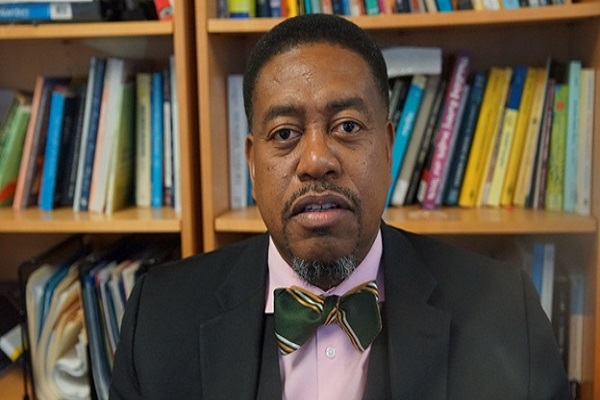
Dr. Terrence Richard Blackman, associate professor of mathematics and a founding member of the Undergraduate Program in Mathematics at Medgar Evers College, is a member of the Guyanese diaspora. He is a former Dr. Martin Luther King Jr. Visiting Professor at MIT and a Visitor to The School of Mathematics at The Institute for Advanced Study. Dr. Blackman has previously served as Chair of the Mathematics Department and Dean of the School of Science, Health, and Technology at Medgar Evers College, where he has worked for almost thirty years. He graduated from Queen’s College, Guyana, Brooklyn College, CUNY, and the City University of New York Graduate School. He is the Founder of the Guyana Business Journal & Magazine