Floyd Green Wants Minimum Fish Sizes. Good Idea, Late Idea, and the Fishers Must Not Be the Only Ones Who Pay for It
Agriculture minister Floyd Green says Jamaica will introduce minimum fish sizes to let stocks recover after Hurricane Melissa. The idea is sound, but enforcement and support for fishers will decide it.
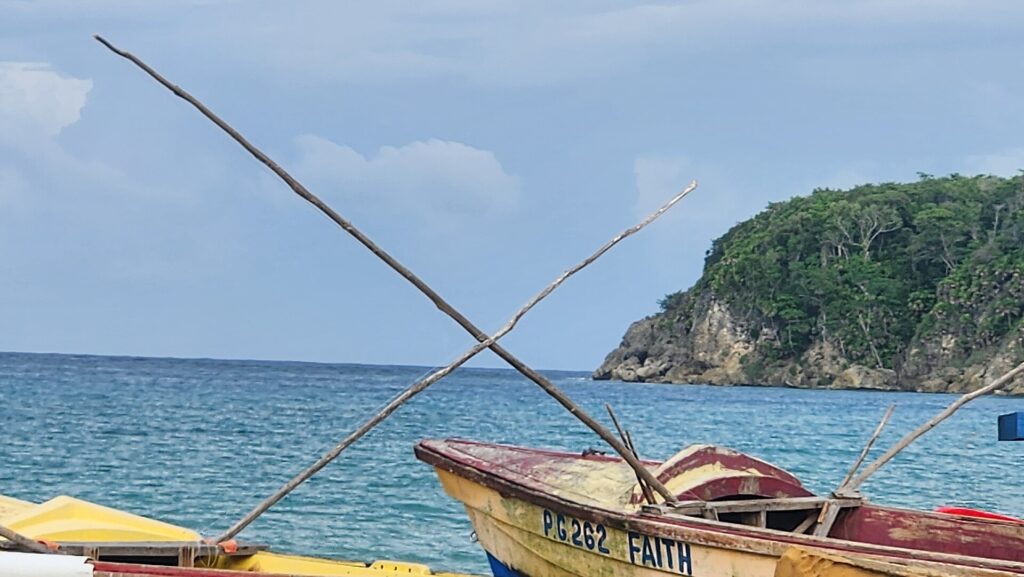
Jamaica has been eating its fish before they grow up for decades, and the agriculture minister has finally said so out loud. Floyd Green told the House of Representatives on 24 November that the government intends to introduce minimum sizes for commercially important species, so that fish can mature and breed before they end up on a plate.
It is the right call. It is also a call that should have been made long before Hurricane Melissa flattened the sector on 28 October 2025, and the way it is handled will decide whether it saves the fishery or simply squeezes the people who work it.
What The Minister Promised
Green framed the policy as part of a move towards “a more data-driven approach” to fisheries management. He said it would be guided by scientific research, stock assessments and consultations, and that the ministry would be engaging fishers and other stakeholders “over the coming months”. The goal, in his words, is to give fish “sufficient opportunity to mature and reproduce” so stocks can recover and productivity improves.
He made the statement while updating Parliament on the sector’s recovery from Melissa, which is fitting. A fishery hammered by a storm is exactly the kind of fishery that cannot afford to keep losing its breeding stock.
The Hard Part Is Not The Rule
Writing a minimum size into regulations is easy. Enforcing it at hundreds of landing sites, beaches and roadside stalls is not. Jamaica already has rules on the books for some species and seasons, and anyone who has bought fish at a beach knows how unevenly they are respected. A new rule without inspectors, measuring boards, market checks and penalties that actually bite is a press release, not a policy.
There is also the question of who carries the cost. Small-scale fishers, many of whom lost boats, engines and gear in Melissa, will be asked to throw back fish they could sell today in exchange for a better catch years from now. That trade makes sense for the country. For a fisher trying to repay a loan for a new outboard, it can mean going hungry this month. Green said fishers must be “part of the process”. That has to mean more than a consultation meeting. It means transition support, help with gear that catches fewer juveniles, and fair treatment at the market.
Who Should Answer
The ministry should publish the stock assessments it says will guide the policy, name the species first in line, and set a date. “Over the coming months” is how good intentions die quietly. Buyers, restaurants and hotels, who drive demand for small, cheap fish, should face the same scrutiny as the people pulling the nets.
Jamaica’s sea is not infinite. Green is right that the fish need time to grow. The government needs to show it has the will to enforce the rule and the decency to help the fishers who will feel it first.