IMO Shipping Rules Could Cost Caricom US$3.6 Billion: The Region Ships 0.12% of World Imports and May Pay 2% of the Bill
A Caricom Private Sector Organisation study says IMO net-zero shipping rules could add US$3.6 billion to the region's import costs from 2028 to 2035.
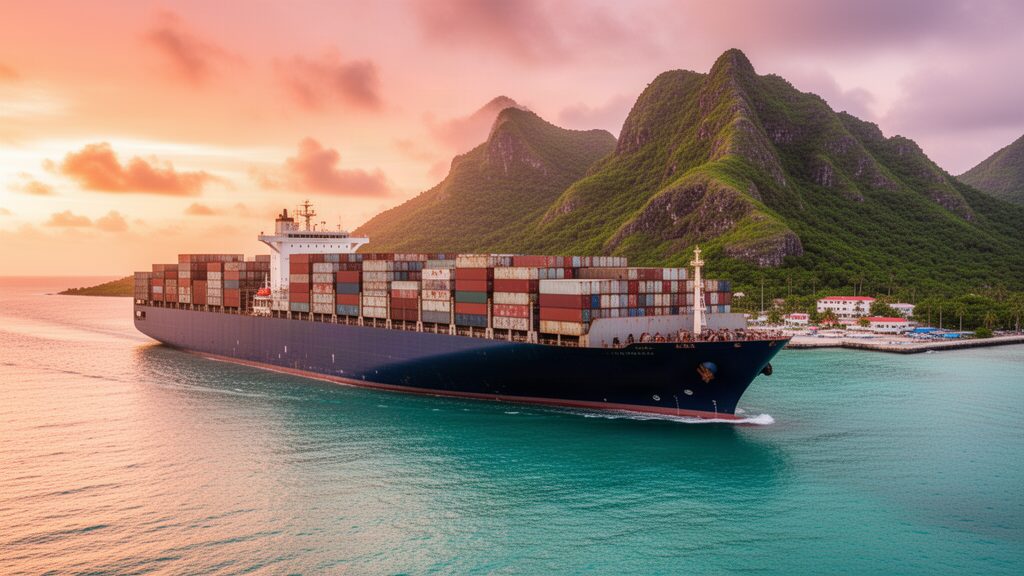
Caricom could be handed a US$3.6 billion freight bill for a climate problem it barely caused. That is the headline finding of a new study by the Caricom Private Sector Organisation on the International Maritime Organisation’s Net-Zero Framework, released days before the IMO’s environment committee meets in London on November 30.
The point is not that the Caribbean opposes clean shipping. It is that the rules, as written, charge the region in full now and leave the question of what comes back for later.
The Numbers
The study, the first to model the framework’s effect on each of 12 Caricom member states, estimates the extra shipping cost for imports between 2028 and 2035 at about US$3.6 billion under the framework approved in April 2025. Shipping costs into the region could rise 14 per cent by 2035, adding US$761 million in that year alone.
The landed cost of imported goods could rise by around 2.5 per cent before customs duties are applied on top, taxing the increase a second time. Real imports could be US$2.9 billion, or 9.5 per cent, lower in 2035 than otherwise. Food imports alone could fall by US$312 million. The seven tourism-dependent island economies could see real imports drop by 6.6 to 9.5 per cent.
Alternatives tabled for the meeting are no better. Japan’s proposal would cost about US$3.0 billion and Tuvalu’s US$4.8 billion. Preliminary figures for Brazil’s and Liberia’s proposals are lower, at about US$0.7 billion and US$0.5 billion, but neither guarantees any money returns to the region.
Why the Region Cannot Simply Switch Fuels
The ships that serve Caricom have no practical route to cleaner fuels before the mid-2030s. The region has no bunkering network for them, and its feeder vessels barely feature in shipyard order books. Nine global shipping associations said on November 18 that commercially viable alternative fuels are not currently available. So carriers will pay the charge and pass it on as a surcharge, as they have done with European Union carbon costs since 2024.
For the smallest islands on thinly served routes, the study warns, the bigger danger is that shipping lines cut services or leave altogether.
A Fair Fight to Pick
Here is the injustice in one comparison. Caricom accounts for 0.12 per cent of world imports, yet its payments in 2030 could equal about 2 per cent of the revenue expected for the IMO’s Net-Zero Fund. The rules on who receives money from that fund have not been written.
“There can be no IMO-NZF without safeguards for Caricom,” said Dr Patrick Antoine, the CPSO’s chief executive and technical director. He is right, and Caribbean governments should say it with one voice in London. Safeguards, exemptions for food and essential goods, or guaranteed returns from the fund must be written into the text before adoption, not promised afterwards.
The region has spent years telling the world that small islands pay for a crisis they did not create. This is that argument in its plainest form. If Caricom delegations cannot win it at the IMO this week, households will pay it at the supermarket from 2028.