BEL Is Praying for Cooler Weather to Cut Power Bills. Belizeans Were Promised a Plan, Not a Weather Forecast
BEL hopes cooler weather will ease demand and power costs, and wants the COPA to become a credit. But relief has no date, and the utility still wants a higher surcharge cap.
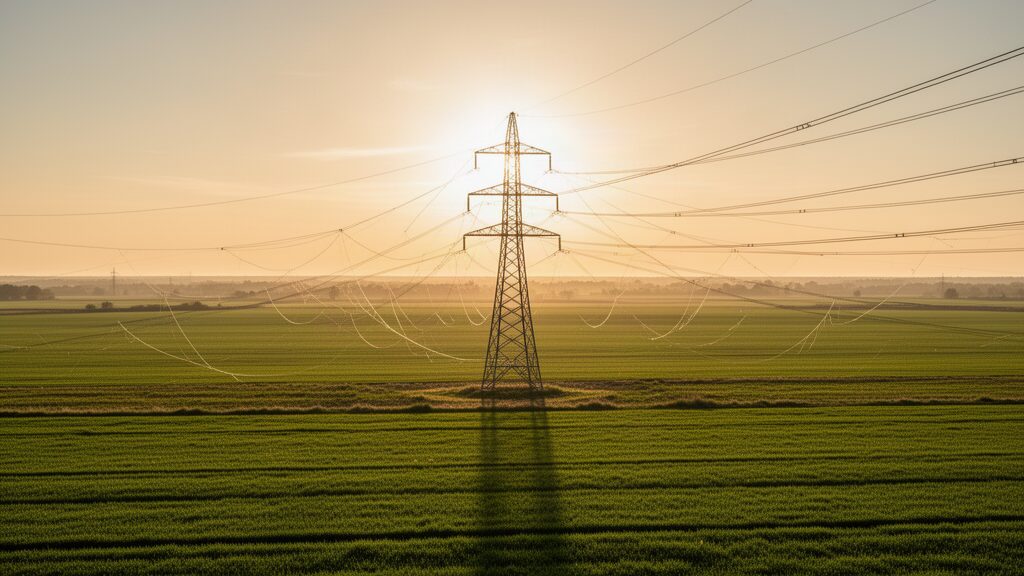
Belize Electricity Limited’s latest plan to bring down power bills depends partly on the thermometer. As temperatures fall, the utility hopes lower demand will reduce how much expensive power it has to generate. Belizeans paying the Cost of Power Adjustment every month deserve something firmer than a change of season.
BEL and the government have both blamed hot weather for higher bills in recent months, as air conditioners and fans worked harder through heat waves. Now BEL chairman Ambassador Lynn Young says the utility is trying to drive costs down far enough to turn the COPA into a credit.
How the Surcharge Works
BEL introduced the COPA in August under a Public Utilities Commission regulatory sandbox, to pass changes in the cost of power on to customers. It is capped at 5 per cent of the approved reference cost of power, about 1.51 Belize cents per kilowatt-hour each month. According to Mr Young, it has covered only part of BEL’s higher costs.
On October 28, BEL asked the PUC to double the ceiling to 10 per cent, about 3.01 cents per kilowatt-hour, citing nearly BZ$30 million in unrecovered power costs and saying it had sought the maximum adjustment for five months running. The public pushed back, and the government said it would look for ways to avoid raising the cap.
“If we get the cost of power down to say 20 to 25 cents, then the COPA would actually turn negative, and customers would see a reduction in their bills,” Mr Young said. BEL aims to cut generation costs by the end of 2027. He gave no date for when customers might pay less.
Why Costs Rose
Mr Young said generation costs climbed faster than expected because BEL leaned harder on diesel. A weak rainy season cut hydroelectric output, and Mexico’s Federal Electricity Commission curtailed supply to Belize. “In September alone, our cost of power was almost the same as what we collect from customers,” he said. Solar projects are expected to start next year.
Customers Are the Insurance Policy
Here is the problem. Every risk in that list, drought, Mexican supply cuts, diesel prices, was foreseeable. A small country that imports a big share of its electricity from one neighbour and leans on rain-fed hydro has a known exposure. The COPA effectively makes households the shock absorber for that exposure, while the timeline for relief stretches to the end of 2027 with no promise attached.
Some residents in San Pedro and Ambergris Caye already see the COPA as the real issue. They are right to. A surcharge introduced in a regulatory sandbox should come with strict conditions: published monthly cost data, a sunset date and a clear trigger for credits.
The PUC should refuse the 10 per cent ceiling unless BEL publishes exactly how the BZ$30 million built up and what it is doing to reduce diesel use before the next dry season. The solar projects need start dates and megawatt figures, not just a year.
Cooler weather is welcome. It is not an energy policy.