‘Where His Lungs Are’: A Chaguaramas Boat Victim Came Home Incomplete and Trinidad’s Forensic Centre Owes Six Families an Answer
The family of a teenager killed in the Chaguaramas boat collision says his lungs were missing when an independent pathologist examined the body. The Forensic Science Centre has questions to answer.
A grieving family should never have to open an email telling them part of their son is missing. That is where the relatives of 18-year-old Amiyr Ali now find themselves, and the institution that owes them an explanation, the Trinidad and Tobago Forensic Science Centre, has so far given none that has been made public.
Ali was one of six people who died after two pleasure craft collided off Chaguaramas on November 8. According to a statement issued for the family by attorney Anand Ramlogan SC, when an independent pathologist tried to carry out a second autopsy, both of the teenager’s lungs were not with the body. The family says nobody told them the organs had been removed.
An ‘undetermined’ death and a second opinion
The family went looking for a second opinion for a reason. Ramlogan says the State’s post-mortem did not establish a definitive cause of death, and that the death certificate recorded it as ‘undetermined’, even though relatives had seen for themselves the severe facial injuries Ali suffered in the impact.
They retained anatomic and forensic pathologist Dr Hughvon Des Vignes. In an email to the family he reportedly described the situation as ‘grossly irregular’ and indicative of ‘gross negligence’. His own certificate, dated November 19, records the cause of death as ‘multiple traumatic injuries’. But he has asked for the urgent return of the organs, because with a body recovered from the sea, the lungs are needed to complete the assessment.
That is the heart of it. Whether a young man died from his injuries or drowned after being thrown into the water is not a technicality. It is a question the family, and any future inquiry into the collision, is entitled to have answered properly.
The questions the Centre must answer
Ramlogan has asked whether the organs were stored separately, misplaced, mislabelled or released with another person’s remains, and whether they were deliberately withheld, concealed or destroyed. Those are his questions, not established facts, and the Centre may well have an innocent explanation. Retaining tissue for further testing is not unusual in forensic work. Doing it without telling the family, and without a paper trail anyone can produce on request, is another matter entirely.
He wants the organs located, secured and handed to Des Vignes under a documented chain of custody, and every record preserved: post-mortem reports, notes, photographs, specimen labels, storage and transfer logs, release forms, electronic audit trails and CCTV footage. He also wants a written update saying what has been found and who is responsible for finding the rest.
Six victims, one standard
The demand that matters most goes beyond one family. Ramlogan is calling for an independent investigation into the post-mortems and the release of the remains of all six victims, to establish whether procedures were followed, whether records were falsified and whether anyone improperly influenced the process. He says other families are now asking whether their relatives came home intact.
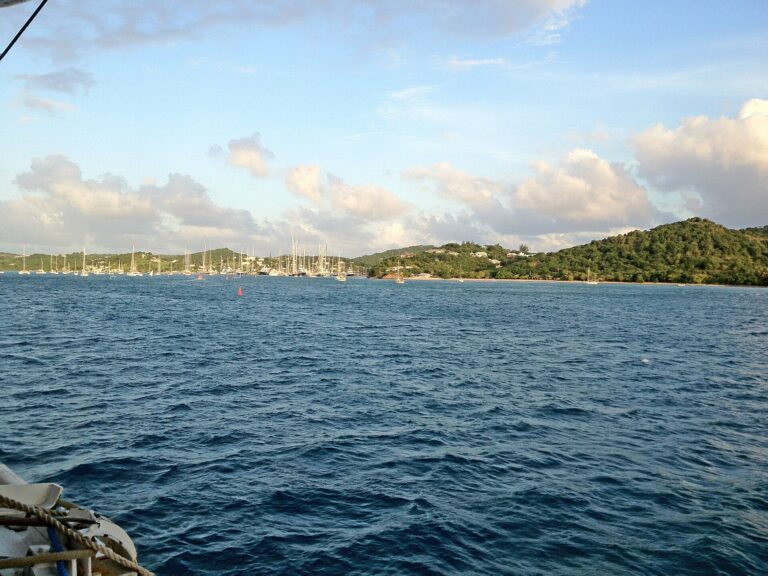
The collision happened around 6.30 p.m. near Point Cannings, when the 28-foot Bambaleo and the 29-foot Belbagai struck each other and the Belbagai sank. Twenty-six people were injured. The bodies were recovered over six days.
The Forensic Science Centre is the one State body whose entire value rests on the public believing its records. Silence does not protect that. A full, written, documented account does. As Ramlogan put it: ‘They should never have had to ask where his lungs are.’ The Minister responsible should make sure they do not have to ask twice.