Barbados Has 1,200 Minibuses and Just Over 600 Drivers. Importing Workers Will Not Fix What Drove Them Away
Barbados’ minibus owners are short of more than 200 drivers and are weighing overseas recruitment. Their own chairman says violence, drinking and racing have driven both passengers and workers away.
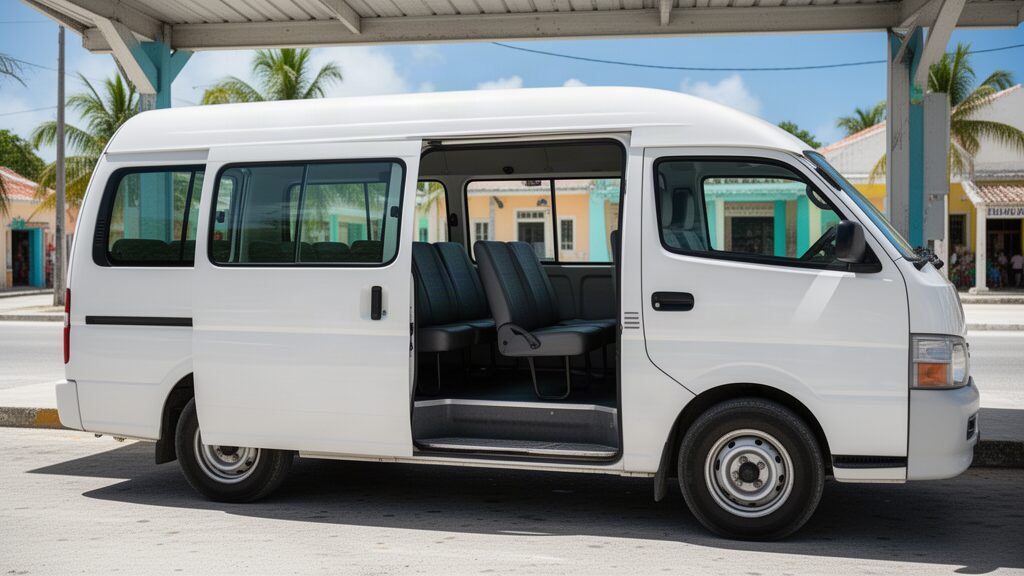
Barbados’ privately run buses are short of more than 200 drivers, and the men who own them are now talking about bringing workers in from overseas rather than asking why Barbadians no longer want the job.
Roy Raphael, chairman of the Alliance Owners of Public Transport, laid out the numbers himself. There are 1,200 public service vehicles and just over 600 drivers, with some vehicles on and off the road for various reasons. He wants at least 200 more people ‘just to fill the gap’. Recruitment abroad, he confirmed, has been examined. So has a training course with the Barbados Community College.
The stigma did not appear from nowhere
Mr Raphael blames stigma. ‘A lot of people have little interest in driving public service vehicles because of the stigma, which we are moving to change,’ he said. Years ago, he recalled, people drove at weekends to earn extra for their families. Not any more.
To his credit, he then explained where the stigma comes from. Passengers complain, he said, about ‘the dragging on the Speightstown route, the drinking by some of these guys’. Violence on the 3Y route between Bridgetown and Jackson has cut passenger numbers, because ‘people [are] refusing to catch some of these vans’. When an owner has to dismiss a driver ‘because he does nonsense’, there is nobody to replace him.
That is not a labour shortage. That is a reputation, earned on the road in front of paying customers, now collecting its debt. A sector that tolerated racing, drinking and fights for years is discovering that decent people do not want to be associated with it, either as passengers or as staff.
Longer hours, fewer riders
The consequences feed each other. With too few drivers, those who remain work longer hours. Tired drivers on crowded roads are a danger to everyone. Fewer riders mean less income, which makes the work less attractive still. Mr Raphael could not put a figure on the drop in passengers, which is itself a problem: an industry asking to be treated as ‘a national priority’ should know how many people it carries.
He is right that public transport deserves priority. Thousands of Barbadians without cars depend on these vans to reach work, school and clinics. But priority runs in both directions. Government support should come with conditions the travelling public can see: enforced conduct standards, real penalties for owners whose vehicles are repeatedly involved in disorder, and published data on complaints.
Fix the job before filling it
Importing drivers into a workplace with these habits solves nothing. Newcomers would inherit the same routes, the same pressures and the same culture, with less power to refuse.
The college course is the better idea, and Mr Raphael’s plan for a survey asking why people have lost interest is overdue. He may not enjoy the answers. They are likely to say that the pay arrives quickly, as he boasts, but the respect does not. Owners who want Barbadians back behind the wheel will have to offer a job a person can tell their neighbours about. That starts with the owners policing their own.