A Special Olympics Athlete Came to Montego Bay to Compete and Did Not Go Home. Jamaica Owes Rwanda the Full Story
A 24-year-old Rwandan athlete at the Special Olympics Beach Games in Montego Bay has died, believed drowned. Jamaica’s Sport Minister promises answers; they must be made public.
Pascal Mushimiyimana travelled from Karongi, in Rwanda’s Western Province, to Montego Bay to compete. He was 24. On Friday police confirmed he was dead, and the only explanation offered so far is that he is believed to have drowned.
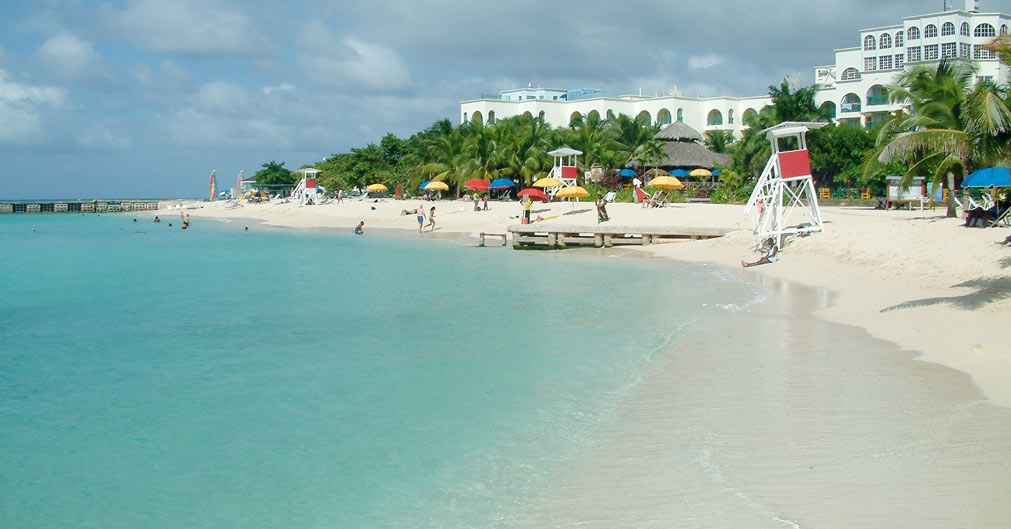
He was taking part in the 2026 Special Olympics Beach Games at Harmony Beach Park in St James, an event that has brought athletes from 19 countries to Jamaica. Preliminary reports say a missing person alert was raised for him earlier on Friday, police launched a search, and his body was later found. The circumstances of his death have not been disclosed.
What is known, and how little that is
That is the whole of the confirmed record: a name, an age, a home district, an alert, a search and a body. There is no public account of when he was last seen, where he was found, or how long passed between the alarm and the discovery. ‘Believed to have drowned’ is a preliminary view, not a finding, and nobody should treat it as one until a post-mortem says so.
It would be wrong, and unfair to the people who ran these Games, to assign blame on that thin a set of facts. It would be just as wrong to let the matter drift. When a country invites athletes with intellectual disabilities to compete at a beach venue, it accepts a heavier duty of care than for almost any other sporting event it could stage. Every delegation that sent a team trusted Jamaica with that duty.
Grange says the right things. Now do them in public
Sport Minister Olivia Grange responded quickly. ‘I am extremely saddened by this news and offer sincerest condolences to the family of the athlete involved,’ she said in a statement, adding that support was being arranged for athletes, coaches and everyone affected.
The more important line came next. Grange said she was ‘trying to ascertain the circumstances which led to this incident’ and would schedule a meeting with the organisers ‘as soon as possible’. Good. But a meeting is where questions start, not where they end, and the answers cannot stay inside a ministry boardroom.
The questions are not complicated. What supervision arrangements were in place for athletes outside competition hours? What water safety cover did the venue have, and at what times? When exactly was the alarm raised, and by whom? Those answers belong first to a family in Rwanda and then to the 19 delegations who are still here.
Reputation is the least of it
Jamaica likes to sell itself as a host: of games, of conferences, of the world. Hosting is a promise that visitors will be looked after, and it is tested on the worst day, not the best. A young man who came here to race on a beach is dead, and his family is thousands of miles away waiting for somebody official to tell them how.
The Minister has promised to find out. The police have a duty to establish the facts. Both should commit now to publishing what they learn, plainly and soon. Anything less would be a second failure laid on top of a tragedy.