Beach Access Turns Into a Race Row: The UPP Says Gaston Browne Changed the Subject. It Has a Point
The UPP accuses Gaston Browne of using race to divert the beach access debate. The real question is who controls the roads to the sea.
Antigua and Barbuda was having a useful argument about who gets to reach the sea. Then, according to the Opposition, the Prime Minister made it about race. The United Progressive Party says Gaston Browne’s recent radio remarks about non-Black nationals, and the Facebook posts that followed, risk dividing the country and pulling attention away from the real question of public beach access.
On the substance, the UPP is right that the debate has been knocked off course, and the Government should want it back on track.
How the Row Started
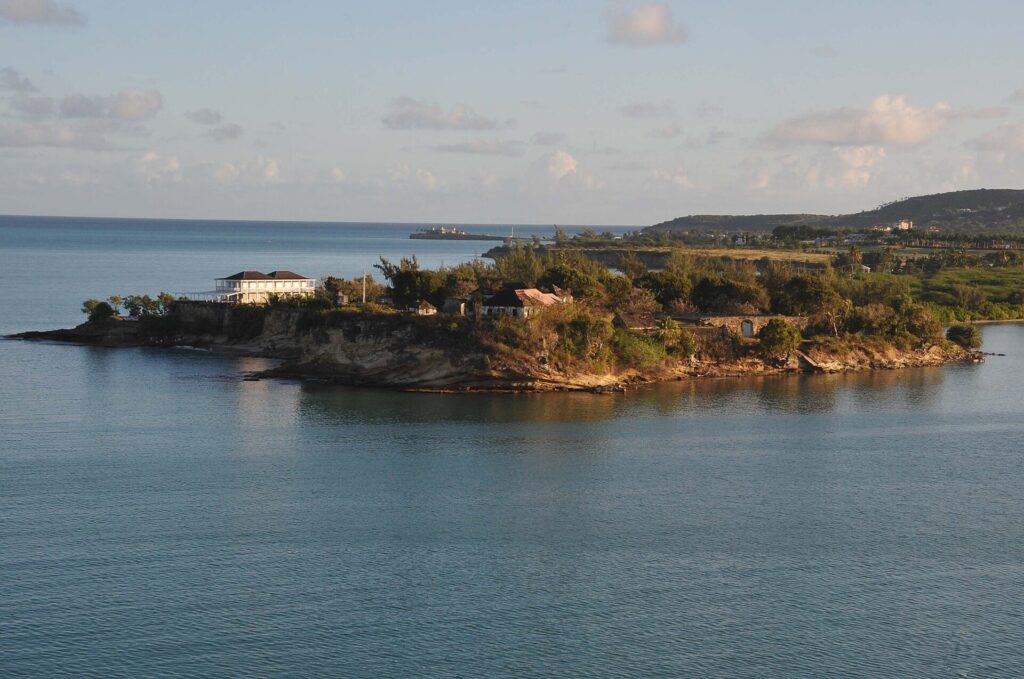
The beach access debate intensified after Browne disclosed on the Browne and Browne Show that his government had turned down a proposed Royal Caribbean development at Fort James, saying the company wanted exclusivity and that the government insisted the public must keep access to the beach. That was a decision he chose to frame as a defence of ordinary Antiguans.
In a statement, the UPP called his subsequent remarks and posts “offensive and divisive”. It pointed to the words “for all” in the slogan for the country’s 45th Independence anniversary and urged citizens and residents not to let disagreements over national policy feed racial hostility.
What the Opposition Actually Wants
The UPP’s own demand is narrower and more practical than the row it has joined. It says public access must include reasonable vehicular passage, so residents can keep using beaches for recreation and the health benefits they have enjoyed for generations. “Access to our beaches must never become a favour or a privilege granted by any minister or investor,” political leader Jamale Pringle said.
That sentence is the heart of the matter, and it applies to every government, including any future UPP one. Antigua’s beaches are public by law, but the routes to them are increasingly controlled by developers, gated projects and ministerial discretion. A right that depends on who owns the land behind the sand is not much of a right.
Race Is the Wrong Battlefield
There is a real conversation to be had about who owns Antigua’s coastline and who benefits from its development. Framing it around the race of individual nationals is the wrong way to have it. It turns a policy question about access roads, planning conditions and enforcement into a contest over identity, and it leaves Antiguans who are not Black, but who are citizens, feeling like guests in their own country.
It also lets every government off the hook. If the problem is cast as particular people, nobody has to answer for which access routes have been closed, which planning approvals allowed it, and what the Development Control Authority has done about it.
Browne has positioned himself as the man who said no to $100 million to protect a beach. If he means it, he has an easy way to prove it: publish a register of every public beach access point, mark the ones that are blocked, and set a deadline to reopen them. That would do more for beach access, and for national unity, than any radio segment about who belongs.