Six Dead, Three Weeks On, and Still No Rules: The Chaguaramas Boat Probe Is ‘Three-Quarters’ Done While Jet Skis Crash Into Mangroves
Police are close to finishing their investigation into the 8 November collision that killed six. The bigger failure, a lack of rules for pleasure craft, has not moved at all.
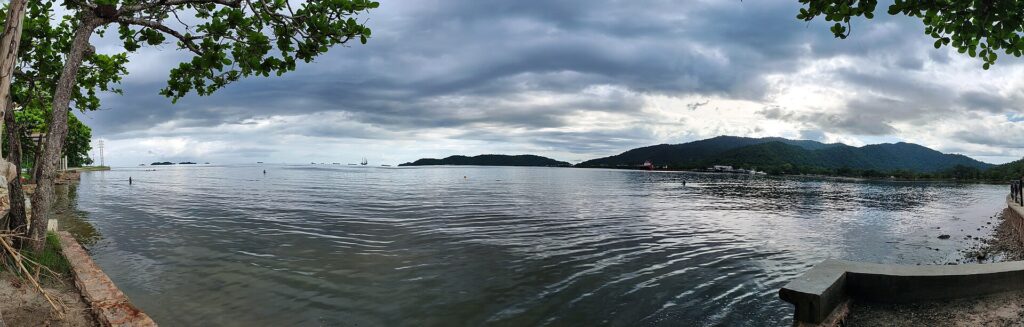
Six people died when two pleasure craft collided off Cannings Point on the evening of 8 November, and three weeks later the waters of Chaguaramas are quieter, but not safer. The police investigation is, in the words of Deputy Commissioner Junior Benjamin, going “full speed ahead”. Nothing else is.
Benjamin told reporters this weekend that investigators have interviewed several people and gathered evidence, and that the inquiry is nearly three-quarters complete. A report will go up the chain to the commissioner, then through a legal review to decide whether it meets the threshold to send to the Director of Public Prosecutions. Investigators have already sought the DPP’s advice. He would not give a completion date.
A Community Still in Shock
Everyone else in the boats on 8 November was pulled from the water, some to hospital. It took six days to recover all six bodies. Funerals for five of the victims took place last week, and the last will be held this week.
Along the waterfront the effect is visible. James Bovell, who runs a bar at the Coral Cove jetty and works in the boating trade, estimates activity has dropped by at least half. On a normal Saturday the car park would be full. Passengers, he says, now ask for life jackets before they board, and think harder about who they go out with. That is a grim measure of what it took to change behaviour.
The Real Failure Is on Land
The police inquiry matters. Families deserve to know what happened and whether anyone should answer in court, and no one should be presumed responsible before investigators and the DPP have done their work. But a criminal file, however thorough, cannot fix the gap this tragedy exposed: Trinidad and Tobago’s pleasure-craft waters are run on goodwill and luck.
Bovell backs stronger regulation, including training for people in charge of these craft. He saw two people on jet skis crash into mangroves at Scotland Bay just last Thursday, weeks after six people died a short distance away. A Canadian resident who gave his name only as Andrew put it more bleakly. “My experience on the water locally is it’s chaos,” he said, adding that rules may not matter much “until people wake up”.
He is half right. Culture matters. But culture follows rules that are enforced. Drivers wear seatbelts partly because police stop those who don’t. There is no reason a person in charge of a powerful boat full of passengers at night should face less scrutiny than a person behind the wheel of a car.
What the Government Should Do Before the Next Long Weekend
The Government does not need to wait for the police report to act on the obvious. It can set out a timetable for licensing operators of pleasure craft, require life jackets for every passenger on board, set night-time speed limits in the busy channels around Chaguaramas, and give the coast guard and marine authorities the resources to patrol them. The Christmas season is coming, and with it the busiest weeks on the water.
Six families have already paid the price of a system that left safety to chance. The next long weekend should not be another test of whether anyone has learnt from it.