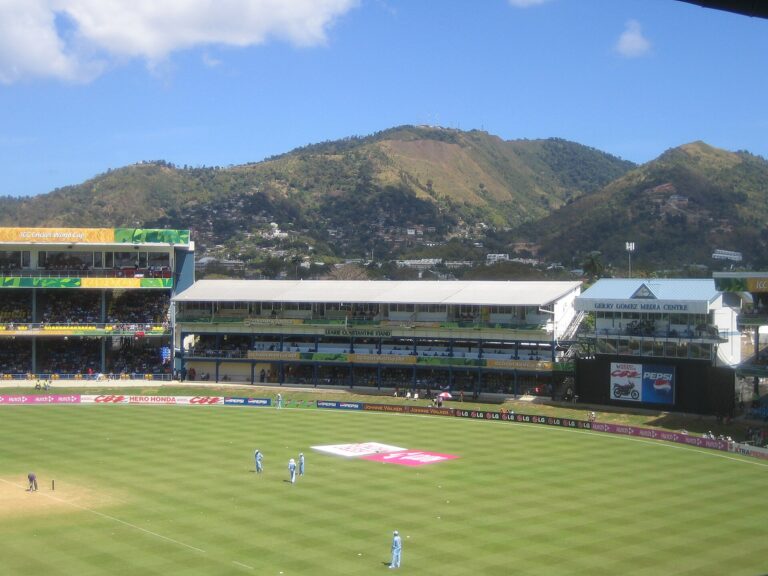
Queen’s Park Cricket Club Beats a $3.1M Lawsuit From Its Former CEO. The Judgment Is a Lesson in Reading Your Contract
The High Court has thrown out a former Queen's Park Cricket Club CEO's $3.1 million claim. The club won on the contract, but the saga raises questions about how it is run.

Queen’s Park Cricket Club has won its case, and the man who sued it has a $109,000 costs bill. But anyone who thinks this judgment is a clean bill of health for how Trinidad’s grandest sporting club handles its senior staff should read it again.
On Friday, High Court Judge Joan Charles delivered a 21-page ruling rejecting breach of contract and wrongful termination claims by Allan Clayton, the club’s former chief executive. Clayton was hired in August 2018 to run the club’s operations and was terminated by the management committee on 26 May 2020, on the grounds of redundancy. He sought three months’ salary as severance plus $3,161,000, the pay and benefits he said he would have earned had he stayed until 65.
Why the Club Won
The case turned on paper, not personalities. Clayton argued that in early 2020 his job was hollowed out when the club handed some of his functions to existing sub-committees, and that this amounted to constructive dismissal. The judge disagreed. His contract made him answerable to the management committee, which was expressly empowered to set and vary his duties. “There was no provision that he be consulted before any changes were effected,” she said.
On the dismissal itself, the contract allowed either side to end it on three months’ notice. The club, represented by Vivek Lakhan-Joseph and Raphael Morton-Gittens, said it acted because of the financial strain of the Covid-19 pandemic, and that it offered the three months’ pay several times before Clayton eventually accepted it. The judge found the club was entitled to use that clause, and noted there was no suggestion of fault or misconduct by Clayton.
She also took issue with his evidence, observing that he admitted to finding jobs and consultancies after leaving only when pressed under cross-examination. That would have mattered to any compensation award.
The Part the Club Should Not Celebrate
The most interesting witness was not Clayton. It was Ken Gordon, the former club president under whom Clayton was hired, who testified against the club. Gordon said the move to terminate Clayton came after he and several key committee members resigned, and that the chief executive’s job was not superfluous at all.
The club’s reply was that it never filled the post again, even after its finances recovered. That is a legally neat answer. It is also an admission that a century-old institution, home of Test cricket in Port of Spain, decided it could be run without a professional chief executive at all, and switched leadership models in the middle of a boardroom split.
The Wider Lesson
For executives across Caribbean sport, the message is blunt: a three-month notice clause means exactly what it says, and “they took away my duties” will not beat a contract that lets the board decide your duties. For clubs, the lesson is different. Winning in court is not the same as governing well. Queen’s Park has its judgment. Its members are entitled to ask who now runs the place day to day, and whether the 2020 upheaval left it stronger or merely cheaper.