Environmental Crime Network Launched in Georgetown: The Caribbean Finally Admits Its Gold, Fish and Forests Are Being Stolen by Organised Gangs
CARICOM's new environmental crime network, launched in Georgetown, targets illegal mining, fishing and waste dumping. It will be judged on convictions, not communiqués.
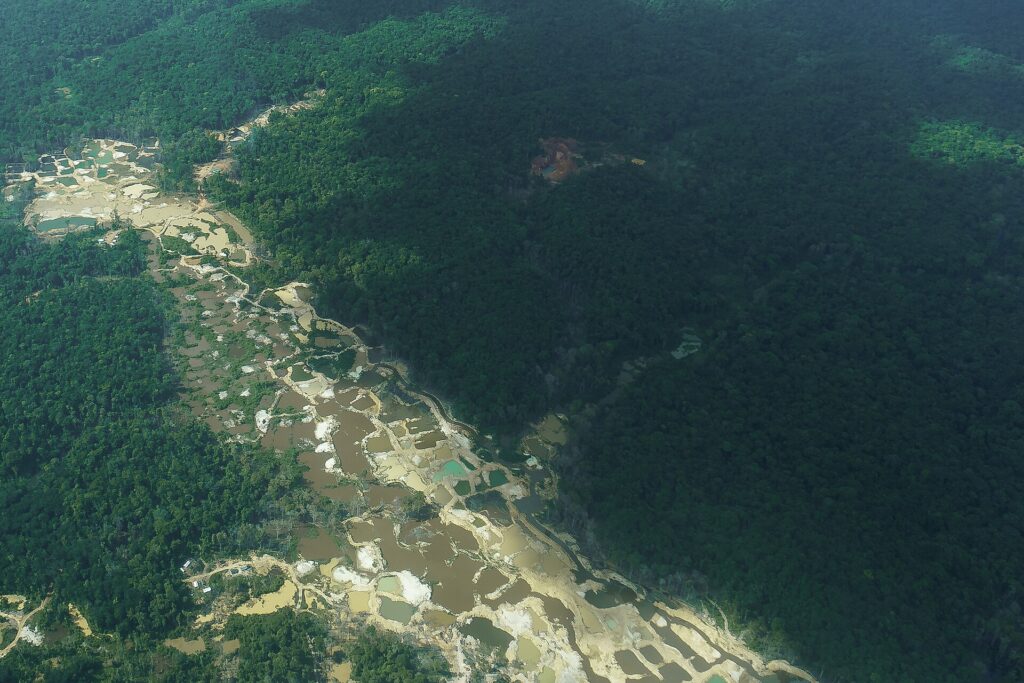
The new Caribbean environmental crime network is the region’s admission, years late, that the people dredging its rivers for gold, stripping its reefs and dumping toxic waste on its shores are not careless farmers but organised criminals running a business. Formally inaugurated at a two-day General Assembly in Georgetown on 25 and 26 November, the Caribbean Network of Environmental Enforcement Agencies is meant to make police, customs officers, prosecutors and regulators across the region act as one when the criminals cross borders. That is the right idea. Whether it becomes more than a letterhead depends entirely on governments that have so far starved their own environmental enforcers of money and staff.
What We Know So Far
The network is led by CARICOM’s Implementation Agency for Crime and Security, IMPACS, in partnership with the European Union’s EL PACCTO 2.0 programme against transnational organised crime. Its stated targets are illegal fishing, illicit gold and sand mining, wildlife and timber trafficking and hazardous waste dumping. IMPACS warns that syndicates are using the Caribbean Basin as a source and transit corridor for stolen natural resources, and as a hub for laundering the proceeds.
Delegates in Georgetown were due to settle the network’s governance structure, adopt guiding principles and confirm IMPACS as its executive secretariat. The assembly follows consultations in Port of Spain in June 2026, where member states agreed in principle to set the body up.
Guyana’s Home Affairs Minister Oneidge Walrond put it bluntly at the opening: “We are no longer simply dealing with environmental violations. We are confronting organised crime.” She said the aim must be to dismantle the criminal structures behind the operations, not just interrupt them.
Who Gains, and Who Has Been Losing
For years, the losers have been obvious: fishing communities watching foreign trawlers empty their waters, hinterland villages living downstream of illegal mercury-laced gold workings, beaches carted away by illegal sand miners for construction sites. The winners have been just as obvious, if rarely named: middlemen, financiers and the officials who look away. IMPACS’s own description of ports, coastlines and transshipment points as vulnerabilities is a polite way of saying that criminals have found the gaps between 15 jurisdictions and are driving trucks through them.
IMPACS Assistant Director of Projects Nadine Bushell said no single country or agency could tackle this alone. European Union representative Anjanie Ramdass made the same point from the other side: criminal networks exploit differences in national laws and enforcement gaps. She cited the Guyana Shield operation and Operation DeepSea as proof that joint work can disrupt them.
Environmental Crime Network Needs Teeth, Not Speeches
CARICOM’s crime and security programme manager, Sherwin Toyne-Stephenson, rightly said environmental crime touches development, public health, food security and governance. But every one of those words has been spoken at Caribbean conferences before. The test of this network is simple and measurable: joint operations mounted, cargoes seized, cases taken to court and assets confiscated. If, a year from now, governments cannot point to convictions of financiers rather than arrests of labourers, this will have been another well-catered assembly.
There is also an uncomfortable question about money. The network is being built with European support. Caribbean governments that are serious should be funding their own enforcement agencies properly, giving prosecutors specialist training and making environmental offences carry penalties that actually hurt. Otherwise the gangs will simply treat the fines as a cost of doing business.
The region has finally named the problem correctly. Now it has to prove it is willing to pay to fight it.