Sloth Island and 93 More: Guyana Has Built 94 New Tourism Experiences Since 2020. Now It Needs the Visitors, Roads and Prices to Match
Guyana has introduced 94 new tourism experiences since 2020, including seven in Bartica. The real measure is visitors and community earnings, not launches.
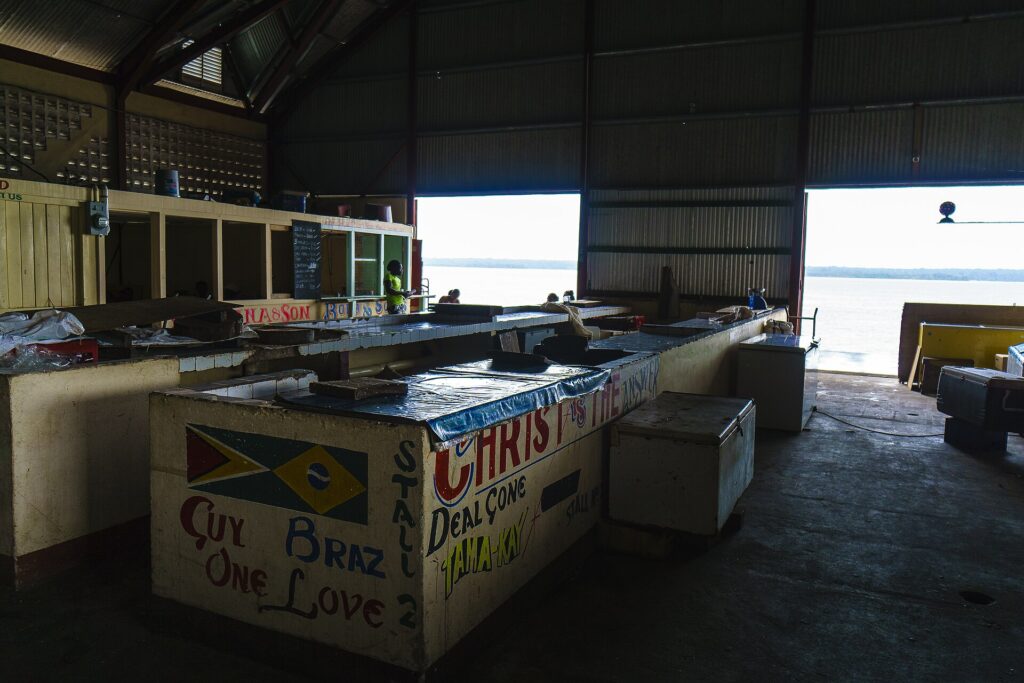
Guyana now has 94 more things for a tourist to do than it did in 2020, and Bartica has just added seven of them, but a list of products is not a tourism industry. The Guyana Tourism Authority says the new experiences, from the Sloth Island Wildlife Tour to the Dogg Point Indigenous Experience, are creating jobs and small businesses in communities that have had little else. That is worth celebrating. It is also worth asking the harder question the government’s announcements keep skipping: how many visitors are actually buying these tours, and how much of the money stays in the villages that host them?
What Has Been Launched
The Authority says the 94 experiences were developed with operators and communities to be market-ready. This year’s additions include an African Roots Tour, a Faiths of Guyana Tour, the Back to Basics Kayak Adventure and the Kwakwani Escape. The latest seven are in Bartica, Region Seven, including the Sloth Island Wildlife Tour, the Rivers View Hike and the Dogg Point Indigenous Experience, which the Authority says positions the town as an emerging destination.
More than 69 communities have received help from the Authority since 2020 to launch tourism products, according to the government. A new Hospitality and Tourism Institute is expected to be able to train more than 700 people. The stated aim is longer stays and higher spending, flowing to guesthouses, boat operators, artisans and cooks along the way.
The Bartica Test
Bartica is a good place to test whether the strategy works. Sitting where the Essequibo, Mazaruni and Cuyuni rivers meet, it has scenery that most Caribbean destinations would envy and a history as the gateway to the gold and diamond fields. What it has lacked is a steady flow of leisure visitors willing to pay for more than a day trip.
Seven new tours do not change that on their own. Visitors need reliable, affordable boat and road links from Georgetown, accommodation they can book online and trust, clean water and decent health services if something goes wrong. They also need to know the tours exist. Too many Caribbean tourism launches end with a ribbon, a press release and an operator waiting by a jetty for customers who never come.
Count the Visitors, Not the Products
The government should publish the numbers that matter: how many people took each of these tours last year, what they paid, and how much income went to the community operators rather than to Georgetown-based agents. If the Kwakwani Escape or Sloth Island is drawing visitors, say so and show it. If some of the 94 have quietly folded, say that too, so the money and training go where demand really is.
Indigenous and rural communities are being asked to invest their time, land and culture in this. They deserve a tourism policy measured by bookings and earnings, not by how many new products can be listed at a launch. Guyana has the forests, rivers and wildlife to compete with anyone in the region. The next step is proving that people will come, and that when they do, the people of Bartica and beyond are the ones who get paid.