MV Barima Inquiry Hears There Was No Written Cargo Limit, No Load Line Check and Vehicles Left Unstrapped. That Is a System, Not an Accident
The MV Barima inquiry heard there was no written cargo limit and no load line check on sailing day. The failure runs deeper than one crew.
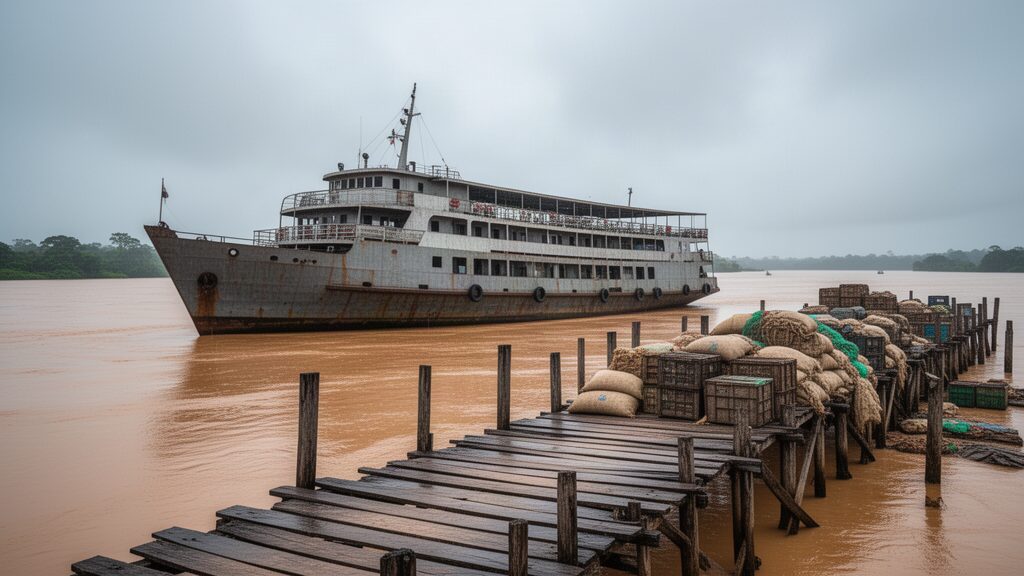
The MV Barima inquiry heard on Thursday that the state ferry service carried no written rule on how much cargo the vessel could take, and that the person who rose through 15 years as its goods superintendent did not check the load line on the day it sailed. If the Commission of Inquiry needed a single sentence to explain how a government vessel came to be at the centre of a tragedy, Assistant Traffic Superintendent Michelle Reid may have supplied it. Her evidence did not describe one bad decision. It described a department that ran on habit, guesswork and pressure from the wharf.
What We Know So Far
Reid, a 33-year employee of the Transport and Harbours Department, told the five-member commission at the Arthur Chung Conference Centre that when she reached the wharf on 18 July the hatch was already closed, yet cargo was still being taken aboard. In a report she sent to Traffic Manager Stephan Skekel on 20 July, which she read into the record, she said Captain Kevin Price was accepting the goods and directing where they should go. The gangways had been removed, so she could not board to inspect.
She said she asked the captain why bags were stacked along the sides of the upper deck, which is reserved for passengers. His answer, as she recalled it, was that he needed weight at the back of the vessel and that the bags were fertiliser that could not go in the hatch. Someone also remarked that potatoes had been put on the passenger deck. She did not see how much cargo was there. She named Goods Superintendent Dellon Granderson as the officer in charge of cargo that day.
When she went back aboard at about 2.30pm, Reid said the vessel “looked normal” and she moved around freely. The commission pointed out that many other witnesses have described the Barima as severely overloaded. She saw a car, a pickup and an ATV parked across the hatch, and did not see any vehicle strapped down.
MV Barima Inquiry Exposes Rules That Did Not Exist
The most damning testimony was not about that one day. Reid told the commission there is no written policy on the Barima’s cargo capacity. Staff work from a rough guide of about 1,500 cases of beer and malt and another 1,500 of water and juice, taking less when cement, steel or sheeting is on board. She said she did not look for the load line that day because the tide was so low she could not have seen it anyway.
She also said it is common to let non-passengers help with loading, and that passengers have lately been allowed to board while freight is still going on, something she said she would not permit. And she described the desperation on sailing days: people crying, begging, saying they were going to a funeral or that their mother was sick, and trying to offer staff money to get space.
Who Should Answer
Individual officers will have their conduct examined, and nobody should be prejudged before the commission reports. But the bigger failure is institutional. A state ferry serving the North West, where the boat is a lifeline and demand far outstrips space, was left to operate without written loading limits and with a culture in which the people on the wharf could be leaned on. That is the responsibility of the department’s management and of the ministers who oversee it.
Retired Trinidad and Tobago Rear Admiral Hayden Pritchard and his fellow commissioners should push this point hard. The families of the Barima’s passengers deserve more than a scapegoat. They deserve written rules, enforced checks and a second vessel so that desperate people are not forced to bargain their way on board.