A Second Jet Fuel Supplier at Timehri Is Good News. Now Guyana Must Prove Competition Will Cut Fares, Not Just Fill Speeches
Sol Guyana has launched a US$10 million jet fuel operation at Timehri, giving airlines a second supplier. The test is whether fares and local jobs follow.
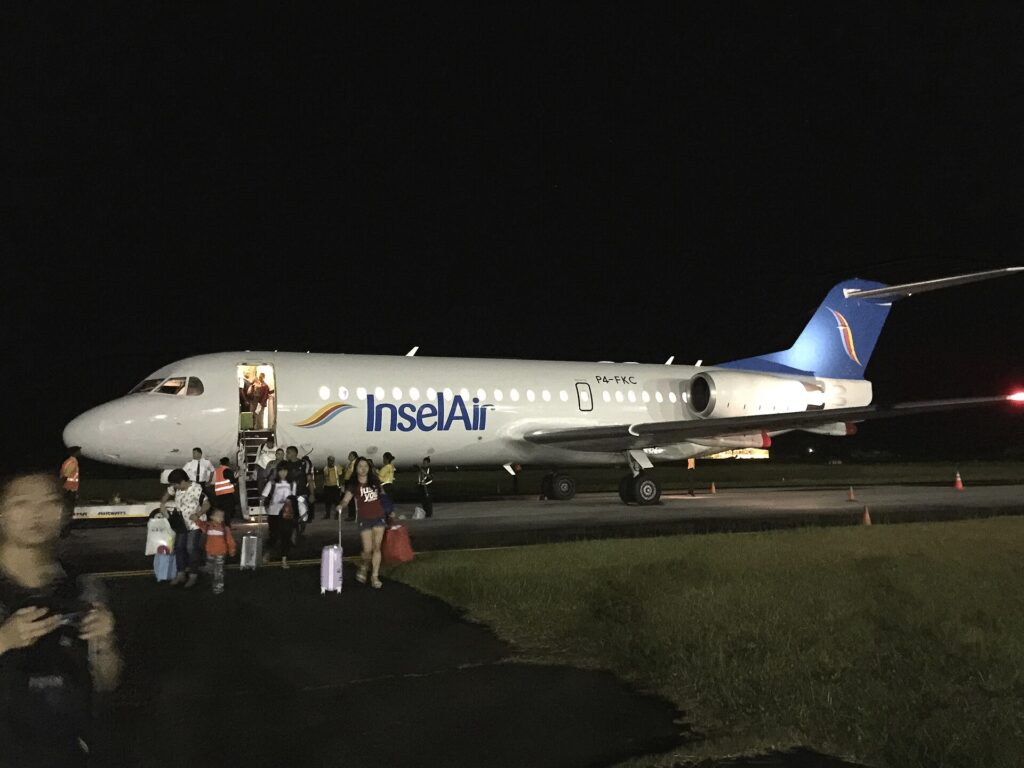
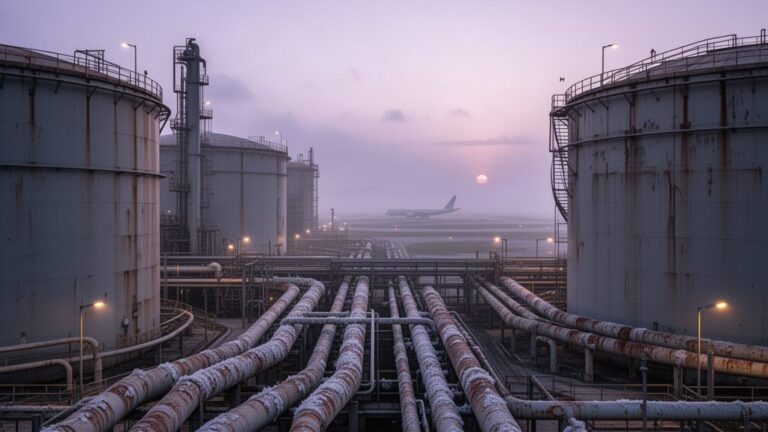
Guyana has spent years telling airlines it wants more of them, and only now has it put a second fuel supplier on the apron at Cheddi Jagan International Airport. Sol Guyana Inc., part of the Sunoco group, has launched Jet A1 aviation fuel operations at Timehri on an investment of more than US$10 million. Prime Minister Mark Phillips, performing the functions of President, called it a vote of confidence and said competition would give airlines a basis for comparing prices and service. He is right. The question is why a country with this much oil money waited so long, and who will make sure the savings reach passengers.
Why Fuel Matters More Than Ribbon-Cuttings
Fuel is one of the biggest costs an airline weighs when deciding whether a route is worth flying. A single supplier at a single international airport gives carriers little room to bargain and little assurance if supply falters. Phillips put it plainly: an additional supplier introduces competition, encourages better performance and strengthens Guyana’s hand when it talks to airlines about new routes or extra frequencies.
He said Guyana added five new air routes in 2025 and is chasing more, including a proposed direct service to Cayenne under its renewed agreement with France. A new arrivals terminal at CJIA is targeted for completion in 2028. Airlines, he said, must be able to count on the services they need between landing and take-off.
All of that is sensible. But Guyanese travellers have heard about growing connectivity for years while paying some of the region’s steeper fares. Competition at the fuel bowser only helps them if it is followed by competition on the routes. The Civil Aviation Authority and the airport corporation should publish what happens to fuel prices at Timehri over the next year, so the public can see whether the promised benefit is real.
Jobs, Contracts and Safety
Phillips made three demands of Sol that deserve to be held against the company. He asked it to set out clearly the qualifications young Guyanese need to enter the field and the training they will receive, and said he wanted to see people who start at the facility rise to supervisory jobs and train others. He asked it to give local firms advance notice of contracts they can bid for and the standards they must meet. And on fuel safety he said staff must have the authority to raise concerns and the support to see them dealt with, even when a flight is running late.
That last point is not a courtesy. Aviation fuelling is unforgiving of shortcuts, and a culture in which a junior worker can stop a refuelling without fear is worth more than any investment figure. The government should require Sol to report on local hiring and promotion, not merely hope for it.
The Domestic Gap
The Prime Minister also noted that bids for about 34 airstrip projects are being evaluated by the Ministry of Public Utilities and Aviation. For hinterland communities, a reliable domestic flight is the difference between reaching a hospital and not. International routes make headlines; interior airstrips save lives and keep small businesses alive. The award of those contracts, and the speed of the work, will say more about the government’s aviation priorities than any launch at Timehri.
Sol’s arrival is a genuine step forward. Guyana should now insist that the benefits show up where it counts: on ticket prices, in Guyanese pay packets and on the airstrips of the interior.