Scrap Iron Export Ban: The UNC Fought a Six-Month Ban in 2022. Now It Has Imposed a Permanent One
Trinidad and Tobago's permanent ban on scrap metal exports starts December 31. The UNC opposed a far shorter ban in 2022, and dealers say the real thieves are being missed.
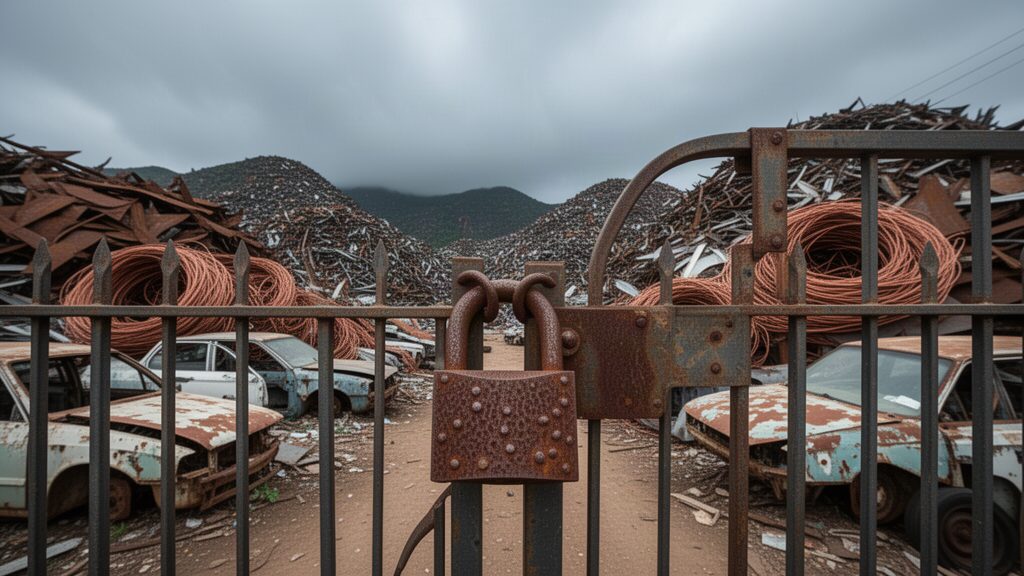
The scrap iron export ban that takes effect on December 31 is a permanent version of the very policy the United National Congress denounced four years ago, and the people it hits hardest are the ones who were told, back then, that the party was on their side. Prime Minister Kamla Persad-Bissessar has decided to shut down the export of scrap iron, copper and brass outright, and the industry is preparing to take its anger onto the highway next Wednesday.
The government’s case is serious. Thefts of cables, manhole covers, water valves and other public infrastructure have disrupted services at the Water and Sewerage Authority and the electricity commission. Someone is stripping the country, and that someone is selling the metal. But a total ban is the bluntest tool available, and it punishes every legitimate dealer and collector for crimes the state has failed to solve.
What We Know So Far
The ban covers scrap iron, copper and brass exports from the end of December and is described as permanent. The Prime Minister has also called on dealers to return stolen materials in good faith before she considers meeting industry representatives. The Scrap Iron Dealers Association met stakeholders in Chaguanas and announced a motorcade from the Brian Lara Cricket Academy through Grand Bazaar and the Centre of Excellence to the Brian Lara Promenade in Port of Spain.
Workers say scrapyards have already stopped buying, cutting off their daily income weeks before the deadline. They want at least a one-year extension so dealers can sell stock already sitting in their yards. Neither Public Utilities Minister Barry Padarath nor the Prime Minister responded to requests for comment on their claims.
The 2022 Problem
The awkward part for the government is the record. In August 2022, when the PNM imposed a six-month ban after a wave of theft and vandalism, Roodal Moonilal, then in opposition, argued that a ban was not the answer, that legitimate dealers should not be punished for criminals, and that stopping theft was the job of the police. Those arguments were right then. They have not become wrong because the UNC now holds the ministries.
One dealer with more than 30 years in the trade said he had invested a couple of hundred thousand dollars and felt totally betrayed. Another put it simply: the PNM banned it for six months, and this government wants it banned indefinitely. Whatever one thinks of the industry, that contrast is fair, and the government has not explained it.
Follow the Metal, Not the Collectors
The most useful point came from the collectors themselves. Workers at a San Fernando landfill argued that removing industrial valves, compressors and large utility installations takes technical skill, specialised equipment and access to restricted premises. One claimed the bigger items are being taken by employees of private companies and government workers. That is an allegation, not a finding, but it is exactly the line of inquiry the police should be pursuing. A ban stops a pensioner selling a rusted fridge. It does nothing to catch an insider with keys to a substation.
Workers have offered practical alternatives: bring back registration of scrap vehicles and a fee to enter the trade, and place officials at scrapyards to inspect what comes through the gate. Separate the illegal buying from the legitimate buying, as one put it. That is a regulatory system, and it is harder work than a ban. It is also the right answer.
Telling people to return stolen goods they say they never stole before the Prime Minister will even meet them is not policy. It is a public scolding. The government should postpone the deadline, license and inspect the trade properly, and turn its investigators on the people who actually have access to the infrastructure being stripped. Punishing thousands for the work of a few is easy. Catching the few is the job.