Belize Opens a US$20 Million Sugar Refinery to Supply 75% of Caricom. Cane Farmers Must Share in the Value It Adds
The US$20 million Caribbean Sugar Refinery opened in Belize's Valley of Peace, built by Santander Sugar Group and Sucro to supply at least 75 per cent of Caricom's refined white sugar.
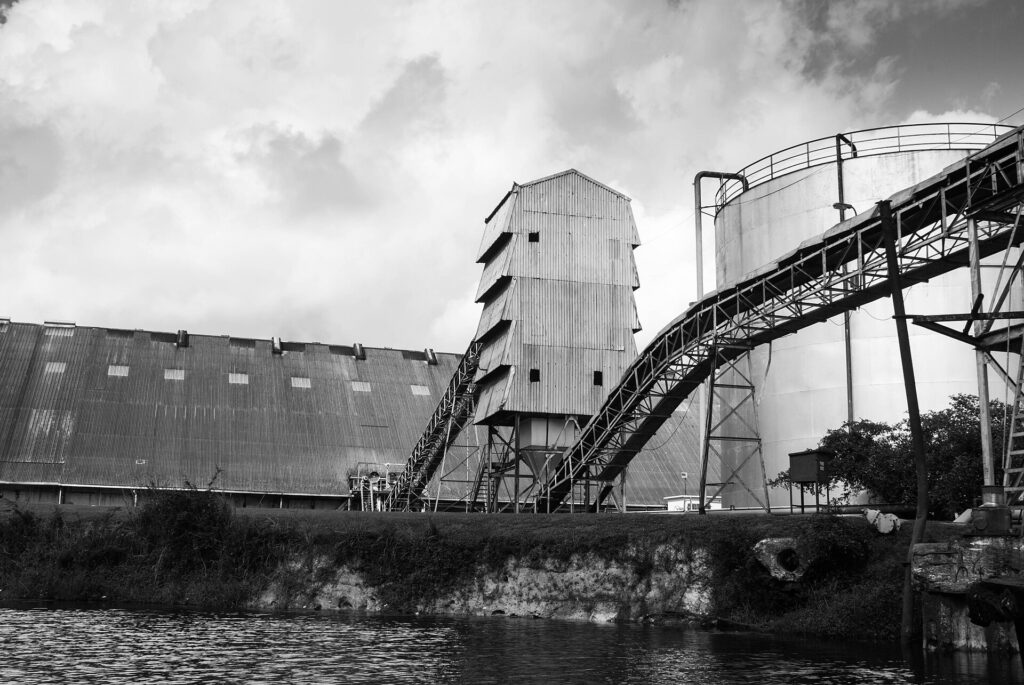
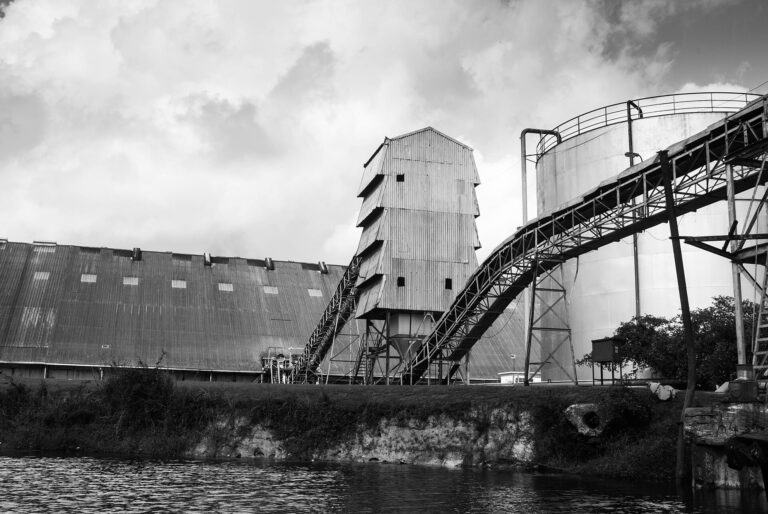
For generations Belize has grown cane, made raw sugar and shipped it away for someone else to refine and profit from. As of last weekend, that is starting to change. The Caribbean Sugar Refinery, built in the Valley of Peace, officially opened on Saturday, November 21, and its owners say it can meet at least 75 per cent of Caricom’s demand for refined white sugar.
The Deal
The US$20 million plant is a joint venture between Santander Sugar Group and Sucro Limited. It will refine raw sugar from Santander’s operations in Cayo and from ASR/BSI in the north, and Sucro’s distribution network will deliver beverage-grade white sugar to regional manufacturers. Direct shipping routes to island markets are meant to give soft-drink makers, bakers and food processors a steadier, more secure supply than imports from outside the region.
Prime Minister John Briceño put it simply: ‘Value-added production creates value-added opportunities.’ Economic Transformation Minister Osmond Martinez, who handles sugar, said Belize must stop exporting raw commodities and capture more value from its own resources.
Why It Matters Regionally
This is one of the more meaningful pieces of Caricom food-security talk turned into steel and concrete. The region imports large amounts of refined sugar from outside the Caribbean while producing raw sugar of its own. A Belizean refinery feeding Caribbean bottlers keeps money circulating inside the bloc and reduces exposure to shipping shocks.
It also tests whether Caricom’s preference rules actually protect regional producers. If manufacturers in Trinidad, Jamaica or Barbados can still buy cheaper refined sugar from outside, the refinery will need tariff protection and political will to survive.
Who Gains
The obvious winners are the two companies that built the plant. The question Belize’s government should be pressing is how the extra value reaches the cane farmers of the north and west, whose prices have been squeezed for years and who carry the weather risk.
Neither the prime minister nor the minister spelled that out at the opening. No figures were given for jobs created, for the price premium on refined versus raw sugar, or for how cane payments might change. Those are the numbers that will decide whether this is a national success or simply a good investment for its owners.
Belize deserves credit for getting the refinery built. Now Briceño and Martinez should make sure the phrase ‘value-added’ means something in a cane cutter’s pay packet, not just a corporate balance sheet.