Maloney Could Cost the Treasury Up to $600 Million, and Kamla Is Daring the PNM to Sue
A senior counsel says a successful constitutional challenge over the Maloney lockdown could expose the state to $300 million to $600 million in damages. The Prime Minister is daring the PNM to sue.
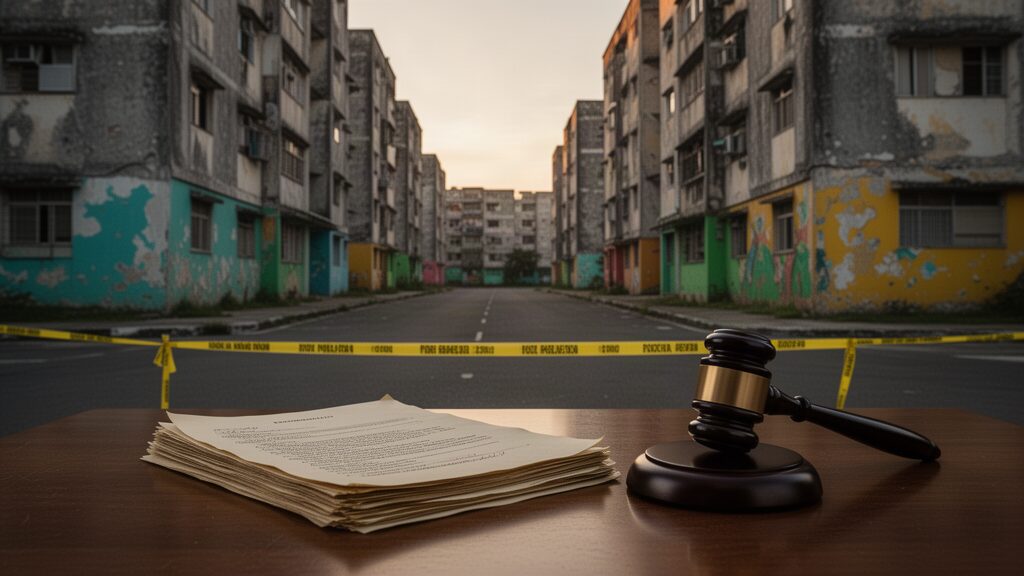
Two weeks of closing off Maloney under the Special Operations Act may end up as the most expensive police operation in Trinidad and Tobago’s recent history, and the Prime Minister’s response has been to goad her opponents into court rather than explain what the public got for its money.
Senior Counsel Larry Lalla, a temporary opposition senator, set out the arithmetic this week. If the legislation is struck down as unconstitutional, he argued, every resident of Maloney would be entitled to vindicatory damages for the breach of their rights, and current awards run from $25,000 to $50,000 a person. Trincity/Maloney MP Camille Robinson-Regis puts the population of Maloney Gardens at around 12,000. Multiply it out and the theoretical exposure lands between $300 million and $600 million. Whether anyone is owed anything, and how much, is for the courts. But the scale of the risk is not imaginary.
Meet You in Court
Kamla Persad-Bissessar has chosen confrontation. On Tuesday she urged the PNM and everyone else who had sent pre-action protocol letters to keep going. “The Government wants to meet you in court. Don’t back out,” she said. Opposition Leader Pennelope Beckles replied that the party will press on, file its action and write to the Attorney General setting out its claim, and urged residents not to be “threatened and bullied” after the Prime Minister warned that law enforcement could return to the community.
Bravado is cheap for the person who is not paying. If the state loses, the bill falls on taxpayers, not on the Prime Minister’s political career. Lalla made that point himself: even those with no sympathy for Maloney residents should worry about damages coming out of the Treasury in hard times. A government confident of its legal ground would publish the advice it relied on. It has not. Lalla asked whether the decision to lift the restrictions followed advice from the King’s Counsel recently retained from the United Kingdom. That question deserves a straight answer.
What Did Two Weeks Buy?
The results, as Lalla summarised them, were 600 apartments searched, 12 outstanding warrants executed and six illegal firearms recovered. Six guns off the street matter. But there was no mention of arrests specifically tied to gang activity or kidnappings, and no recovery of explosives. When the state locks down a whole community and searches hundreds of homes, the public is entitled to ask whether the outcome justified the means. On these figures it is hard to see how it did.
Race Is Not a Defence
Instead of a defence on the merits, the Prime Minister has offered division. In a statement she said it was the PNM that should apologise to Maloney’s children for, as she put it, defending violent gangs, and she accused PNM supporters in the community of racism and hate, using a slur against herself to make the point. She also claimed 73.7 per cent of murder victims are of African descent and said her administration had suppressed crime in marginal constituencies within 18 months. PNM chairman Marvin Gonzales hit back that she was the one spewing racially charged rhetoric and then playing the victim.
This is a dangerous way to govern. Maloney residents are citizens with constitutional rights, not props in a tribal argument. If the operation was lawful and effective, the government can show it with evidence, legal advice and outcomes. If it was not, no amount of racial point-scoring will stop a court ordering the state to pay.
The government should publish the legal advice behind the Special Operations Act, the full cost of the operation including the British lawyers, and a complete account of arrests and charges. Daring the opposition to sue is not a crime plan. It is a gamble with public money.