‘Dem Gone’: Maloney Is Under Curfew for Gunmen Residents Say Left Long Ago
Residents of Maloney Gardens say the gunmen who triggered Trinidad’s first Special Operations Act lockdown have fled, while a 9 pm curfew wrecks livelihoods and police patrol without body cameras.
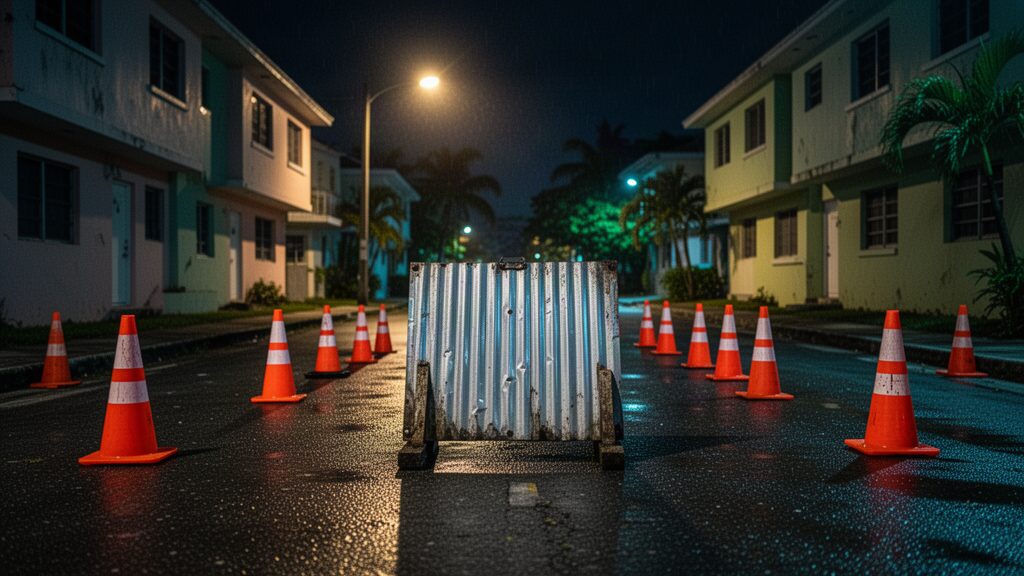
The State has locked down Maloney Gardens to catch gunmen who, according to the people living under the curfew, were never residents and are no longer there.
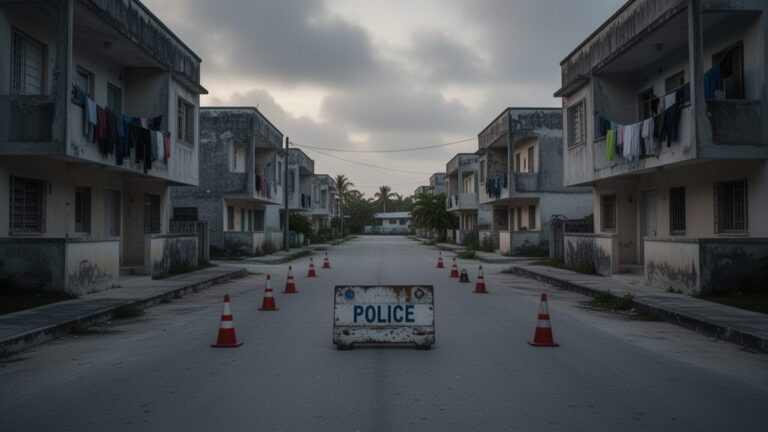
That is the charge from inside the first community in Trinidad and Tobago to be declared a closed area under the Special Operations Act. Since a shooting on November 9, police and soldiers have controlled who enters and leaves, and a curfew runs every night from 9 pm to 5 am. One resident, speaking on condition she not be named, said the shooters had fled. ‘Dem gone in their respective homes or wherever, and it’s the law-abiding citizens who pay taxes that they’re ill-treating,’ she said. Other residents said the same.
Who is actually paying
Her complaint is not about soldiers on the corner. It is about the hours. ‘Nine to five, even if it was twelve to five or twelve to six, we could understand that. But nine o’clock in the night, that’s crazy,’ she said, describing a curfew that is ‘destroying the livelihood of many’. Anyone who works a late shift, sells food at night or drives for a living understands the point at once.
The authorities say the operation is needed to prevent more violence. In a release last week the police said four suspects in the shooting had been held and five other people arrested on outstanding warrants. Asked this week for updated figures on arrests and charges, the Police Service had not answered by the time the reporting was published. A community under military control is entitled to that number every day, without having to ask.
The guns in the fig patch
On Tuesday police said they had found five guns hidden in a fig patch, intended for a retaliatory attack. Residents dispute that account twice over. They claim to have footage of men in clothing resembling Defence Force uniforms placing the weapons the night before, and they say the spot is not in Maloney at all but in neighbouring D’Abadie. Neither claim has been proven, and the Police Service had not responded to it.
These are serious allegations and they cut both ways. If residents have footage, they should hand it to a lawyer and a court. If the police have nothing to hide, the fastest way to show it is to publish what their own cameras recorded. Except that, by the account of officers posted there, they have none. Police assigned to Maloney said they were given no body cameras, were not properly briefed, and are left to ‘use their discretion’ about who gets in without a pass, after standing up to six hours at checkpoints.
So the Government has imposed its most intrusive power on a housing development and sent officers to enforce it without the one tool that would settle arguments about their conduct. That is not toughness. It is carelessness.
A falling murder rate is not a blank cheque
The Prime Minister this week welcomed police figures showing murders down 46.2 per cent, from 550 between January 1 and November 16 last year to 296 in the same period this year. That is a real achievement, and it weakens rather than strengthens the case for open-ended lockdowns. A government winning on crime can afford to show its working.
The State is meanwhile paying a British King’s Counsel to defend the Act against a constitutional challenge. Maloney’s residents have noticed. Give them the arrest figures, an end date and cameras on every officer. If the operation is working, the evidence will say so.