Bukele’s Troops in Haiti: 2,500 Soldiers, Cheering Crowds and Nobody Keeping Count of the Dead
El Salvador’s deployment to Haiti has grown from a 100-man rescue mission to about 2,500 troops operating largely outside UN monitoring, as Haitian forces launch a deadly push into Martissant.
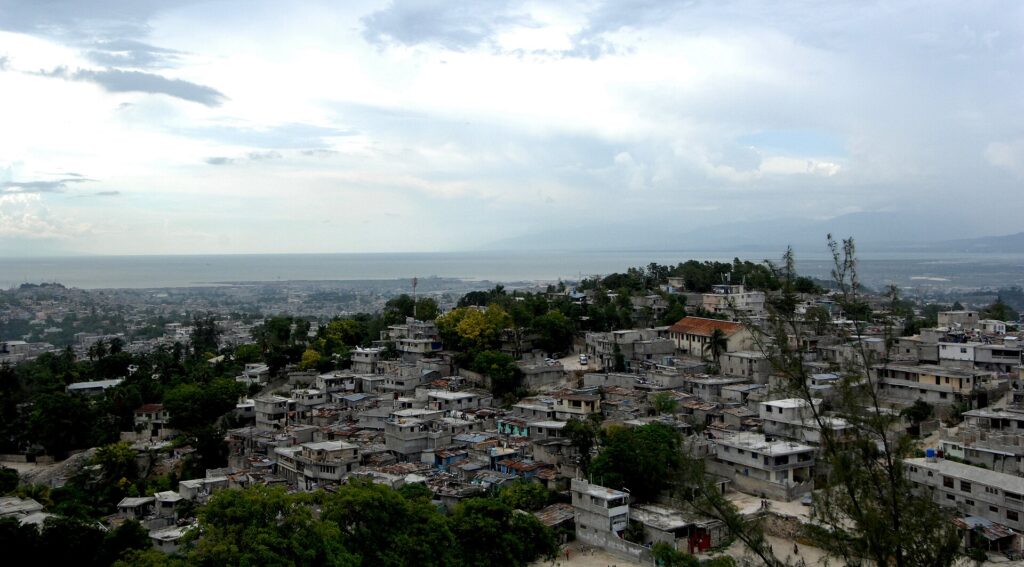
Bukele’s troops in Haiti were sent to find four missing technicians. A month later there are about 2,500 of them, they are attacking gang leaders’ homes from the air, and most answer to no international body at all.
The Caribbean should look hard at what is happening in its most populous member state, because the region failed to prevent it and has no say over how it ends.
What we know so far
On October 18, four Salvadoran aviation technicians working with the United Nations-backed Gang Suppression Force went missing after armed men attacked their vehicle near Port-au-Prince. President Nayib Bukele responded by sending 100 special forces soldiers on a rescue mission. The deployment has since grown to roughly 2,500. According to UN spokesperson Stephane Dujarric, most of them operate outside the UN-backed force and outside the monitoring mechanisms of the UN support office.
Salvadoran forces have struck the residences of two powerful gang leaders, known as Jeff and Lanmò San Jou. Neither was killed. Bukele has promoted the campaign heavily on social media, posting footage of helicopter attacks and of Haitian rallies in his honour.
Separately, on Thursday Haiti’s army and police began an operation to retake Martissant, the corridor on Route 2 linking the capital to the south and west, in what is reported as the first major attempt in five years to dislodge the gangs there. The National Police said at least 34 suspected gang members were killed in clashes involving officers and a task force that includes personnel from Vectus Global, the private security firm founded by Erik Prince. Local media reported heavy gunfire and explosive drones as armoured vehicles moved in.
Why Haitians are cheering
Thousands marched in Port-au-Prince this week chanting support for a foreign president. Nobody should sneer at that. Gangs are reported to control more than 80 per cent of the capital region. Nearly 1.5 million people are displaced, and more than 22,000 have been killed in gang-related violence, including security operations, since 2022. In Martissant, gangs have charged tolls and fired on vehicles since 2021, choking the movement of goods and aid.
‘The support we see from many Haitians comes from sheer desperation after years of failure and widespread terror,’ said Louimann Maceus, who heads a Haitian human rights organisation. ‘People are exhausted.’ When every institution has failed you, the man with helicopters looks like deliverance.
Bukele’s troops in Haiti and the accountability gap
That is exactly why the questions matter. A rescue mission has become an open-ended offensive without any public mandate setting its limits. Security experts have raised concerns about unilateral operations and about civilian casualties linked to explosive drones. Bukele’s record at home is a sharp fall in crime achieved through a crackdown widely condemned for human rights abuses. Neither the Haitian nor the Salvadoran government has explained what rules the soldiers follow, who investigates when the wrong house is hit, or when they leave.
Add private contractors to the mix and the picture is of a country whose security has been subcontracted to whoever turns up armed. Thirty-four people described as suspected gang members died in one day in Martissant. Suspected by whom, and on what evidence, is not a pedantic question in a city where the poor live beside the gunmen.
Haiti’s history of foreign intervention is long and bitter. If this one is to end differently, it needs a mandate, a timetable and independent monitors, and Caribbean governments should be demanding all three. Applause is not oversight, and desperation is not consent.