Teteron Barracks: The State of Emergency Ended in September. The Military Prison Did Not
Two months after Trinidad's state of emergency ended, remand prisoners are still held at Teteron Barracks, families have no contact and the Prisons Commissioner has missed a court deadline.
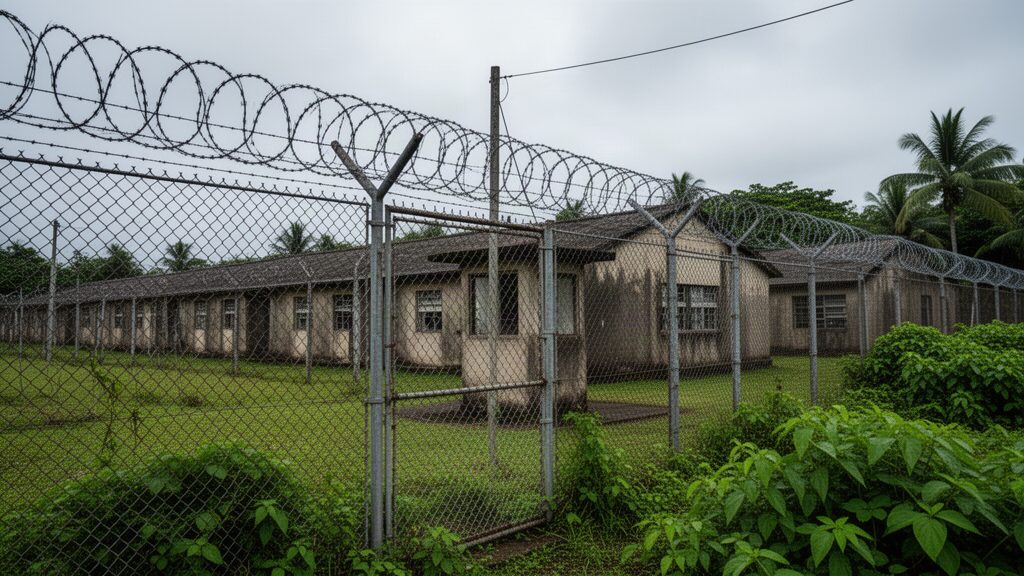
Trinidad and Tobago’s last state of emergency ended on September 17. More than two months later, men awaiting trial are still being held at Teteron Barracks, a military base designated as a prison with no end date, and their families say they cannot reach them. Emergency powers are supposed to expire. This arrangement has quietly outlived the emergency that was used to justify it, and the State is struggling even to defend it in court.
How the men got there
The transfers from the Maximum Security Prison began in July 2025, when the Government cited intelligence about planned attacks on judges, police officers and other officials. One of those moved, on July 18, 2025, was Earl Richards, who is awaiting trial over the 2014 murder of Senior Counsel Dana Seetahal. According to information given to reporters, he remains at Teteron. Another is Nefta Felix, also a murder accused, who is on remand under a criminal court order.
Both men have gone to the High Court. On September 30, Justice Nadia Kangaloo refused to strike out Felix’s habeas corpus case, which will test whether the authorities have lawful power to hold him specifically at Teteron. Richards is challenging his own placement. No court has yet ruled the transfers or the visiting conditions unlawful.
A State that missed its own deadline
What is already on record is not flattering. The Prisons Commissioner missed a High Court deadline to defend Richards’ transfer, with the Commissioner’s lawyer blaming leadership changes and staff shortages. Homeland Security Minister Roger Alexander has had to deny that he ordered a murder accused to be kept hooded, with a bag over his head, at the base. Questions about how many prisoners remain at the two Chaguaramas facilities, whether the restrictions have been reviewed, and how families can visit, call or write have gone unanswered.
Defence attorney Criston J Williams says some of his clients with live cases are still at Teteron, with prison officials relying on the Commissioner’s power to transfer prisoners. ‘That decision has been called into question in the courts,’ he said. He draws a sharp line between remand prisoners and people held purely under emergency powers, who he says may now sue the State.
The cost of silence
The families describe the human result. Richards’ wife says she has not spoken directly to her husband in more than a year. She is asked to put money into a prison canteen without being told whether it arrives. His father died recently; she does not know if the message reached him. She says he has diabetes and she cannot find out whether his needs are met. ‘If it’s a prison, give them the rights to see their family,’ she said. In February, the wives of Richards and another accused said they had gone six months without contact.
None of this requires sympathy for anyone’s alleged crimes. Men on remand are legally innocent, and the point of a justice system is that the State does not get to decide punishment before a verdict. If the security threat that prompted the transfers is still real, the Government should say so, explain the legal basis, and put in place a published regime for visits, letters and medical care that a judge can review. If the threat has passed, the men belong in a regular prison.
What the State cannot do is keep remand prisoners in a military camp on emergency logic after the emergency has ended, miss court deadlines, and refuse to say how many people are there. That is not security policy. It is government by inertia, and the courts are right to keep asking who authorised it.