Barrick and Freeport Are Hunting Gold and Copper in Clarendon. Jamaica Needs Its Royalty Terms Written Before Anyone Strikes It Rich
Barrick and Freeport-McMoRan are exploring for gold and copper in Jamaica, including at Pennants in Clarendon. The country should fix royalties and clean-up rules now.
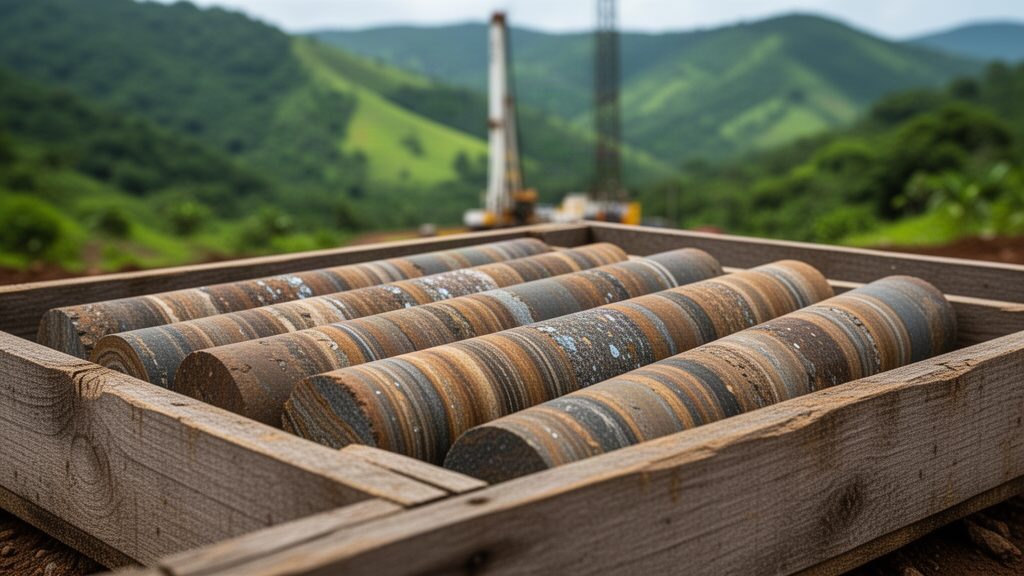
Gold mining in Jamaica is back on the table, and this time the names involved are among the biggest in the business. That should excite the country and worry it in equal measure.
Dr Oral Rainford, principal director of the Minerals Policy Planning and Development Branch at the Ministry of Mining and Geology, says Jamaica’s metallic minerals sector holds significant prospects for commercial gold and copper discoveries. He calls it the most underdeveloped part of the country’s minerals industry, and says the companies now exploring are among the largest in the world.
Who Is Digging, and Where
Barrick Mining Corporation, which runs Pueblo Viejo in the Dominican Republic, the largest gold mine in the Western Hemisphere, is exploring in Jamaica. So is copper giant Freeport-McMoRan, in partnership with C3 Metals, a Jamaica-based but Canadian-owned company.
Barrick and C3 Metals are working an area at Pennants in Clarendon, where Jamaica ran a small but rich gold mine between 1998 and 2004. According to Dr Rainford, the earlier operator stepped back after taking surface and near-surface deposits, but significant potential remains underground. The Barrick team, he said, is fairly confident of finding something commercially valuable, reasoning from the similarity between Jamaican geology and what it mines next door in the Dominican Republic.
He spoke during Metallics Day, part of National Minerals Week from November 15 to 20, themed ‘Minerals: Society’s Foundation and Future’.
The Bauxite Lesson
Jamaica has done this before with bauxite, and the country knows how that story often went: foreign companies, holes in the hills, communities left with red dust, and a public that struggled to see what it got in return. Gold and copper can be more lucrative and more destructive. Open-pit metal mining uses chemicals that can poison water for generations if handled badly.
Dr Rainford says the ministry will be present from start to finish: issuing exploration licences, overseeing mining and requiring that land be rehabilitated to a set standard for farming or development afterwards. That is the right promise. The question is whether the rules have the teeth to back it up.
What Should Be Settled Now
The moment to set royalty rates, environmental bonds and community benefit agreements is before a discovery, not after. Once a company announces a find, its bargaining power soars and the government’s shrinks. Jamaicans should be told now what share of any gold the State will take, how much money a mining company must lodge up front to pay for clean-up, and what Clarendon residents near Pennants will be guaranteed in jobs and water protection.
None of that was spelled out in the ministry’s upbeat message. The exploration is welcome. Big firms bring capital and expertise the country does not have. But optimism is not a policy, and a mining week full of speeches is not a contract. Parliament should demand to see the fiscal and environmental terms before the drills hit anything worth celebrating.