108 New Belizeans, Zero Guatemalans: Kareem Musa Uses a Citizenship Ceremony to Remind Guatemala That Its Claim Has a Price
Belize granted citizenship to 108 people, mostly from El Salvador and Honduras, as Immigration Minister Kareem Musa restated the constitutional bar on Guatemalan nationals.
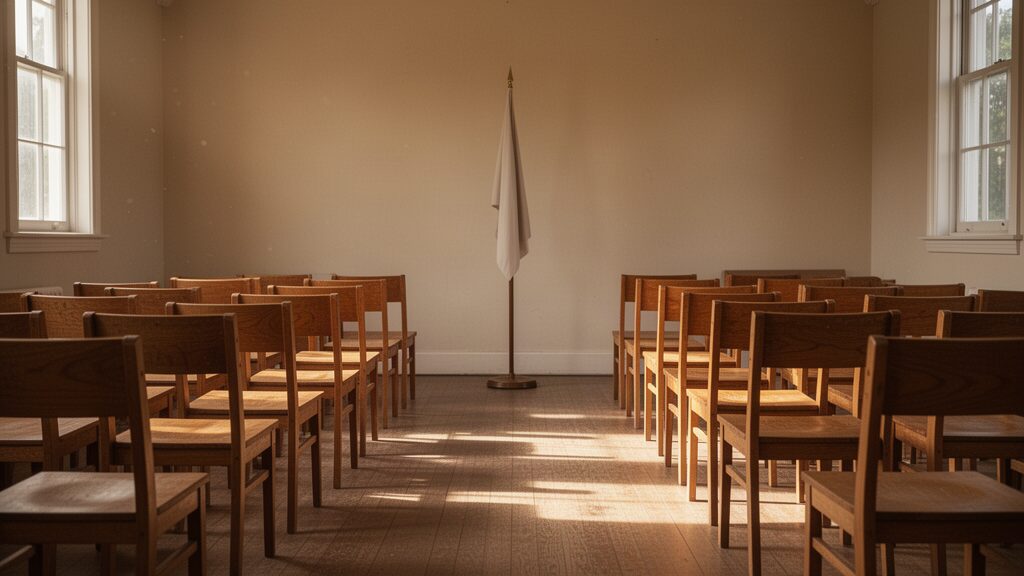
Belize handed citizenship to 108 people on Thursday and used the occasion to send a pointed message across its western border. Immigration Minister Kareem Musa reminded the country that Guatemalan nationals cannot become Belizean by registration while Guatemala’s territorial claim stands, and noted that none of the new citizens were Guatemalan.
It was a ceremony about welcome. It was also, unmistakably, a ceremony about sovereignty.
Who Became Belizean
The new citizens came from Central, North and South America, the Caribbean, Europe, Africa, the Middle East and Asia. El Salvador supplied the most, 38, followed by Honduras with 35. Together they made up nearly 68 per cent of the group.
Among them were American entrepreneur Debbie Baldwin, known as ‘Miss Debs’ for her burger and mobile food business, and German-born textile artist and author Ingrid Cayetano, wife of Punta Rock pioneer Delvin ‘Pen’ Cayetano. Two Honduran recipients told their stories. Anthony Henrriquez crossed the western border aged ten when his mother fled for a safer life; he is now a bartender on Caye Caulker and a father of two. “I love Belize. It is my home and the home of my daughters,” he said. Janeth Romero, who arrived in 2013 and runs a small personal-care business in Orange Walk, said legal status helped her family get healthcare.
The Constitution and the Claim
Mr Musa cited Section 29(3) of the Belize Constitution, which bars citizenship by registration for nationals of countries that do not recognise Belize’s independence, sovereignty or territorial integrity. He reaffirmed that Belize is pursuing a peaceful resolution of Guatemala’s claim at the International Court of Justice, where oral hearings are scheduled for February 2027.
The timing of that reminder is no accident. With the ICJ hearings three months away, Belize is reasserting the legal consequences of Guatemala’s position wherever it can. That is sound strategy. A country defending its borders in court should be consistent in how it applies its own constitution at home.
Belize’s Quiet Strength Is Migration
Mr Musa acknowledged the instability, conflict, economic hardship and gang violence that have driven people out of Central America, and said Belize has given generations of families safety, work and schooling. He is right, and Belize does not boast about this enough. A small country has absorbed people fleeing far bigger neighbours and turned many of them into business owners, workers and parents of Belizean children.
The harder conversation is the one the ceremony skipped. Thousands of long-term residents remain in limbo, waiting years for status that would let them work legally, pay taxes and access healthcare openly, as Ms Romero described. If citizenship is worth celebrating, the backlog that keeps people from it deserves the same attention. The minister should publish how many applications are pending and how long they take.
Belize wants the world to respect its borders. It can also show the world that what lies inside them is a country that keeps its promises to the people who chose it.