Twenty-One Years to Sign One Customs Deal: Jamaica and the US Finally Agree to Share What They Know About Guns
Jamaica and the United States have signed a customs pact to share intelligence on guns and drugs. It took 21 years, and nobody at the ceremony said why.
It took Jamaica and the United States 21 years to agree that their customs officers should tell each other about guns. Both governments celebrated on Thursday. Neither explained the two decades.
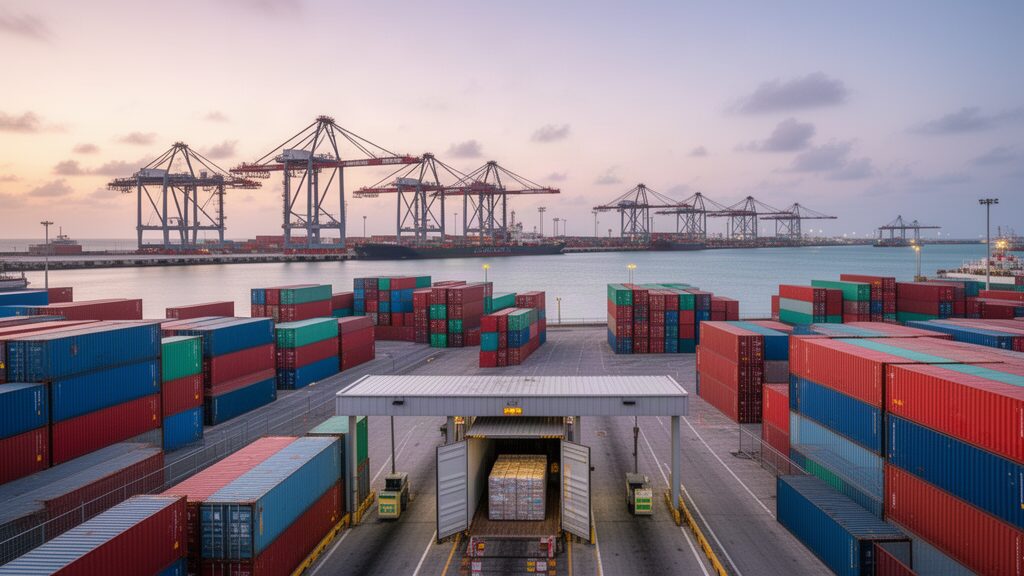
The Customs Mutual Assistance Agreement, signed between the Jamaica Customs Agency and US Customs and Border Protection, sets up formal cooperation on firearms trafficking, narcotics smuggling and other customs offences. The two agencies will be able to exchange intelligence, verify declarations, flag suspicious shipments and people, and supply evidence for use in each other’s courts. Assets linked to customs offences can be frozen and forfeited.
‘This has taken 21 years to sign, but better late than never,’ said Juan Pablo Segura, the US Assistant Secretary of State for Western Hemisphere Affairs. It is a cheerful line for a grim fact.
What two decades cost
Finance Minister Fayval Williams put the purpose plainly: the deal ‘helps keep the guns and drugs that threaten those same young people out of our country’. She noted it is Jamaica’s first agreement of its kind, and that it is with a partner that supplies nearly half the island’s imports by value.
Read those two facts together. For as long as these talks dragged on, Jamaica had no formal customs-assistance arrangement with the country from which nearly half its imports arrive. Ministers on Thursday said the agreement targets illegal firearms entering the island. If that is what it is for, then every year without it was a year in which the two customs services lacked a framework that both now call essential.
Mr Segura said the talks gained ‘renewed momentum’ after US Secretary of State Marco Rubio visited in 2025 and Prime Minister Andrew Holness recommitted to finishing them. In other words, it moved when it suited the politics of the moment. Nobody on the platform offered an account of why it had not moved before.
Paper is not interdiction
Foreign Minister Kamina Johnson Smith offered a tidy chain of reasoning: ‘Strong customs cooperation means more secure ports, and more secure ports means more trade, and more trade means more growth.’ With bilateral trade worth more than US$3 billion, the commercial case is real.
But an agreement to share information is only as good as the information shared and what is done with it. The useful provisions here are the enforcement ones: evidence that can travel between courts, and the power to go after property. As Mrs Williams put it, ‘so that crime does not pay’. Following the money is where trafficking networks hurt.
How to judge it
The public should ask for results it can count. How many shipments are intercepted because of intelligence passed under this agreement? How many prosecutions use evidence from the other side? How much property is forfeited?
If those numbers appear within a year, Thursday’s ceremony will have been worth the speeches. If they do not, the agreement will join a long list of security announcements that looked better at the signing table than at the wharf. After 21 years, Jamaicans are entitled to expect the first kind.