Martine Moïse Files to Run for Haiti’s Presidency, Five Years After Gunmen Killed Her Husband. An Election Without Security Is a Gamble
The former first lady joins a field of 33 online registrants, including Michel Martelly and Claude Joseph. Haiti has not held a presidential election since 2016.
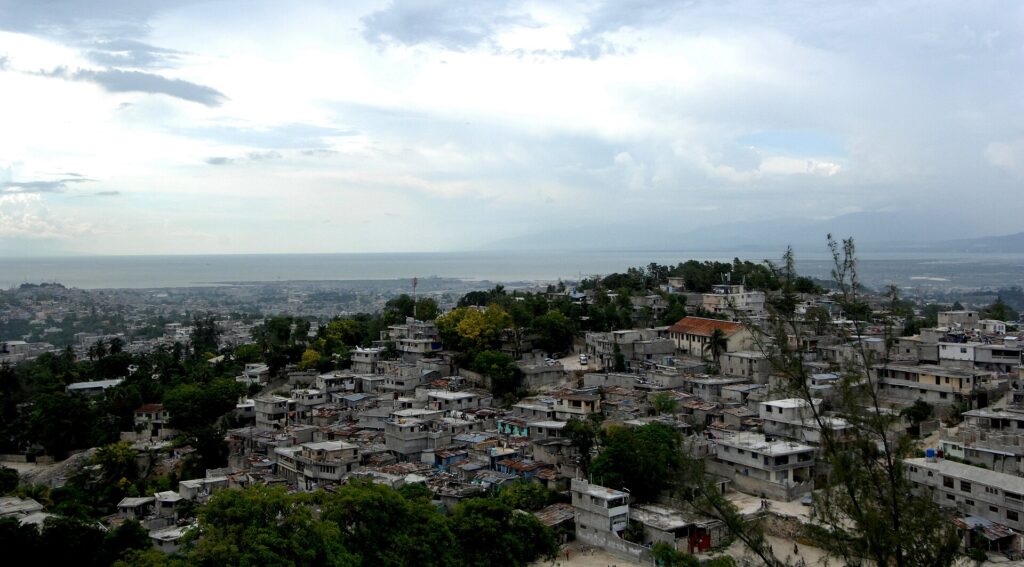
Martine Moïse survived the night gunmen burst into her home and killed her husband, Haiti’s President Jovenel Moïse. Five years later she wants his job. The former first lady delivered her candidacy papers to an electoral office in Port-au-Prince on Friday, three days before the deadline, and left without speaking to reporters.
Her bid is a powerful personal story. Whether it is a viable political one depends on a question no candidate can answer: will Haiti be safe enough to vote at all?
A Crowded and Familiar Field
Moïse registered online on 15 November for the party Gwoupman Angaje pou Demokrasi, or GAD. She flew back to Haiti on Wednesday, landing in Cap-Haïtien before travelling to the capital, where a small group of supporters met her. Party officials accompanied her to the electoral office.
On the same day, at the same office, Claude Joseph filed his papers. Joseph was prime minister when her husband was killed on 7 July 2021. The two now compete for the same office.
They are not alone. Moïse was one of 33 people who registered online for the presidency, and only three of them are women. The field also includes former presidents Michel Martelly and Jocelerme Privert. All applicants must submit supporting documents by Monday 30 November, according to the Provisional Electoral Council.
Ten Years Without a Vote
Haiti last elected a president in 2016. Since Jovenel Moïse’s assassination, a string of transitional administrations has governed while armed gangs have tightened their grip on Port-au-Prince. Insecurity has already forced the postponement of earlier attempts to hold elections. The council has now scheduled a first round of presidential and legislative elections for 18 July 2027, with a run-off on 4 October.
There has been one step towards accountability for the 2021 killing. On 18 November a federal jury in Miami convicted Christian Emmanuel Sanon on eight charges arising from the plot. At the president’s funeral, Antigua and Barbuda’s Prime Minister Gaston Browne, speaking for Caricom, had demanded that those responsible be brought to justice.
Old Names, Same Crisis
Look at the leading names on the list: a widow of the last elected president, the prime minister of the day, and two former heads of state. Haiti’s political class is offering voters the same cast that presided over the collapse. That is not an argument against any one candidate. It is an indictment of a system that has not produced new leadership in a decade.
For Caricom, the lesson is that a date on a calendar is not an election. Unless voters in gang-held districts can register, travel and cast a ballot without fear, the July vote will hand power to whoever can campaign in the few safe places left. The region should be pressing the transitional authorities and their international backers now on how polling stations will be protected, not in June when it is too late.
Martine Moïse has every right to run. Haitians deserve the right to choose, freely and safely, whether they want her.