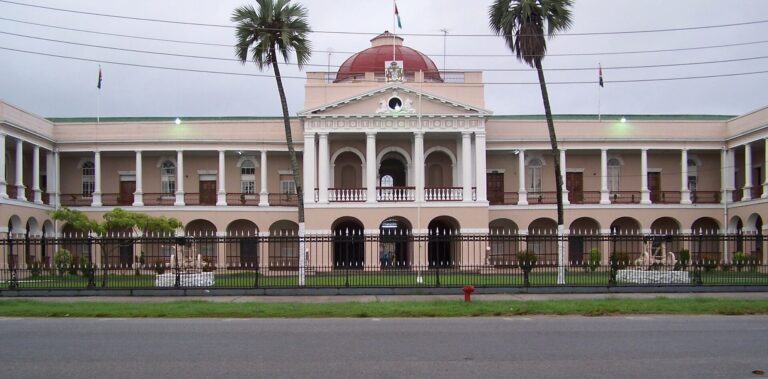
Guyana Has Stopped Mothers Passing HIV to Their Babies. The Government Should Resist Turning It Into a Campaign Poster
WHO has validated Guyana’s elimination of mother-to-child transmission of HIV and syphilis for 2022 to 2025. The achievement belongs to its health workers, and keeping it will be harder than winning it.
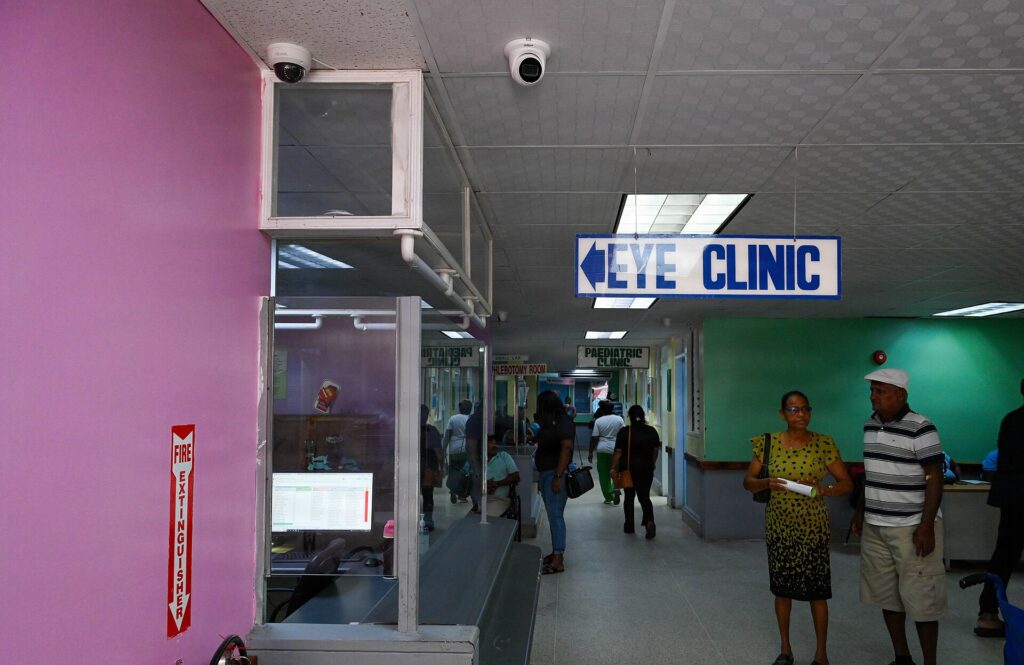
A baby born in Guyana today is no longer expected to inherit HIV or syphilis from its mother, and the World Health Organisation has put that in writing. It is the best piece of public health news the country has had in years, and it deserves better than the self-congratulation it arrived wrapped in.
The Health Ministry announced on Thursday that WHO has validated Guyana’s elimination of mother-to-child transmission of both infections as public health problems. In a letter dated November 16, WHO Director-General Dr Tedros Adhanom Ghebreyesus told Health Minister Dr Frank Anthony that Guyana had been validated for the period 2022 to 2025, following an assessment by the Global Validation Advisory Committee on November 5. He congratulated the country and commended the Government’s commitment to a strong programme for pregnant women and infants.
What the certificate means, and what it does not
The wording matters. This is elimination as a public health problem, not eradication. HIV and syphilis still circulate in Guyana. What has changed is that transmission from mother to child has been pushed below the international thresholds, which is done through unglamorous work: screening every pregnant woman early, treating those who test positive promptly, running laboratories that return results on time and following up the babies.
Untreated, these infections can mean lifelong illness, stillbirth or the death of a newborn. All of that is largely preventable with decent antenatal care, which is why the result is a verdict on a whole system and not on a single programme. Guyana now joins a small group of countries in Latin America and the Caribbean to have been validated.
The scrutiny was real. The Pan American Health Organisation coordinated a virtual review from June 1 to 5 and an in-country mission from June 7 to 13. A regional team led by Dr Jodie Dionne examined services, laboratories, data, community engagement and human rights and gender considerations, and presented its findings to Guyana’s national validation team on June 12.
Credit where it is actually due
The ministry’s statement called the validation proof that the Government’s investments in healthcare are delivering, and credited the leadership of President Irfaan Ali. Dr Anthony said the country had ‘every reason to be proud’ and that the certificate represents ‘lives protected, infections prevented’.
Pride is fair. The framing is a stretch. The validated period begins in 2022, but nobody eliminates vertical transmission in four years from a standing start. Results like this rest on decades of work by midwives, clinic nurses, laboratory staff and outreach workers in every region, many of whom were testing and treating pregnant women long before the current hospital-building programme. They are the people who should be on the platform.
The harder part starts now
Validation is not permanent. Countries keep the status only by keeping the numbers, and that depends on things a ribbon-cutting does not guarantee: staff who stay, test kits that do not run out, and women in hinterland and riverine communities who can reach a clinic early in pregnancy.
So the useful response from the ministry is to publish the figures behind the claim, region by region, and say where coverage is thinnest. A government that wants credit for the result should be willing to be measured on holding it. Guyana’s health workers have just shown what steady, boring, well-run primary care can do. The best tribute is to fund more of it.