Maloney Lockdown Ends, the Law Stays: Roger Alexander Calls It ‘Excellently Executed’ and Claims Critics Are Paid. Where Is the Proof?
The Maloney lockdown is over after six guns and 329 searched apartments, but the Special Operations Act remains in force and faces two constitutional challenges.
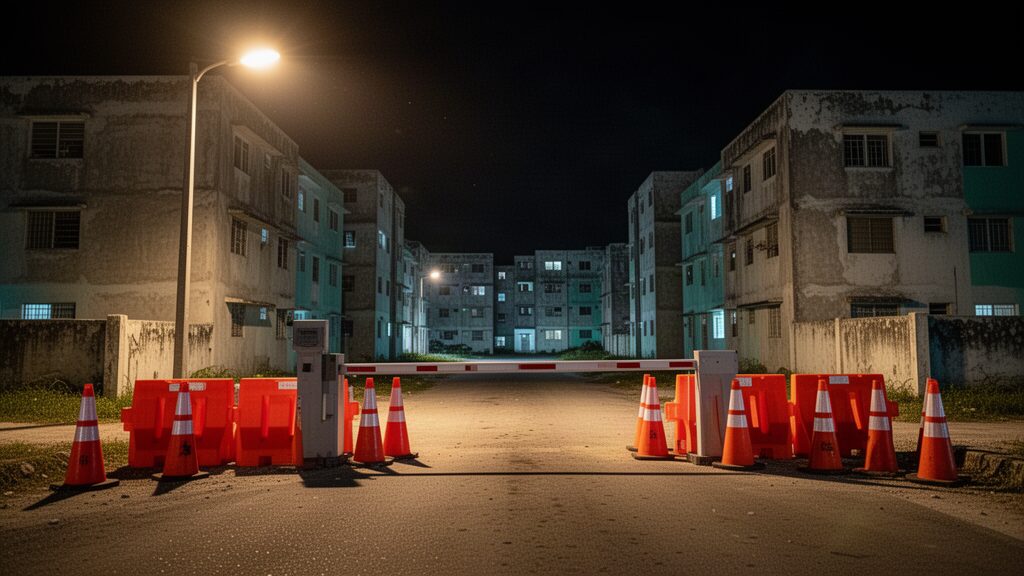
Two weeks of curfews, checkpoints and house-to-house searches are over in Maloney, but the power that made them possible is still sitting on the statute book, ready for the next community. That is the part of this story the government would prefer you forget.
On November 10, Maloney became the first community declared a closed area under the Special Operations Act, after a video circulated showing a man firing indiscriminately in a car park. For roughly two weeks residents lived under a 9 pm to 5 am curfew, with movement restricted while police and soldiers searched and manned checkpoints. The restrictions were lifted on Tuesday after a revised threat assessment, with police moving to what they call enhanced conventional policing.
The Scorecard And The Spin
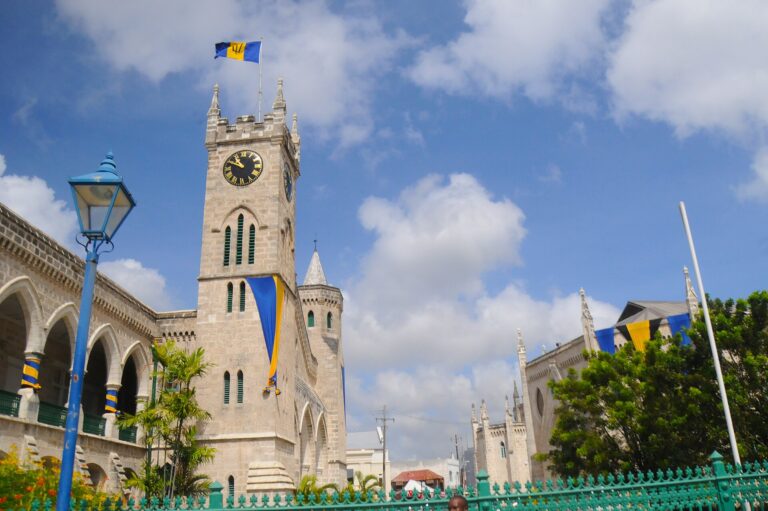
The results on paper: more than 600 law enforcement activities, 329 apartments searched, six firearms recovered, plus ammunition, narcotics and outstanding warrants executed. Homeland Security Minister Roger Alexander, speaking outside Parliament, called the operation “excellently executed” and promised officers would stay. “After 10 years or more of loneliness, Maloney will no longer be lonely,” he said, adding with a laugh that some officers would be visible and some not: “Sometimes you just have to look up.”
Six guns from 329 apartments is a result. Whether it justified locking down a whole community of law-abiding families is a fair question, and the minister chose not to answer it. Instead he alleged that some people were being paid to criticise the operation. He did not say who, and he offered no evidence. A minister who holds new powers over citizens’ movements should be the last person throwing around unproven claims about his critics.
Asked whether other communities could face the same treatment, Alexander said it would depend on people’s behaviour. That is not a policy. It is a warning, and it should worry everyone.
The Constitutional Fight Is Not Over
Opposition Leader Pennelope Beckles is pressing on with her challenge to the law itself. “The fact that they have now cancelled the order does not mean the law is not still in effect,” she said. Her case turns on the majority used to pass the Act: the Opposition argues that legislation restricting constitutionally protected freedoms needed a three-fifths majority. Separately, former prime minister Stuart Young is pursuing a challenge on behalf of activist Wendell Eversley, the first person to take the Act to court, arguing it interfered with residents’ ability to reach their homes, travel and work.
Those cases matter more than any single operation. If the courts find the law was passed improperly, the Maloney lockdown will have been built on sand.
Maloney Speaks For Itself
On Thursday night residents held a prayer walk from the Maloney Shopping Mall to the police station, organised by the Maloney Gardens Community Council and councillor Stephan Wattley, praying alongside the officers. Council president Matthew Peters said residents wanted to show they were “law-abiding citizens”. Longtime resident Betty-Ann Suya put it best: there may be “about 10 bad people and about 32,000 good people in Maloney today”.
That ratio is the whole argument. Policing that targets the ten is welcome. A law that lets the state lock down the 32,000 on a minister’s say-so needs a court’s verdict, not a minister’s laugh.