AI Data Centres in Portmore? Nobody Asked Portmore, and the Churches Are Right to Say So
An MP wants AI data centres in Portmore, but residents were never consulted. Church leaders and the PNP Patriots want the MOU published and the water and power questions answered first.

A town of rooftops, dry hills and a protected bay is being pitched as the home of Jamaica’s artificial intelligence future, and the people who live there heard about it in a parliamentary speech. The Portmore Ministers’ Fraternal has now said what plenty of residents were thinking: nobody consulted them, and nobody has shown them the numbers.
The idea came from St Catherine East Central MP Alando Terrelonge, who used the State of the Constituency Debate on November 17 to recommend Portmore as the site for AI data centres. Two days earlier, Prime Minister Andrew Holness had announced that the government approved a memorandum of understanding to explore building AI infrastructure in Jamaica. An MOU nobody has seen, plus an MP’s wish list, has somehow become a siting proposal.
The Questions Nobody Has Answered
The fraternal, in a statement signed by its president, Reverend Courtney Gordon, did not reject technology. It asked for independent environmental impact assessments covering water, electricity, cooling, noise, emissions, waste, drainage and flood risk, and for full disclosure of locations, scale, jobs and any financial burden on the public. “Citizens and stakeholders of Portmore have not been consulted on this proposal,” it said. Those studies, it argued, must come before any decision on siting.
That is not obstruction. That is the minimum any serious country asks before handing a power-hungry, water-hungry industry a piece of land. The fraternal itself conceded that the impact depends on scale, location and technology, which is exactly why the details matter.
Sunshine City, Whose Sunshine?
The PNP Patriots joined in on Friday, demanding that the government publish the MOU, name the investors and hold consultations before a site is picked. They also took apart Terrelonge’s reported assurance that the facilities would not draw on the Jamaica Public Service grid or National Water Commission supply because developers would build their own solar plants and cooling.
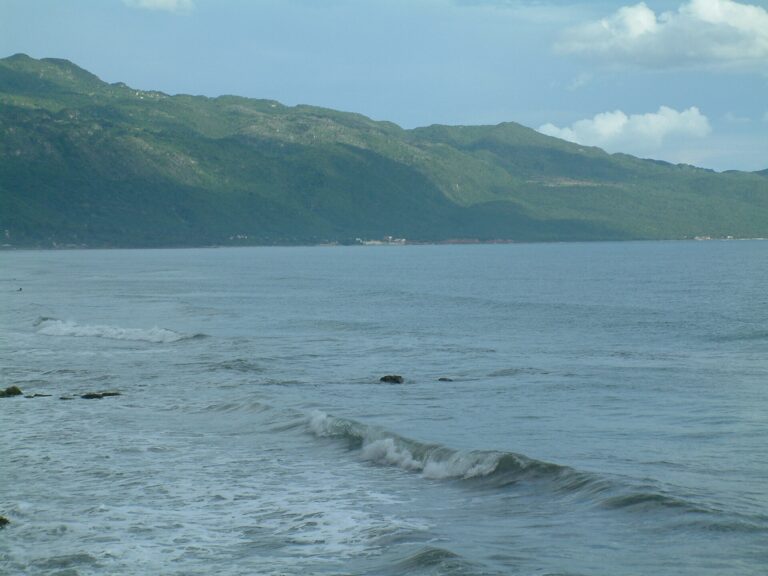
Where does a large solar farm go in a town hemmed in by housing, the Hellshire Hills and the Portland Bight Protected Area? What runs the servers at night or in a hurricane? Is the cooling water coming from wells, groundwater or the sea? “This is not a decision for one member of parliament to make on Portmore’s behalf,” said Ibrahim Konteh, the group’s deputy general secretary. “If that solar can be built, it should power Portmore’s homes before it powers someone else’s servers.”
Konteh also reached for the bauxite comparison, and it lands. Jamaica has lived through an industry that dug up the land, shipped out the value and left communities asking what they got. “Data is the new gold” is a slogan; who keeps the gold is policy.
Publish The Memorandum
The fix is simple and costs nothing. The government should release the MOU, identify the counterparties, and commit that no site will be chosen before independent studies are published and Portmore has had its say. If the project is as good as its backers claim, it will survive daylight. If it cannot, the residents of Portmore have just saved themselves from becoming the server room for someone else’s profits.