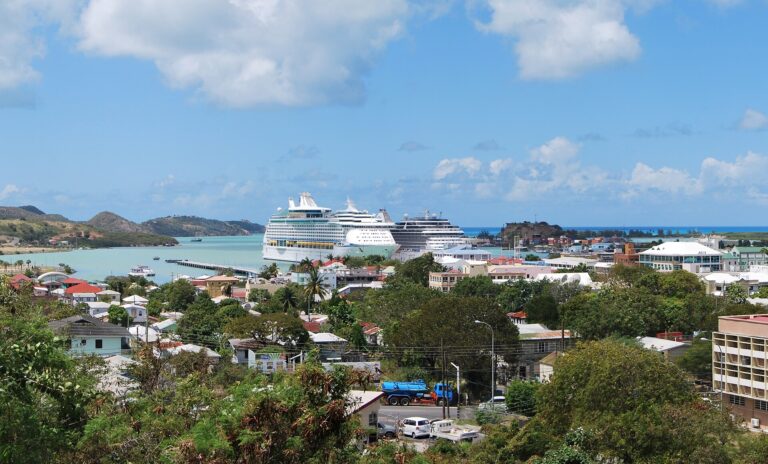
Fort James, Two Stories: Gaston Browne Says Royal Caribbean Wanted the Beach. His Own Tourism Minister Says Otherwise
Gaston Browne says Antigua rejected Royal Caribbean's Fort James plan over beach exclusivity. His tourism minister and the public record tell a different story, as new development plans advance.
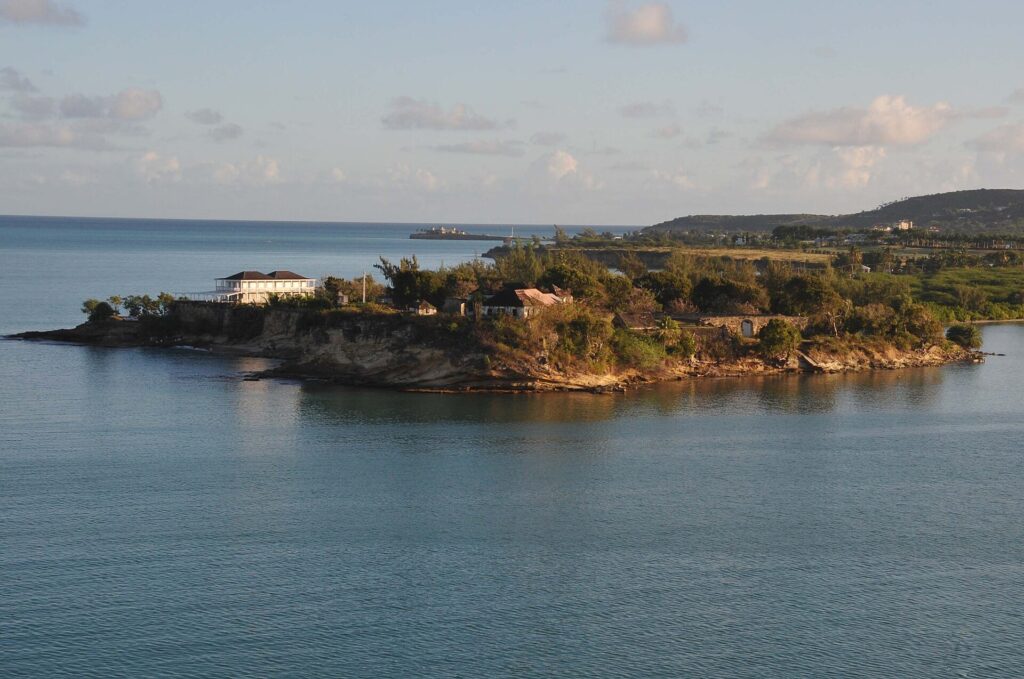
When a prime minister and his tourism minister give two different explanations for the same failed deal within three days, at least one of them is wrong, and the public deserves to know which. That is where Antigua and Barbuda now stands on Fort James, the beach and historic site at the centre of another multimillion-dollar development push.
On his radio programme on Saturday, November 21, Gaston Browne said his government had turned down an EC$100 million Royal Caribbean investment because the cruise company wanted exclusivity. “And we said no, because our people must have access to the beach,” he declared. It is a stirring line. It also does not match what his minister wrote on November 24.
The Minister’s Version
Tourism Minister Charles Fernandez said in a written statement that the project with Royal Caribbean Group was an initial agreement from 2019 that “did not resume after the pandemic”, and that “even in its initial stages, the proposal always considered local beach access.” He called the company a good partner whose relationship the government continues to value.
The record supports Fernandez, not Browne. In May 2019 Fernandez announced talks expected to bring at least US$50 million in onshore investment and to double the line’s annual arrivals from about 250,000 to 500,000. Royal Caribbean then named Antigua as the site of its first Royal Beach Club in the world, due to open in 2021, and a planning agreement was signed in February 2020. At the time, Lionel “Max” Hurst, then the Prime Minister’s chief of staff, assured the public that the beaches would stay accessible to everyone at all times. In June 2022 Fernandez told reporters the cruise line’s pandemic losses had forced it to postpone, adding that he had tabled correspondence from the company in Parliament and had been assured of continued interest. Cabinet’s own June 2026 announcement shelving the Royal Caribbean plan did not cite any demand for exclusive beach access.
So when exactly did Royal Caribbean demand exclusivity? Nobody in government has said.
Why It Matters Now
This is not a history quiz. While the Royal Caribbean idea sat unrealised, a group of unnamed international investors presented Cabinet on March 11, 2026 with a plan to turn the Fort James peninsula into a luxury marina and waterfront development, with a first phase estimated at US$150 million, berths for at least 50 mega-yachts, upscale shops, boutique accommodation, restaurants, residences and a dining and events venue on the historic hilltop. Cabinet welcomed it, subject to assessments, without naming the investors. In June Cabinet then announced the government itself would redevelop Fort James with local stakeholders, including beach replenishment, coastal protection, vendor spaces, an amphitheatre and the reclamation of about three acres of land.
A new development is coming to Fort James in some form. If the Prime Minister’s beach-access story is being used to frame the old deal as a threat and the new plans as protection, Antiguans need to know whether that framing is true. Fort James is a public beach and a Labour Day tradition. Ordinary people have a stake in what happens to it, and they cannot judge the next proposal if they are given conflicting accounts of the last one.
Clear It Up
The fix is straightforward. Table the Royal Caribbean correspondence and agreements again. Say plainly whether exclusive access was ever requested in writing, and when. Name the investors behind the marina proposal and publish the terms of any arrangement before land is reclaimed or leased. Browne has built his case on protecting public access. Transparency is the best way to prove he means it.
Right now, the only thing exclusive about Fort James is the information.