$18.2 Billion to Prop Up CAP, Petrojam and the Airports Authority: Jamaica Is Paying Twice for Deals It Was Told Would Save Money
Three supposedly self-financing state bodies needed $18.2 billion in government loans this year. The airport forward sales and Jamalco are the reasons, and taxpayers are footing the bill.
Jamaica’s taxpayers have just lent $18.2 billion to three public bodies that are supposed to pay their own way, and the finance minister’s explanation amounts to this: we have no choice. That is the problem. Clarendon Alumina Production, Petrojam and the Airports Authority of Jamaica are labelled self-financing, but this year all three needed the Treasury to keep going.
Finance Minister Fayval Williams laid out the figures before Parliament’s Standing Finance Committee on Tuesday after Mark Golding asked why so much money was going out the door. Her answers were candid. They were not reassuring.
Jamalco: US$800 Million and Counting
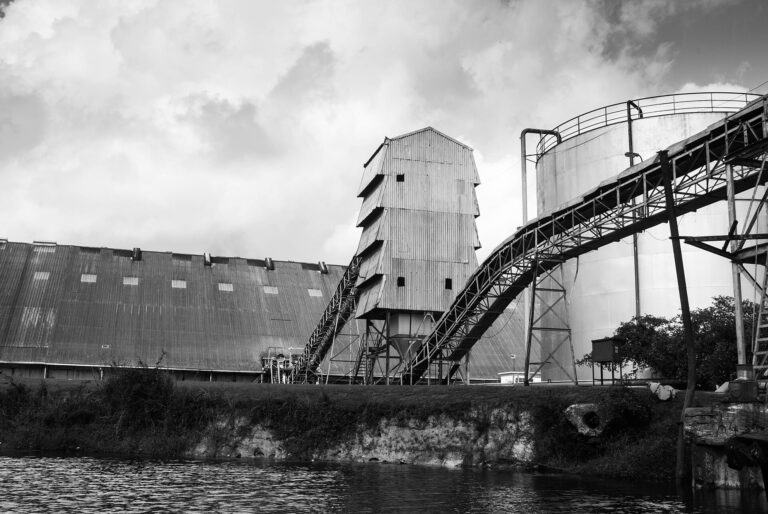
The biggest wound is Clarendon Alumina Production, which holds the government’s 45 per cent stake in the Jamalco bauxite and alumina operation alongside Century Alumina Company, which owns the other 55 per cent. Williams said the state had to put US$65.2 million into CAP over the past year, and that since acquiring its stake the government has spent more than US$800 million financing the company.
Earlier this month the government announced it is moving to sell that 45 per cent. That decision is overdue, but it raises an obvious question nobody has answered: what will Jamaica get back for a stake that has swallowed US$800 million, and who signs off on the price? A divestment that recovers a fraction of that sum would turn years of subsidy into a permanent loss. The public deserves to see the numbers before the sale, not after.
The Airport Deals Come Due
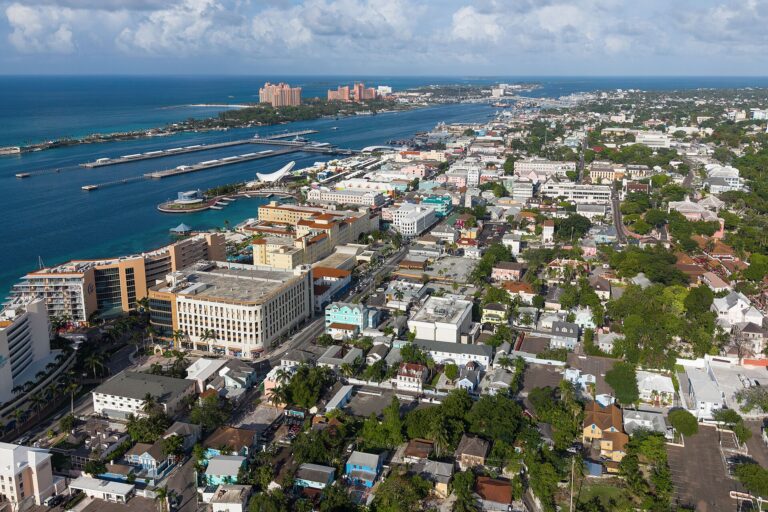
The airports story is even more instructive. To raise money for the national Budget, the government sold forward future revenues from Norman Manley International and Sangster International. Golding pointed out the obvious consequence: the Airports Authority is now running an operating deficit. Williams confirmed that, under those transactions, the government has committed to fund the authority as needed. In other words, the Budget got cash up front and the AAJ got the bill.
Golding called it a “lousy deal” that will be “a shackle around our ankles for years to come”. That is an opposition leader’s line, but it is hard to argue with the mechanics. The $4.9 billion subvention set aside for the AAJ in the Budget has now been converted into a loan, to pay for apron works at Norman Manley. A grant that becomes a loan to a body whose income has already been sold away is not financing. It is moving the debt from one pocket to another and calling it prudence.
Petrojam’s Cash Gap
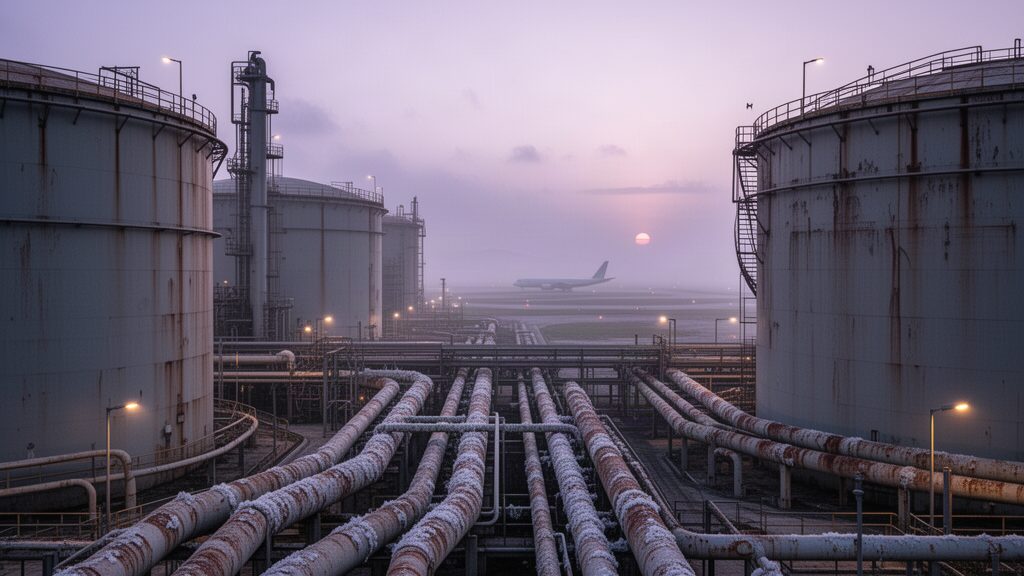
Petrojam, the state refinery, received a US$18 million loan for liquidity. Williams said the refinery buys oil and sells in between, and the government lends it working capital. That may be routine, but a refinery that needs the Treasury to bridge its trading cycle is a refinery whose balance sheet should be published and explained, given its history.
Here is who gains and who pays. The government gained headline revenue from the airport deals and avoided hard decisions on Jamalco for years. The people paying are taxpayers, who now fund all three entities through loans that may never be fully repaid, and travellers, whose airports are being upgraded on borrowed money because their future fees were already spent.
Williams deserves credit for answering plainly in committee. Now the ministry should go further: publish the repayment terms for each loan, the full cost to date of the airport forward sales, and an independent valuation of the Jamalco stake before any buyer is chosen. Self-financing bodies that need $18.2 billion in a single year are not self-financing, and the country should stop pretending they are.