Seven Cases of Beer in Three Weeks: A St Vincent Shopkeeper’s Ledger Tells the Government What Its Statistics Won’t
A shopkeeper's account says seven cases of beer now take three weeks to sell, hours have been cut and a $1,200 electricity bill eats the margin. Rural St Vincent is asking for relief.
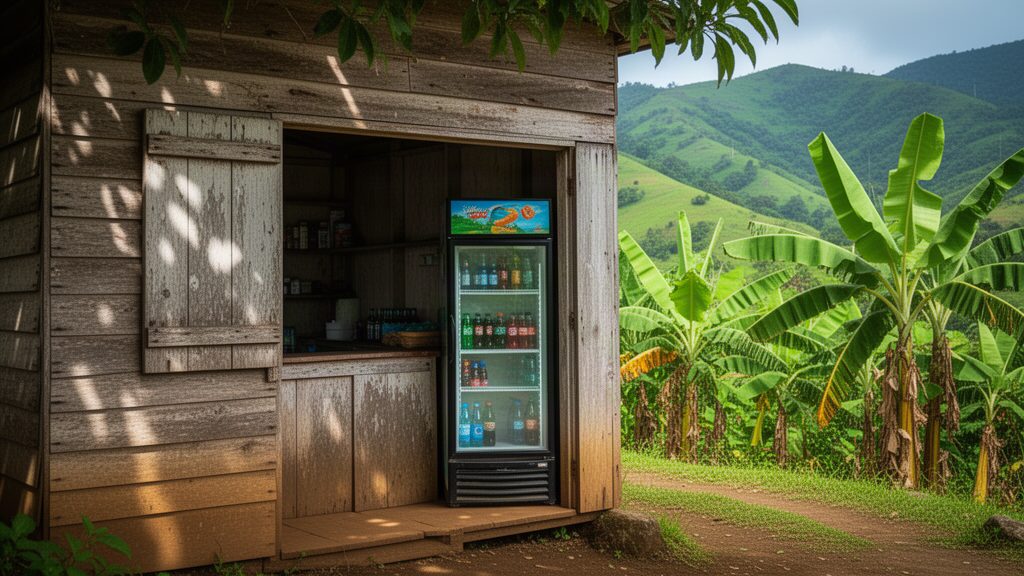
When a village shop in St Vincent needs three weeks to sell seven cases of beer, the economy is speaking plainly. A shopkeeper’s account published this weekend describes a rural trade that is quietly shrinking: shorter hours, fewer customers, smaller purchases and an electricity bill that swallows the margin. It is one voice, not a survey. But it is the kind of evidence that governments in Kingstown too often ignore because it never shows up in a press release.
A day that keeps getting shorter
The writer, who does not name the shop or the village, opens at 5:30am and closes by 9am, stays shut through the middle of the day until 2:30pm, and locks up at 8pm. A few years ago, a midday closure would have been unthinkable; the shop was, in the writer’s words, ‘the heartbeat of the community from sunup to sundown’, serving bread and ice, children’s snacks and cold drinks for tradesmen. Now staying open all day is ‘a luxury I cannot afford.’
The afternoon trade, according to the account, is two or three customers buying a box of matches or a pound of sugar. Evening drinkers buy a shot or a quart of rum because it stretches further than a few bottles of beer. Seven cases that once would not have lasted a busy weekend now take three full weeks to clear. Grocery margins are described as razor-thin.
The light bill is the business
The heaviest cost is electricity. Running a drinks cooler and a second cooler for meat, drinks and ice costs, the writer says, about $1,200 a month in VINLEC charges. The shopkeeper is considering putting drinks and meat in a single cooler just to cut the bill. That is what survival looks like at the bottom of the retail chain: rationing refrigeration in a tropical country.
This is where policy bites. Fuel and electricity costs are set or shaped by the State and its utility. A government that lets power stay this expensive is effectively taxing every rural shop, every ice box and every cold drink, and the shopkeeper cannot pass the cost on to customers who are already counting change.
Who is listening
The writer’s appeal is direct: ‘I am begging the government to look beyond the big businesses in Kingstown and foreigners and pay attention to the small shopkeepers.’ The request is modest: relief on electricity rates, direct financial help, or measures to put spending power back with ordinary Vincentians. Village shops, the writer notes, are often the ones extending credit to neighbours when wages run out. ‘Right now, we are drowning quietly.’
Ministers will no doubt point to big projects and investment figures. Those matter. But a recovery that is visible from a hotel site and invisible from a village counter is not a recovery most people feel. If rural shops are cutting hours and trimming coolers, so are the households that buy from them.
The Government should take this as a prompt, not a complaint to be dismissed. Survey the small retailers, publish what they are paying for power, and set out a specific relief measure for them. If village shops start closing for good, as the writer warns they may, the cost will not stop at the shopkeeper. It will fall on every community that loses its corner store, its credit line and its meeting place.