Ali Tells Judges to Ignore Social Media, Then Offers Them Intelligence Briefings. Only One of Those Is Harmless
Guyana’s president told Caribbean judges not to be moved by social media, then called for them to receive intelligence briefings on criminal networks. The second idea is the dangerous one.
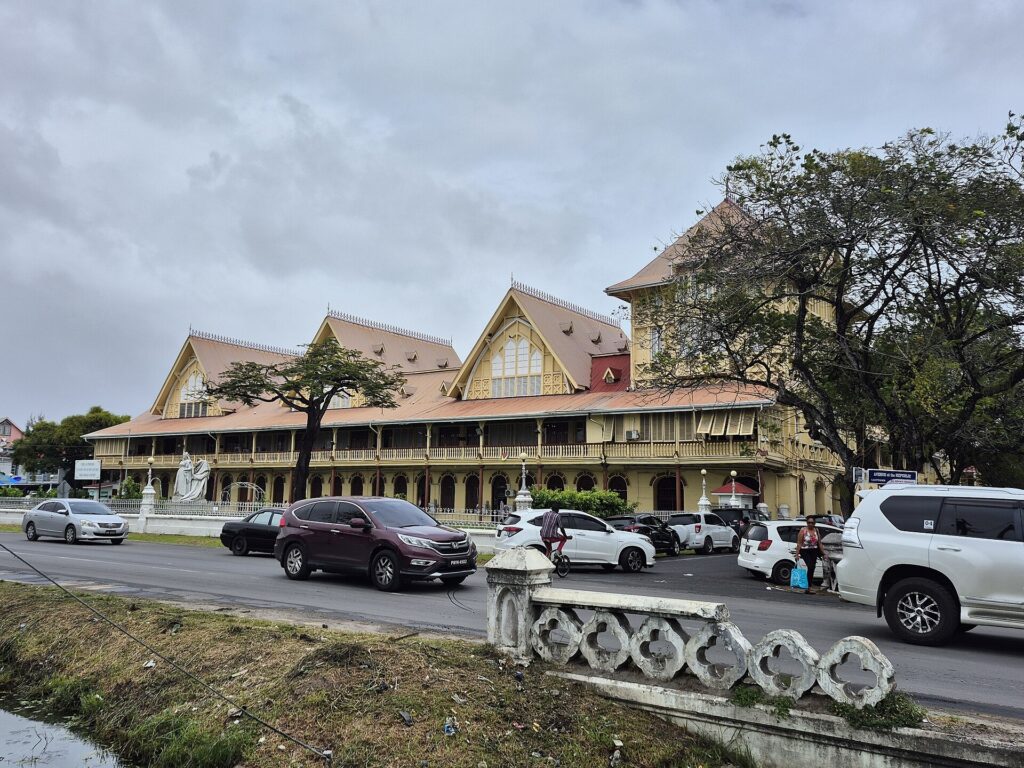
President Irfaan Ali stood before more than 190 Caribbean judicial officers in Georgetown and told them not to be swayed by public opinion. Then he proposed that they be swayed by something far more powerful: the State’s own intelligence.
Opening the ninth biennial conference of the Caribbean Association of Judicial Officers on Thursday, the Guyanese leader delivered a line nobody could argue with. ‘A court cannot decide a case by counting the number of likes, shares, or comments on social media,’ he said. The law must rest on evidence, principle and reason. Criticism must be separated from intimidation, and ‘public engagement must not become an attempt to influence the outcome of proceedings’.
All true. Judges should not rule by applause. But they knew that before the President arrived.
The proposal that deserves attention
The part of the speech that should have made the room sit up came later. Mr Ali called for judicial officers to receive intelligence reports on criminal networks and regional terrorism, with a briefing mechanism to keep them informed. This, he said, ‘is where many countries are going’. He added that the separation of powers ‘cannot be at the expense of separating ideas and separating information’.
Consider what that means in practice. Intelligence is gathered by agencies that answer to the executive. It is untested, often unsourced, and never cross-examined. A judge who has sat through a private briefing on who the State believes is dangerous will later sit in open court deciding bail, admissibility and guilt for people who may have featured in it. The accused will never know what was said about them and will have no chance to answer it.
That is not sharing ideas. It is the executive putting its view of the facts into a judge’s head through a side door. A president who worries about commenters on social media influencing proceedings should see the problem at once.
Who really threatens public trust
Mr Ali told the conference that a judiciary ‘must have a working understanding and knowledge as to what constitutes a threat to public trust’. He named three pillars of that trust: timely and accessible justice, adapting to technological and social change, and addressing threats.
The first of those is where Caribbean courts actually fail people. Cases across the region sit for years. Citizens lose faith in judges not because of something they read online but because their matter was adjourned again. If governments want to protect confidence in the courts, the remedy is within their own gift: more judges, more courtrooms, functioning registries and budgets that are not held hostage.
It is also worth saying that politicians are among the loudest commentators on live cases anywhere in the region. A warning against trying to influence outcomes lands better from leaders who hold their own side to it.
What the judges should say back
The conference theme is ‘Changing Fundamentals of Judging’. Some fundamentals should not change. Judges decide on what is put before them in open court, by parties who can challenge it.
The delegates have three days in Georgetown. They should thank the President for his remarks on social media and decline, politely and publicly, the offer of briefings. Independence means being free from the crowd. It means being free from the Cabinet too.