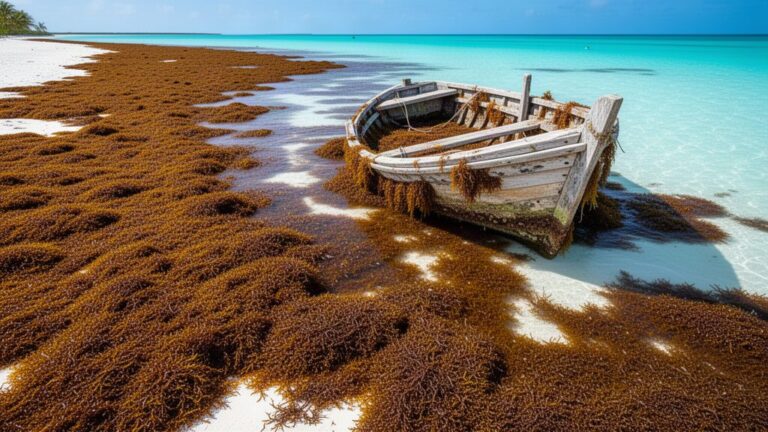
Fail the Exam, Get the Licence: How Trinidad Lets Anyone Captain a Boat in 15 Minutes
After six deaths at sea on 8 November, a test of Trinidad's online boat licence found adults can fail the safety exam and still get a five-year licence. A maritime attorney wants a formal inquiry.
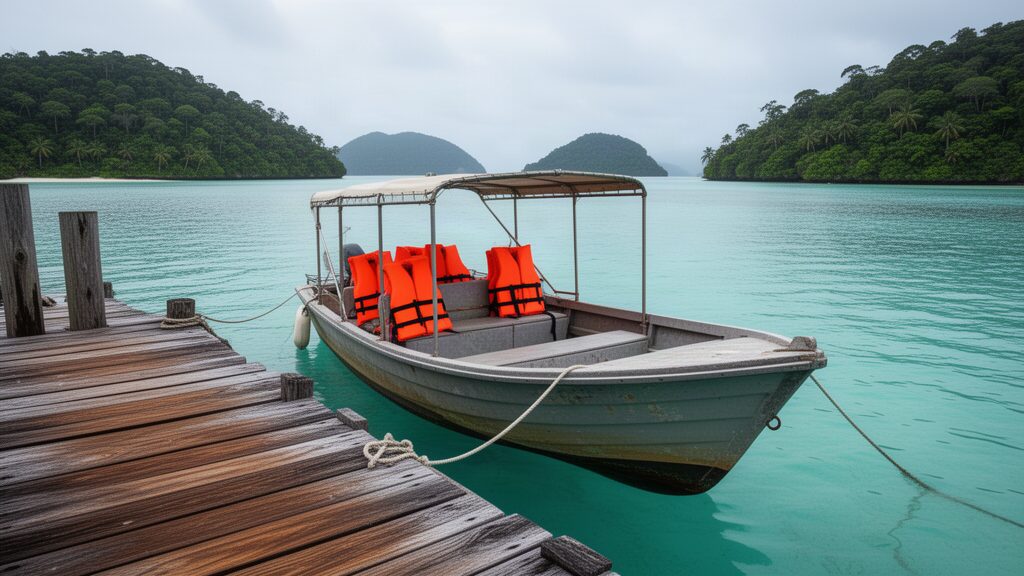
Six people died in a boating tragedy off Trinidad on 8 November. Less than two weeks later, a reporter sat down at a computer, registered on a government website, got half the safety questions wrong and walked away with a five-year licence to operate a small boat. No fee. No practical test. No pass mark. It took under 15 minutes.
A licence that tests nothing
The Ministry of Works and Infrastructure’s online system promises a “comprehensive safety course” followed by a final exam. In practice, according to the test carried out by a local newsroom, applicants watch a rules video and answer 20 questions. Those under 18 must pass. Adults may take the exam but are not required to pass it. The reporter got ten of the 20 wrong and the licence was available to download anyway. A “small boat”, for these purposes, is any vessel under 24 metres. That is not a dinghy; that is a vessel capable of carrying a party of passengers out past the Bocas.
Think about what that means. The State has built a system in which a child is held to a higher standard than the adult at the wheel, and in which the document that is supposed to certify competence certifies only that somebody owns an email address.
The call for an inquiry
Maritime attorney Nyree Alfonso, who has more than 33 years in the field and sits on Guyana’s commission of enquiry into the sinking of the MV Barima, wants the ministry to open a formal inquiry into the 8 November deaths under the Shipping Act. Her aim, she says, is not to assign blame or anticipate criminal charges but to establish what went wrong and prevent a repeat. She is pressing for mandatory insurance for pleasure craft operators so that passengers and families can be compensated, and for a real licensing path with an exam, time-limited certification and refresher courses. “If that’s too onerous for a pleasure craft owner, then you shouldn’t own a vessel,” she said.
Veteran boat captain Daniel “Spider” Richards, with four decades on the water, agreed that marine safety should be treated as seriously as road safety. Works Minister Jearlean John did not respond when asked whether she would support an inquiry.
Nobody can say they were not told
Trinidad and Tobago would never let a motorist take a written test, fail it and drive off with a permit. Yet a pleasure boat can carry more people than a maxi taxi, further from help, with no seat belts and no hard shoulder. The country’s pleasure craft industry has been described as largely unregulated, and the ministry’s own website proves the point better than any critic could.
The causes of the 8 November tragedy have not been established, and it would be wrong to assume the operator’s competence had anything to do with it. That is exactly what an inquiry is for. But the licensing farce stands on its own, and it can be fixed this week: switch on the pass mark for adults, add a practical assessment, require insurance.
The minister’s silence is the least defensible part. Six families are grieving. A lawyer with direct experience of maritime inquiries has told the Government what to do and which law to use. The only thing missing is somebody in authority willing to say yes.