Eleven Haitians Held at Alligator Pond, and Jamaica Still Has No Plan It Will Say Out Loud
Police believe up to 20 Haitians landed by boat at Alligator Pond; eleven are in custody. The clearest account came from a councillor, and the State has not said what happens next.
Eleven Haitians were in police custody on Wednesday after coming ashore at Alligator Pond, and the most detailed public account of what happened came not from a minister or an immigration official but from a parish councillor relaying what a fisherman saw at daybreak. That tells you how prepared the Jamaican State is to explain itself each time a boat from Haiti reaches the south coast.
What happened on Coast Road
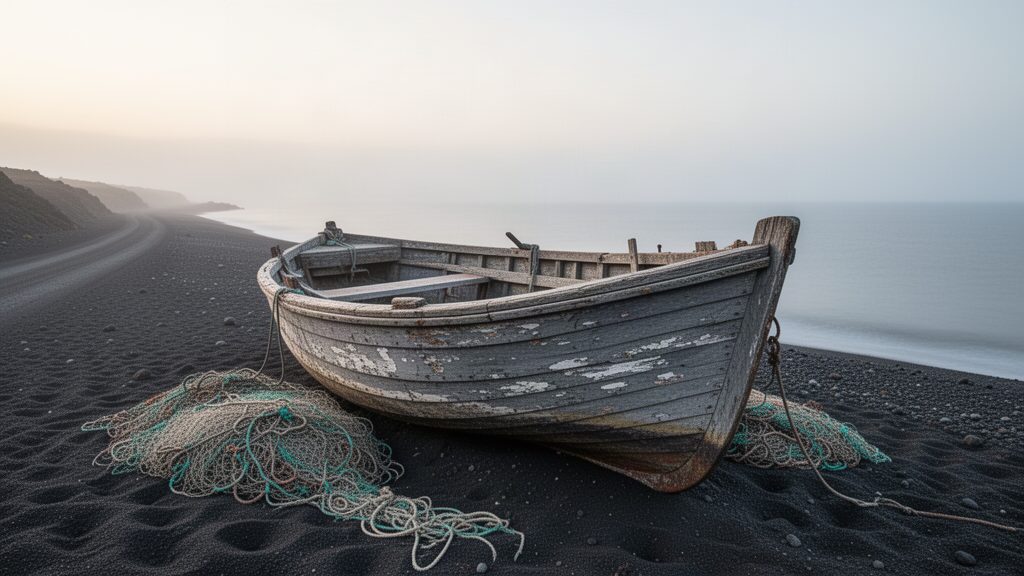
According to preliminary reports, residents spotted a group of Haitians walking along Coast Road in the Alligator Pond area, near the Manchester and St Elizabeth border. Councillor Omar Robinson of the People’s National Party, who represents the Alligator Pond division, said a fisherman reported seeing the group moving hastily with their belongings at first light. Police seized suitcases, buckets and bags holding clothing and other supplies, he said, adding that he did not know whether the boat was still there.
Police believe as many as 20 people landed. Eleven of them, seven males and four females, have been held. They were taken to Mandeville Regional Hospital for medical examination and were still there late on Wednesday. The rest had not been accounted for.
“Residents are on it”
The line that should worry people came from the councillor: “Not all of them were taken in, some are still out there in the environment trying to elude the police, but residents are on it.”
Nobody doubts the community means well, and reporting strangers on a quiet coast road is what neighbours do. But a search for frightened people who have just crossed open sea in a small boat is work for trained officers, not for whoever happens to be awake. Jamaica does not need a citizen sweep of the bush around Alligator Pond. It needs the police and the immigration authorities to be visibly in charge, and to say so.
It also needs someone in authority to say what happens next. The medical checks are the right first step, and credit is due for that. After the hospital, the public has been told nothing. Will those detained be interviewed about why they left? Will anyone who asks for protection be heard before a decision is made? Who is paying, and where will they be held? These are not hostile questions. They are the basic ones, and a government that has seen this before should be able to answer them the same day.
A coast that is watched by fishermen
There is a harder point too. If a boat carrying up to 20 people can reach Alligator Pond and the first alert comes from a fisherman, the south coast is being monitored by luck. That should concern Jamaicans whatever they think about Haitian arrivals, because a shoreline that is open to desperate families is also open to people with far worse intentions.
Haiti’s troubles are not Jamaica’s doing, and no small island can absorb them alone. But pretending each landing is a one-off surprise is not a policy. The Government should publish a clear procedure for arrivals, covering health screening, interviews, detention conditions and returns, and should brief the public promptly when a boat lands. Until it does, the country will keep learning about its own border from whoever was on the beach that morning.