Bahamas International Film Festival Brings 70 Films From 30 Countries to Nassau and Harbour Island. Bahamian Storytellers Must Not Be the Side Show
BIFF returns in December with 70 films and a spotlight on the ocean. The festival's real value will be measured by what it does for Bahamian filmmakers.
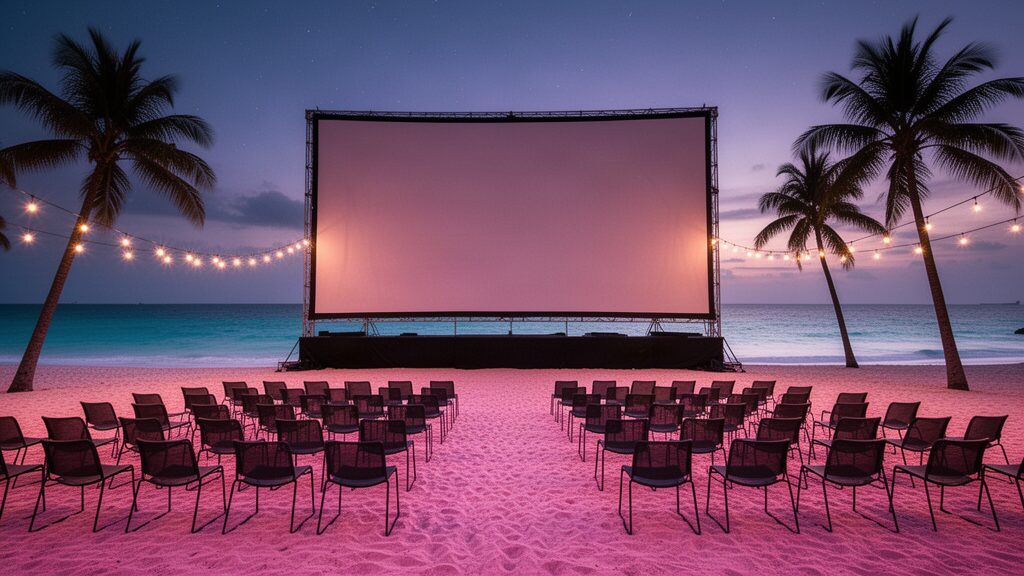
For one week in December, the Bahamas will be one of the busiest film screens in the Caribbean. The Bahamas International Film Festival is bringing 70 films from 30 countries to Harbour Island and Nassau between 7 and 14 December, under the theme “Cinema in Paradise” and with a spotlight on the ocean.
That is a serious programme for a small country. The question that matters is how much of the screen time, and the attention, Bahamian filmmakers will actually get.
The Schedule
The festival opens on Harbour Island from 7 to 9 December. Baha Mar hosts the gala on 10 December, and screenings run at the Fusion Superplex in Nassau from 11 to 14 December. Organisers chose Fusion, a Bahamian-owned cinema, to announce the line-up, and a festival representative made the symbolic point directly: when a Bahamian company builds a world-class home for film, it tells young filmmakers something about what is possible.
Madison Tavares, who handles guest relations and outreach, promised “lots of amazing films from a bunch of different global markets”.
The Bahamian Work to Look For
Among the local entries is “James and Angel”, the first short from Heather Thompson, who wrote the story with a co-writer and worked with the Bahamian director Maria Govan. It is built around a smart house that begins to unsettle the couple living in it, a neat idea for a country where technology and tradition sit side by side in every home.
From further afield, “Grace” is drawn from a true story in Hawaii. Its producer and editor, Taylor Groover, said she was excited to bring a film made on one island to another. That instinct, islands talking to islands, is exactly what a festival in the Bahamas should be built on.
Paradise Is Not a Business Model
Here is the uncomfortable part. A Caribbean festival can easily become a glamorous stopover for international titles, with local films tucked into the matinee slots and Bahamian talent cast as hosts rather than headliners. The “Cinema in Paradise” branding helps sell tickets and hotel rooms. It does not, on its own, build an industry.
What builds an industry is money, training and distribution. A festival that wants to leave something behind should be judged on simple measures: how many Bahamian films are in the programme, how many Bahamian filmmakers walk away with funding, co-production deals or distribution, and whether students in Nassau and the Family Islands get into the room with the visiting professionals.
The ocean spotlight is a smart choice. Few places on earth have a better claim to tell stories about the sea than an archipelago of 700 islands and cays. The festival has given Bahamians the venue and the audience. Now it needs to make sure the most memorable stories on screen this December are told by the people who live beside that water.