Dengue in Montserrat: A Locally Acquired Case Means the Mosquito Is Already Here. One Press Release Is Not a Response
Montserrat has confirmed a locally acquired dengue case. The Ministry of Health's advice is sound, but residents need to know where, and what vector control is under way.
Dengue is circulating in Montserrat. The Ministry of Health and Social Services has confirmed a case in a person with no recent travel history, which means the infection was picked up on the island, from a local mosquito. That is the line that matters, and it should change how seriously residents and the government treat the coming weeks.
What the Ministry Has Said
Dengue is a viral infection carried mainly by the Aedes aegypti mosquito, which bites during the day. The ministry lists the warning signs: sudden high fever, headache, pain behind the eyes, muscle and joint pain, nausea, vomiting or a rash. Anyone with those symptoms is told to seek medical attention promptly.
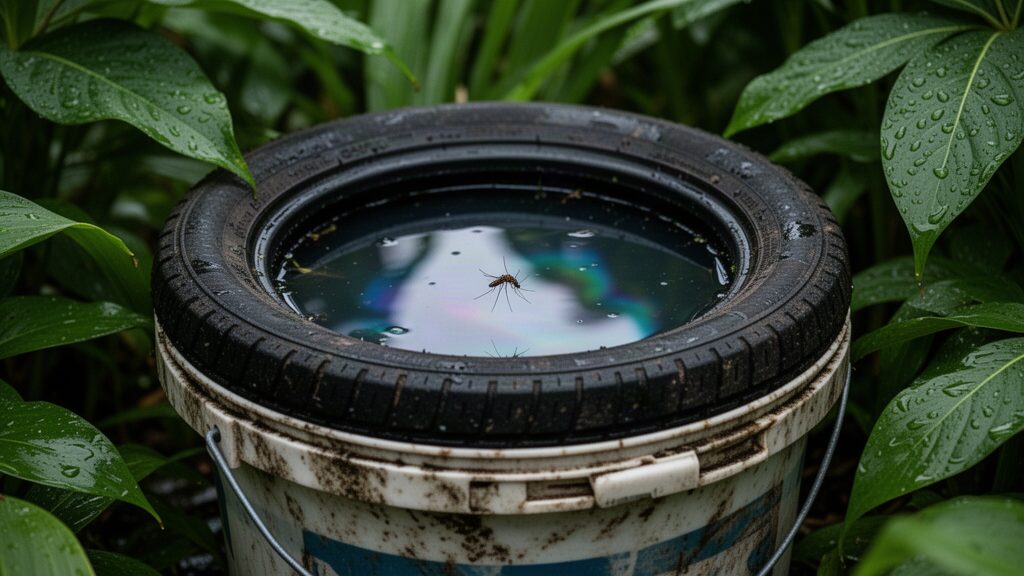
With heavy rain falling, residents are asked to inspect their homes and yards at least once a week and empty any standing water, because Aedes aegypti can breed in very small amounts. The ministry recommends repellents containing DEET, picaridin or IR3535, used according to the label, and long sleeves and trousers outdoors during the day. People who have dengue are urged to avoid bites in the first week of illness so they do not pass the virus on.
The ministry says it will issue updates as the situation develops.
What It Has Not Said
The release gives one case and nothing more. It does not say where on the island the person lives, whether the patient is recovering, whether household contacts have been checked, or whether vector control teams have been sent to treat the area.
Those are not idle questions. A locally acquired case tells you transmission is happening, and one confirmed case usually means others have not been tested yet. Dengue often starts like flu, and plenty of people will stay home and never be counted. Telling residents which district is affected is not a privacy breach if no individual is named. It lets people in that area take extra care, and it lets everyone else judge their own risk.
The Responsibility Is Shared, but Not Equal
Households have a real part to play. Buckets, tyres, plant saucers, blocked gutters and water drums are the classic breeding sites, and a weekly check costs nothing. Every resident who does it protects their neighbours.
But a small island government cannot hand the whole job to households. Montserrat needs visible fogging and larviciding where the case was found, clean-ups of public land and abandoned lots, and clear advice from clinics on what to do if symptoms worsen, because severe dengue can be dangerous and needs medical care quickly.
The ministry should follow its first statement with a second one this week: the affected area, the actions taken, and a phone line people can call. Mosquitoes do not wait for the next update.