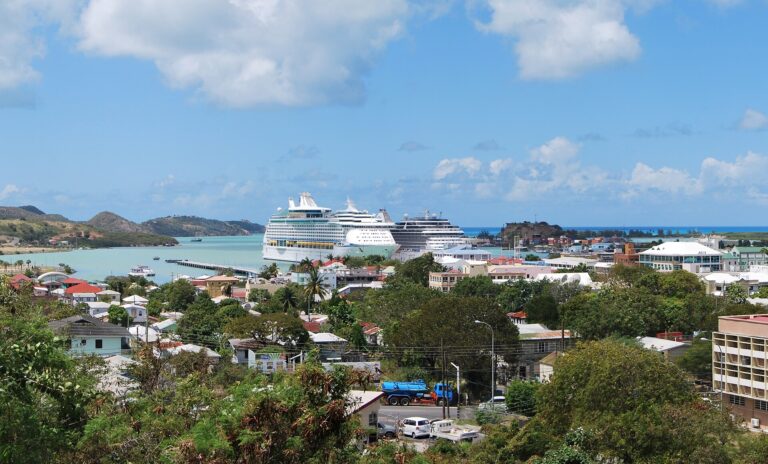
Norse Atlantic Grounds Its Planes, and Antigua’s Cruise Homeporting Bet Suddenly Looks Fragile
Norse Atlantic Airways has suspended operations, putting P&O Cruises charter flights from the UK to Antigua in doubt and exposing the island's cruise homeporting plan to a single point of failure.
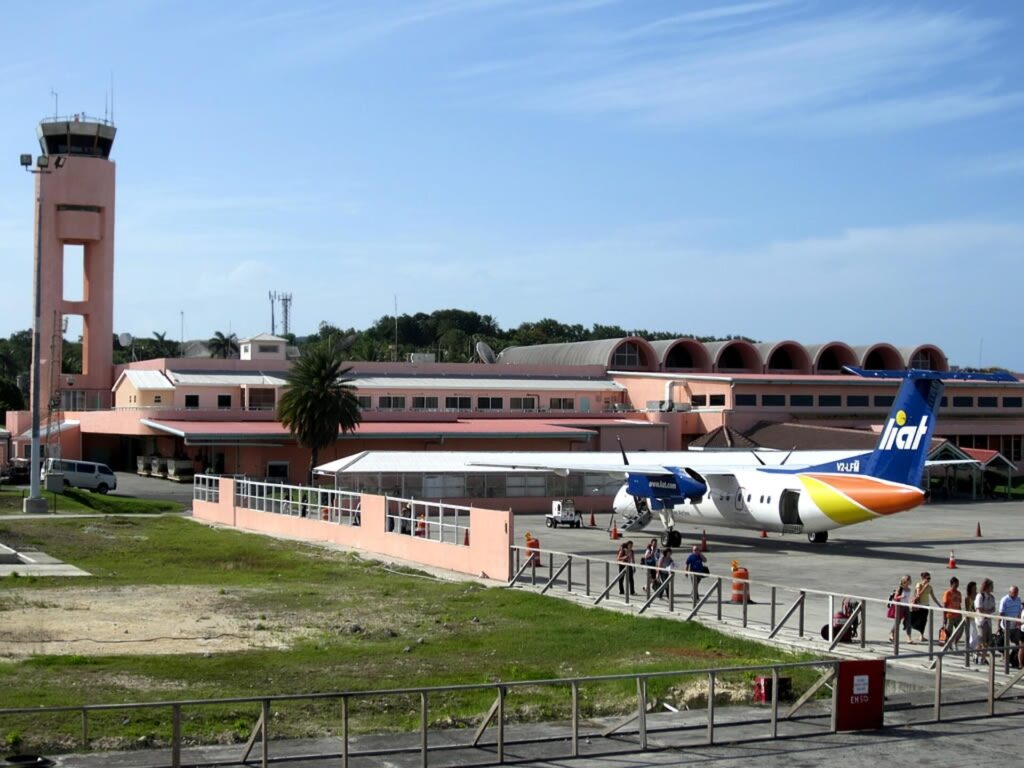
Antigua and Barbuda has spent years selling itself as a Caribbean cruise homeport, and on Wednesday one of the airlines that carries those cruise passengers to the island announced it was in critical financial trouble and suspending operations. Norse Atlantic Airways has cancelled flights and stopped taking bookings while it hunts for emergency money. Its shares reportedly fell about 85 per cent on the news.
For most of the world this is an airline story. For Antigua it is a tourism story, because Norse Atlantic was contracted to fly passengers for P&O Cruises’ 2026 to 2027 Caribbean season.
The Exposure
Under that arrangement, Norse was scheduled to run selected Saturday charters from London Gatwick and Manchester to Antigua between October 2026 and March 2027, bringing passengers to board ships departing from St John’s. Homeporting depends on exactly this: passengers fly in, spend a night or a meal or a taxi ride on the island, and sail out. Without the plane, there is no passenger, and without the passenger, the economic case for homeporting weakens.
So far there is no announcement that P&O has cancelled its Antigua programme. Antigua Cruise Port’s schedule still lists P&O’s Arvia for a partial turnaround call on November 28, with more visits planned through the winter. It is unclear whether other airlines could take over the affected charters. Norse is reportedly exploring emergency financing, a possible takeover and other options. The disruption has already hit flights it operated for Pakistan International Airlines.
One Airline Should Never Be a Single Point of Failure
This is the moment for the Ministry of Tourism and the Antigua and Barbuda Tourism Authority to show they have a contingency plan, and to say so publicly. Did anyone assess the financial health of the airlines feeding the homeport programme? What share of this season’s turnaround passengers were booked on Norse charters? Has the government spoken to P&O about replacement aircraft? These are not unreasonable questions for an island that has made homeporting a central plank of its tourism strategy.
The danger here is not one Saturday flight. It is a pattern in which small tourism economies tie major programmes to a single carrier and hope nothing goes wrong. Low-cost long-haul airlines operate on thin margins and are vulnerable to fuel prices and demand swings. Building a homeport on that foundation without backup is a gamble, and the people who lose if it fails are the taxi drivers, vendors, hotel workers and tour operators who were promised the spin-off business.
What Happens Next
The best outcome is that P&O moves its passengers to other aircraft quickly and the Arvia arrives on schedule with full manifests. That would show the homeport model can survive a shock. The worst outcome is a quiet thinning of turnaround calls over the season while officials insist all is well.
Either way, the government should not wait for P&O or Norse to tell the public what is happening. It should confirm what it knows now, say whether any of this season’s calls are at risk, and set out how it will diversify the airlift that homeporting depends on. Antigua has invested heavily in the idea that ships start their voyages here. Making sure the passengers can actually get here is the bare minimum.