Born in the BVI, Still Needed a Visa: Government Finally Frees Under-11s From Entry Permits, Two Years After the Law Was Passed
The BVI has removed visa and entry permit requirements for eligible locally born children under 11, two years after the enabling law was passed. The relief ends at age 11.
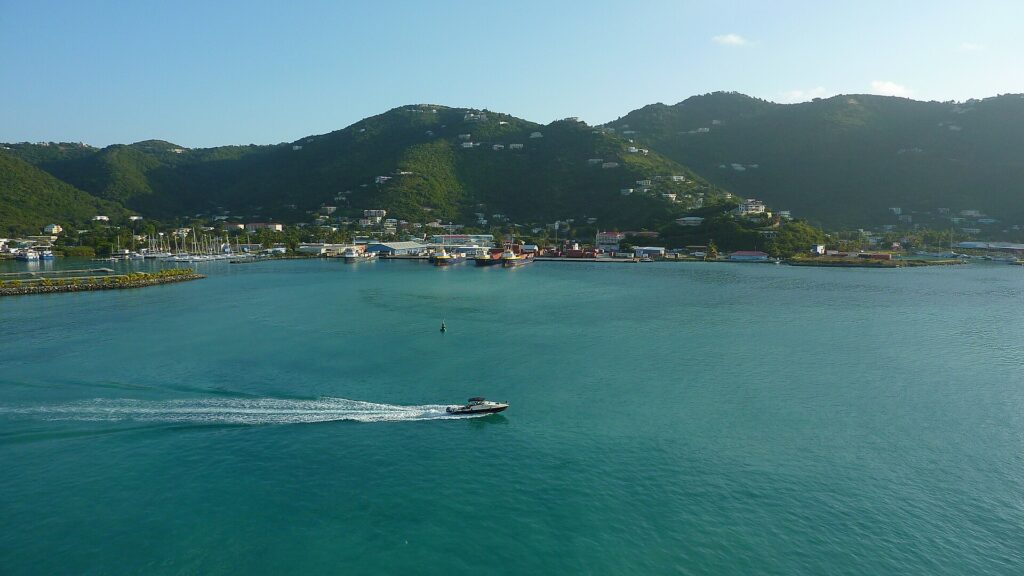
Children born in the Virgin Islands, raised there and enrolled in its schools have until now needed immigration permission to stay in the only home they know. That has finally changed. The more uncomfortable fact is how long it took.
What Has Changed
The Department of Immigration said on Tuesday that eligible children under 11 who were born in the territory no longer need a visa or entry permit. They can enter and leave without the usual immigration controls, and can live in the BVI and attend school without asking the department’s permission. To qualify, children must be ordinarily resident in the territory, with parents who are also ordinarily resident.
The exemption covers children who hold neither a Certificate of Residence nor Belonger status under sections 16 or 18 of the Immigration and Passport Act. Children aged 11 or over, and those who live abroad, must still meet the normal requirements. The department has begun sending confirmation letters that parents can use for school registration and other official business, and parents who have not received one are asked to visit its offices on Tortola or Virgin Gorda.
“These changes represent an important step in modernising our immigration framework and reducing unnecessary barriers for children born and raised in our territory,” said Chief Immigration Officer Nadia Demming-Hodge.
The Slow Road
Now the timeline. The Immigration and Passport (Amendment) Act, 2024, which allows these children to move without immigration controls, received the Governor’s assent on November 1, 2024. The exemption order was published in the Gazette on May 11, 2026, as Statutory Instrument No. 26 of 2026. The public announcement, and the letters parents actually need, came this week.
That is two years from law to practical relief for families. For a seven-year-old, that is a large share of childhood spent technically needing permission to live in the place where they were born. Legislators had raised these very difficulties during debate on the amendment, so nobody in government can say the problem was unknown.
Who It Leaves Out
The government has also been careful to say the amendment does not create a new route to residence status for these children. That is a political choice, and it shows. At 11, the exemption ends, and a child who has grown up in the BVI goes back to meeting immigration requirements unless the family has secured status by then.
The department says the change is meant to give children access to education and essential services before they get permanent status. Fine, but it does not say how or when that permanent status will come. Families now have a letter that works until a birthday. What they need is a clear, published path for children born and raised in the territory to settle their status before that birthday arrives.
This is a decent reform, and Demming-Hodge’s department deserves credit for finally delivering it. But the BVI should not be satisfied with a fix that took two years and ends at 11. These are the territory’s children in every way except paperwork. The law should catch up with that.