$1.77 Billion in Fuel Subsidies, and the Pump Owners Say They Never See a Cent. The Energy Ministry Calls It Confidential
Service station owners want to know why $1.77 billion in fuel subsidies flows to distributors, and why the Energy Ministry is keeping the deal secret.
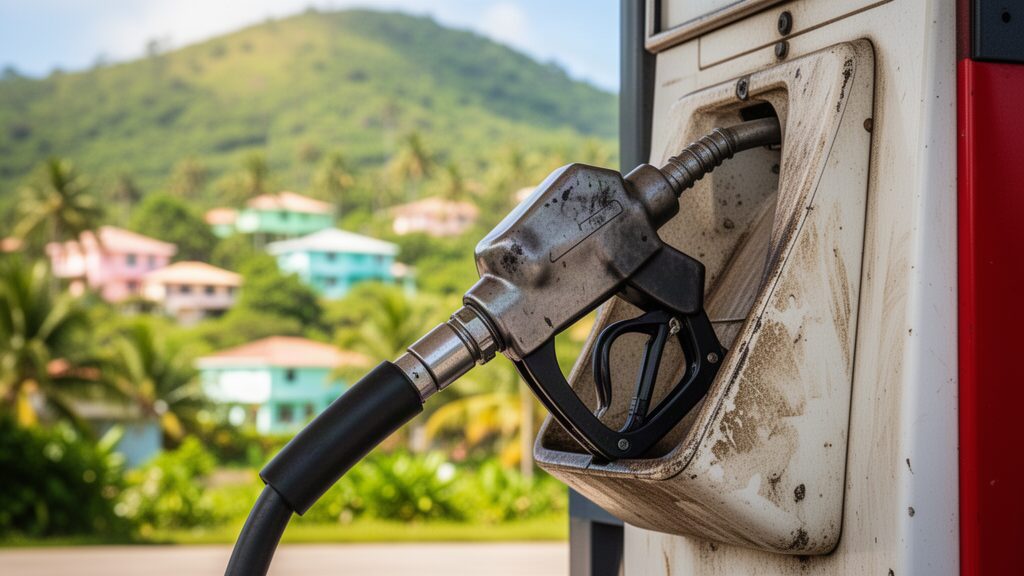
Trinidad and Tobago owes its two fuel distributors $1.77 billion in subsidy payments, and the people who actually sell petrol to motorists are asking the obvious question: why is the money going to the middlemen at all? The Service Station Owner Dealers Association has demanded that the government explain how it will pay the debt, where the money will come from, and why subsidies are routed through distributors instead of being paid directly to Paria Fuel Trading Company.
Association president Reval Chattergoon says dealer-owned and operated service stations get no benefit from the subsidy payments. That alone should make taxpayers sit up. A subsidy is public money spent to keep pump prices down. If it is being handed to two private distributors in a way the retailers cannot see, the public has every right to know exactly what it is buying.
A Loophole Measured in Degrees
The dealers raise a technical point with real money behind it. Fuel expands when it is warm, and the association suggests that differences in how fuel temperature is measured could let distributors record higher volumes sold to service stations, which would inflate the commissions they earn. That is an allegation of a possible weakness in the system, not proof that anyone has abused it. But it is exactly the kind of question an auditor would ask, and it should have been answered long before a dealers’ association had to raise it in a press release.
The association also questions the quality of the fuel Paria buys on the international market and whether the country is getting value for money.
Secrecy Is the Real Scandal
The most damning detail is the one about information. The dealers say Freedom of Information requests have shown that the Ministry of Energy is treating details of the subsidy arrangement as commercially sensitive and confidential. A billion-dollar transfer of public money is being shielded from the public that pays for it.
There may be genuine commercial terms that should stay private. The formula for how subsidies are calculated, who receives them and how they are reconciled is not one of them. If a minister cannot publish the basic rules of a scheme costing this much, the scheme is not fit for purpose.
Who Gains and Who Pays
The distributors gain from an opaque system that routes public money through them. The government gains political cover by keeping pump prices steady without having to explain the bill. Motorists, taxpayers and the small station operators pay: the first two through the treasury, the last through margins squeezed by a deal they cannot inspect.
The association wants a review of the arrangement and full disclosure of how payments are worked out. That is a modest request. The Energy Minister should publish the subsidy formula, the volumes paid for, and an independent audit of how fuel is measured from depot to pump. Until then, every dollar of that $1.77 billion carries a question mark.