Washington Brands the Klansman Gang a Transnational Criminal Organisation. Jamaica Needed Someone Else to Say It
The US has labelled Jamaica's Klansman gang a transnational criminal organisation. After three decades of extortion in Spanish Town, the harder work is still at home.
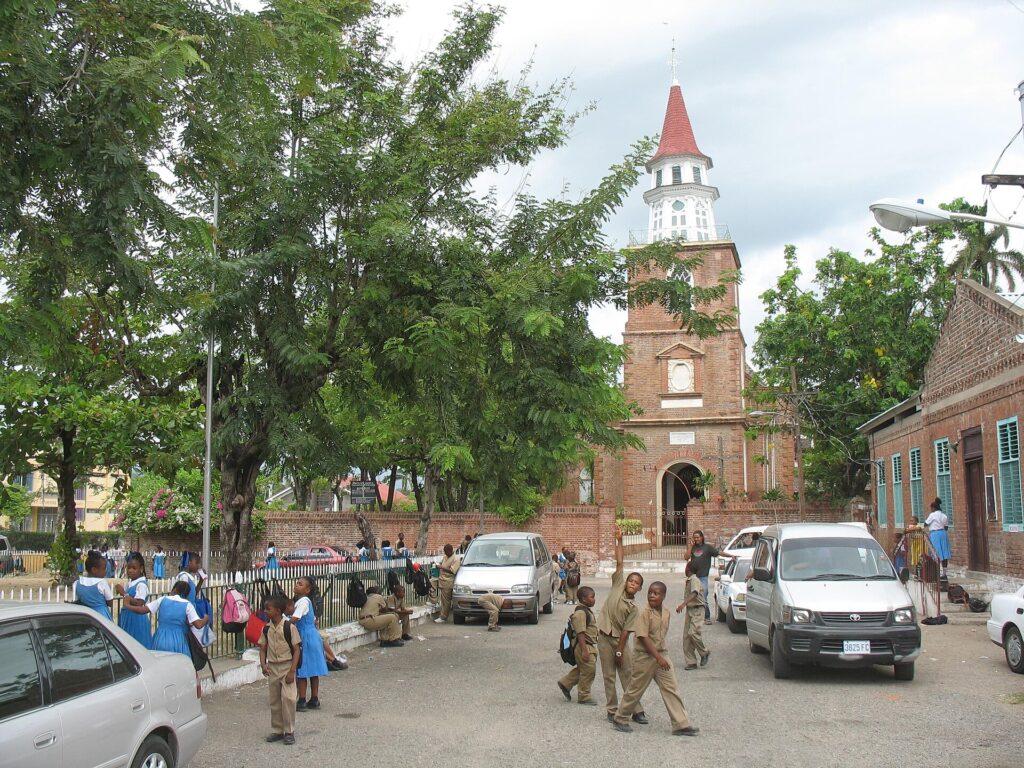
It took a United States government label to put a Spanish Town extortion racket in the same sentence as the Sinaloa Cartel, and that should embarrass Jamaica more than it reassures it. The US has designated the St Catherine-based Klansman gang a transnational criminal organisation, a step that bars purported members from entering the country. Prime Minister Andrew Holness announced it after meeting US Assistant Secretary of State for Western Hemisphere Affairs Juan Pablo Segura and his delegation in Kingston.
The designation is not symbolic. A transnational criminal organisation label is the category Washington uses for cross-border outfits such as the Sinaloa Cartel and Hezbollah. It cuts off travel, and in practice it makes money linked to the group far harder to move. For a gang whose business model is squeezing cash out of taxi men and bus park vendors, that matters.
Three Generations of Extortion
The Klansman story is not new. Its early leader Derrick ‘Puppy String’ Eccleston was killed in 1993. Donovan ‘Bulbie’ Bennett, Jamaica’s most wanted man for more than a decade, built an empire of some 80 vehicles and heavy equipment before he was shot dead in a joint police-military raid at a seven-bedroom hideout in Tanaky, Clarendon, in October 2005. His wealth was estimated at more than J$100 million.
Prosecutors now describe the Klansman as a third-generation gang with tentacles in St Catherine, Clarendon and Manchester. Former members have testified that it had about 400 members across its factions, clearly defined roles and corrupt links with the police. Police once estimated it took in J$1.8 million a week. One witness said a single section of the Spanish Town bus park paid between $80,000 and $100,000 a day; another said a loan company paid a splinter faction up to $150,000 a month.
Fifteen members of the One Don faction, including leader Andre ‘Blackman’ Bryan, were convicted under the anti-gang law in March 2023. Twenty-five alleged members of the faction associated with Tesha Miller are now before the Supreme Court on 16 counts, including murder and robbery, said to have been committed between 2017 and 2022. They are presumed innocent until that court says otherwise.
The Uncomfortable Question
Here is what the announcement does not answer. If a gang can run for more than 30 years, survive the killing of its leaders, collect protection money in broad daylight in a municipal bus park and keep friends inside the police force, the failure is not only the gang’s. It belongs to every administration that treated Spanish Town extortion as a local nuisance rather than an organised economy.
A US travel ban will not stop a bus park collector who has never applied for a visa. What it might do is reach the people further up who launder, invest and travel. Jamaica should use the moment to do the same at home: follow the money, seize the trucks and the houses, and publish what has been recovered under the proceeds of crime law. Holness was happy to announce Washington’s decision. The better announcement would be a Jamaican one, with numbers attached.
Who Pays
The people who pay are the vendors, taxi operators and small business owners of St Catherine, who have funded this gang through fear for three decades. They do not need another designation. They need a police force that can be trusted, and a state that stops waiting for someone else to name the problem first.