COP31 Collapse: The Caribbean Walked Away From Antalya, and It Was Right to Do It
COP31 ended without a deal after Caricom, negotiating as one bloc for the first time, rejected a text that did not mention fossil fuels. The region was right to walk away.
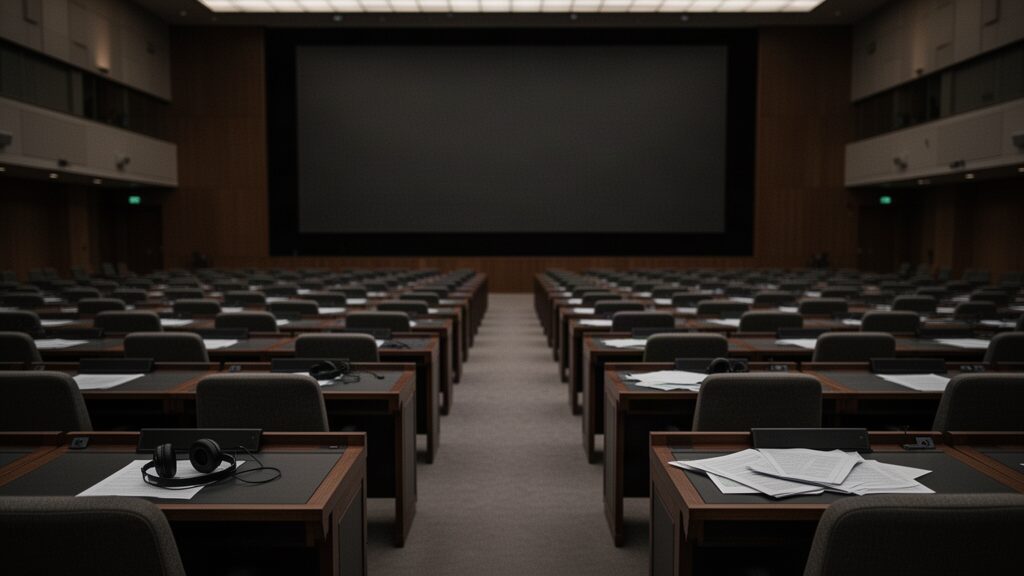
COP31 collapsed in Antalya without a final agreement, and for once the Caribbean was not the polite guest who signs whatever is put in front of it. Caricom, negotiating as a single bloc at a climate summit for the first time, refused a text that did not even mention fossil fuels. That refusal is the most useful thing the region has done at a climate conference in years.
The talks ran almost two days past schedule, the longest climate conference on record, and ended on Sunday with no cover decision. It is the first time since Copenhagen in 2009 that countries have left without an agreed outcome. Individual agenda items were adopted; the political heart of the deal was not.
What We Know So Far
The draft that circulated on 22 November, according to Trinidad and Tobago’s Planning Minister Kennedy Swaratsingh, acknowledged some small-island concerns but fell short on the three things that matter most to this region: adaptation finance, loss and damage, and keeping warming to 1.5 degrees Celsius. Caricom wanted a clear plan to at least triple adaptation finance by 2035, with a baseline and milestones so that progress could actually be measured.
Bahamas Prime Minister Philip Davis went further. He said a proposed annual US$120 billion adaptation target was removed, and that the final text dropped the Dubai commitment from COP28 to transition away from fossil fuels. “The final text did not mention fossil fuels at all,” he said. He blamed a small number of oil and gas producers for using the consensus rule to strip out any reference to the cause of the crisis. “Antalya has failed future generations,” was his verdict.
In its statement from the secretariat in Guyana, Caricom said accepting the proposed text could have weakened gains already secured for small island states and set a dangerous precedent. Barbados Prime Minister Mia Mottley, alongside UN Secretary-General António Guterres, warned that small states cannot afford for the negotiations to stall.
Who Gains From a Text That Forgets Fossil Fuels
Be clear about who benefits from a climate agreement that refuses to name oil and gas: the people selling oil and gas. A text that admits the world is heading past 1.5 degrees while saying nothing about why is not a compromise. It is a confession with the culprit’s name blacked out.
Small island states produce less than one per cent of global emissions. They pay for everybody else’s in coral bleaching, flooded coastlines, salted water supplies and the hurricane rebuilding bills that drag their debt higher every few years. Signing a weak text would have meant, in Davis’s framing, small islands effectively signing away their right to demand meaningful action. Walking out was the only position with any self-respect left in it.
The Awkward Part for Trinidad and Guyana
There is a harder conversation the region keeps postponing. Trinidad and Tobago lives on gas, and Guyana is now one of the fastest-growing oil producers on earth. Both stood with the bloc. That is to their credit, but it also means Caricom is demanding fossil-fuel language from the world while two of its members expand production at home. The bloc’s credibility at COP32 in Addis Ababa will depend on whether it can explain that contradiction honestly rather than hope nobody notices.
The other test is money. Caricom wants grants and highly concessional finance, not more loans dressed up as help, plus simpler and faster access to the loss and damage fund. Those demands are right. But the region also needs to show it can spend what does arrive quickly and transparently, because every delayed project becomes an excuse for rich countries to give less.
Antalya is a failure. It is not the Caribbean’s failure. The region held a line, held it together, and now has a year to turn a refusal into leverage. “Addis Ababa must give a better one,” Davis said. Caricom should go there with the same spine and a sharper answer to its own oil question.