Duty-Free Gas for the Bauxite Giants: Jamaica Hands Over the Break, Then Asks Politely for Something in Return
Jamaica's Senate has given bauxite and alumina producers duty-free LNG imports. A government senator warned companies to reinvest, but no conditions were written into law.
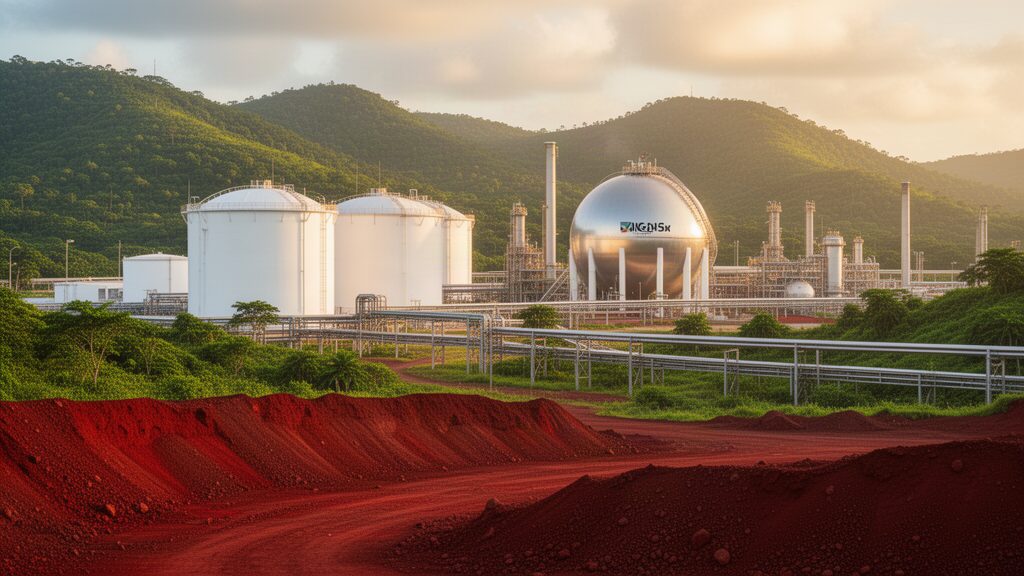
Jamaica’s bauxite and alumina producers can now import liquefied natural gas without paying a cent in import duty, and the only thing standing between that gift and a windfall is a government senator’s polite request that the companies please behave.
What the Senate passed
On Friday the Senate approved the Bauxite and Alumina Industries (Encouragement) (Amendment) Act, piloted by Foreign Affairs and Foreign Trade Minister Kamina Johnson Smith. It widens existing concessions to give recognised bauxite and alumina producers duty-free LNG imports. The stated aims are lower operating costs, more production and cleaner operations as the industry shifts away from heavy fuel oil.
The minister made the case with numbers. Jamaica was the world’s leading bauxite producer by 1957, with nearly a quarter of global output. By 2018 its share had fallen to 2 per cent, and by 2024 to 1.4 per cent. Yet the sector still accounts for 85 per cent of mining output and 85 per cent of traditional exports, and earned roughly US$612 million in 2025. Energy, she said, is one of its biggest obstacles to competitiveness.
The case for it is real
Credit where due. LNG is cleaner than heavy fuel oil, cuts carbon dioxide and nearly eliminates sulphur oxides, which matters to the communities that live downwind of alumina refineries. Cheaper energy can keep plants open and workers employed. An industry that kept foreign exchange flowing through the pandemic is worth protecting.
The catch nobody wrote into law
Here is the problem. Government Senator Kavan Gayle backed the bill and then said what should have been in it. “Don’t just take this concession just for the mere objective of it,” he told the chamber. It must lead to investment in plant and equipment, modernised production and better skills for workers. He urged the government to monitor whether companies actually improve.
That is a speech, not a clause. The concession has been passed; the obligations remain a hope. Jamaica has been here before, handing tax breaks to foreign-owned mining interests in the belief that gratitude would follow. The country’s collapsing share of world output suggests gratitude is not a business model.
Every dollar of duty forgone is a dollar the treasury does not collect for schools, roads or hospitals. Taxpayers are entitled to know how much revenue this will cost each year, which producers qualify, and what the government will do if the savings flow to shareholders instead of the plants. None of that was set out in what the Senate heard.
Who should answer
Johnson Smith also said cheaper energy must benefit manufacturers so they stay competitive. Then extend the logic: if LNG duty relief is good for alumina, why not for the small manufacturers paying full freight? A concession for the biggest players and speeches for everyone else is not an energy policy.
The government should publish the projected revenue cost, attach measurable investment and employment conditions to the concession, and report on them to Parliament every year. Senator Gayle asked for monitoring. Make it law.