Chicken at $450 a Pound by Presidential Order: Guyana Caps Meat and Egg Prices and Leaves the Bill Unexplained
Guyana has set maximum prices for chicken, beef, mutton and eggs under a presidential initiative backed by more than 65 distributors. Nobody has said what it costs or who absorbs the difference.
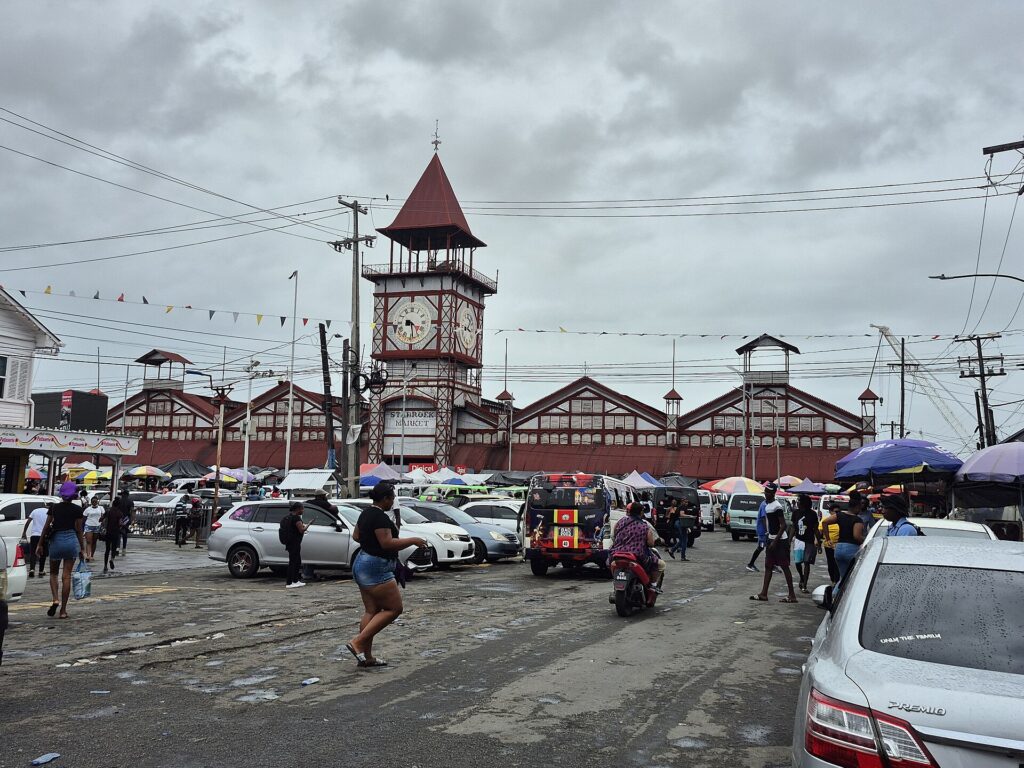
Guyana’s government has decided what a pound of chicken should cost, and for now the shops are going along with it.
More than 65 wholesalers and distributors have signed on to President Irfaan Ali’s plan to bring down the price of chicken, beef, mutton and eggs. The mechanism for chicken is direct state involvement: the Guyana Marketing Corporation will distribute it to participating wholesalers, who must pass it to supermarkets and market vendors at no more than $380 a pound. Retailers must then sell to the public at no more than $450. That arrangement takes effect immediately.
Ceilings on the rest follow in the coming weeks: beef at no more than $800 a pound, mutton at no more than $1,200 and eggs at no more than $1,400 a tray. The number of participating businesses is expected to grow significantly.
Welcome relief, missing arithmetic
Any family that has watched its grocery bill climb will take cheaper protein gladly, and a government that acts on food prices is doing what voters ask of it. The initiative is presented as serving two masters at once: lowering the cost of essentials while supporting local producers and distributors.
That is where the questions start, because those two aims pull against each other. If the consumer pays less and the farmer is not to receive less, somebody covers the difference. The announcement does not say who. It gives no cost to the Treasury, no word on what price the marketing corporation pays for the chicken it will distribute, and no end date.
A retailer is being allowed a margin of up to $70 on every pound of chicken. A wholesaler’s margin depends on a purchase price nobody has published. Whether those margins are fair, generous or ruinous is impossible to judge from what has been made public.
What price controls tend to do
Price ceilings are popular on the day they are announced. Their record afterwards is mixed. Where a cap sits below what it costs to produce and deliver, sellers hold back supply, quality slips, or goods move to buyers willing to pay more out of sight. Where the State fills the gap with subsidy, the cap lasts exactly as long as the subsidy does.
Guyana may be able to afford that for some time. But affordability is not the same as wisdom. A plan that has the State acting as distributor for an entire category of food concentrates a great deal of commercial power in one agency. Which suppliers the corporation buys from, and which wholesalers it favours with stock, become decisions worth real money. Those decisions should be visible.
Three things to publish
The Government can settle most of this quickly. Publish the full list of participating businesses and the terms they signed. Publish what the marketing corporation is paying producers. And publish the monthly cost to the public purse.
If the scheme is simply squeezing excess margin out of the middle of the supply chain, that will show, and the President will deserve the credit. If it is a subsidy with a friendlier name, the public should know that too. Cheaper chicken is a good thing. Paying for it twice, once at the counter and once through the budget, is not the bargain it looks like.