
Grenada Brings Back Its Fiscal Rules in 2027, and the Fuel Subsidy Is First in Line for the Knife
Grenada returns to its 1.5 per cent primary surplus rule in 2027 after the post-Beryl suspension. The Prime Minister is already reviewing fuel and electricity subsidies.
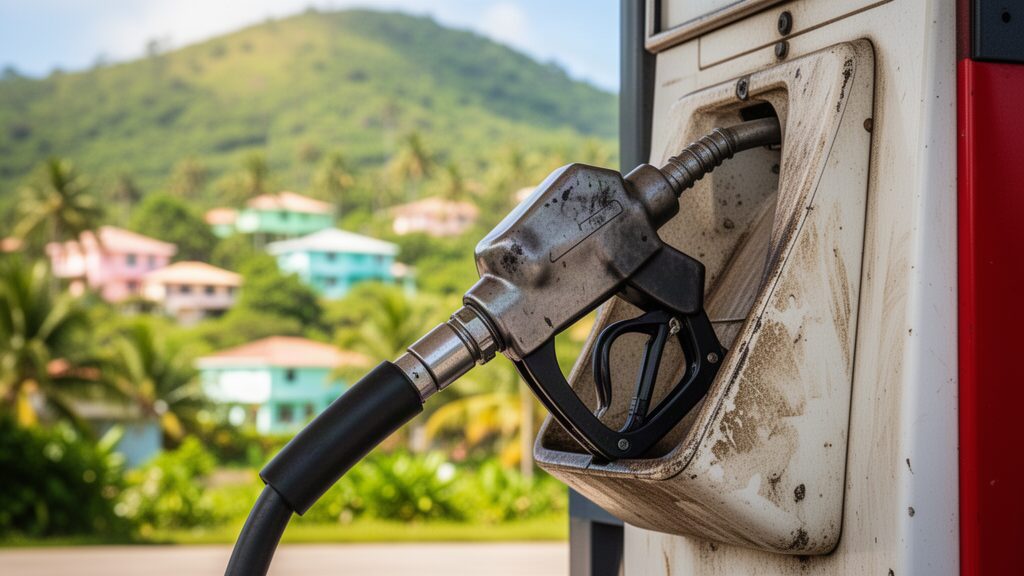
Dickon Mitchell has started preparing Grenadians for a tighter budget, and he has chosen the gentlest possible word for it: review. When a prime minister reviews a subsidy in the same breath as he promises fiscal discipline, households should check their fuel receipts.
Grenada will return in 2027 to the rules of its Fiscal Resilience Act, which were suspended to make room for recovery and reconstruction after Hurricane Beryl. ‘Fiscal discipline is absolutely important,’ Mitchell said. ‘If we don’t maintain fiscal discipline, it means you’re going to spend more than you earn.’
What the rules require
Under the 2023 law, the Government must run a primary balance, meaning revenue and grants minus spending before interest, of at least 1.5 per cent of GDP every year until public debt reaches its target. That target is 60 per cent of GDP by 2035.
The International Monetary Fund, in its 2025 assessment, said the suspension gave Grenada room to rebuild without starving other priorities, and that going back to the rules in 2027 would keep debt on a sustainable path. It expects the return to the 1.5 per cent floor to be achieved largely through lower capital spending as the exceptional post-Beryl works wind down.
Mitchell tells it as good news. Less reconstruction spending, he says, frees money for agriculture, healthcare and infrastructure and lets the country rebuild its reserves against the next storm or shock. That is the optimistic reading. The arithmetic is less kind: a government cannot both pocket the savings from ending reconstruction to hit a surplus target and spend those same savings on new priorities. Something has to give.
The subsidy question
The Prime Minister has already indicated where to look. The return to the framework brings renewed scrutiny of fuel and electricity support, and he says the Government will assess those measures as it prepares the budget. He recalled that the petrol tax was cut from EC$5.50 to zero before being permanently set at EC$3.50, and that an EC$17 cap on fuel prices was introduced. ‘We’re going to review all of these to see how effective we’ve been and what impact it’s had on the cost of fuel,’ he said.
He has not said that household support will be cut immediately. He has not said it will be kept either. At the same time the Government intends to press ahead with its EC$1,000 Child Investment Bond from January 1, 2027. A new benefit and a surplus rule arriving on the same date is a combination that usually ends with an older benefit quietly shrinking.
Discipline for whom?
There is a sound case for the rules. Grenada sits in the path of hurricanes and has learned the price of debt the hard way. Reserves built in calm years are what pay for the recovery after the next Beryl, and a credible framework keeps borrowing costs down.
The issue is who carries the adjustment. A fuel cap helps the fisherman, the bus driver and the family with one old car far more than it helps anyone with a salary to absorb the difference. If subsidies are to be trimmed, the Government owes the country the numbers: what each measure costs, who benefits and what will replace it for those at the bottom. That task now falls to the newly appointed Finance Minister, David Andrew, whose first budget will show whether fiscal discipline in Grenada means prudence shared fairly or a bill handed to the people least able to pay it.


