Antigua’s Only Defence on Its Dead MRI Machine: It Has Been Broken for Ten Weeks, Not Six Months
The Sir Lester Bird Medical Centre says its MRI machine has been down since 8 September, not six months, after humidity damage. Patients have still been left to seek scans in Trinidad.
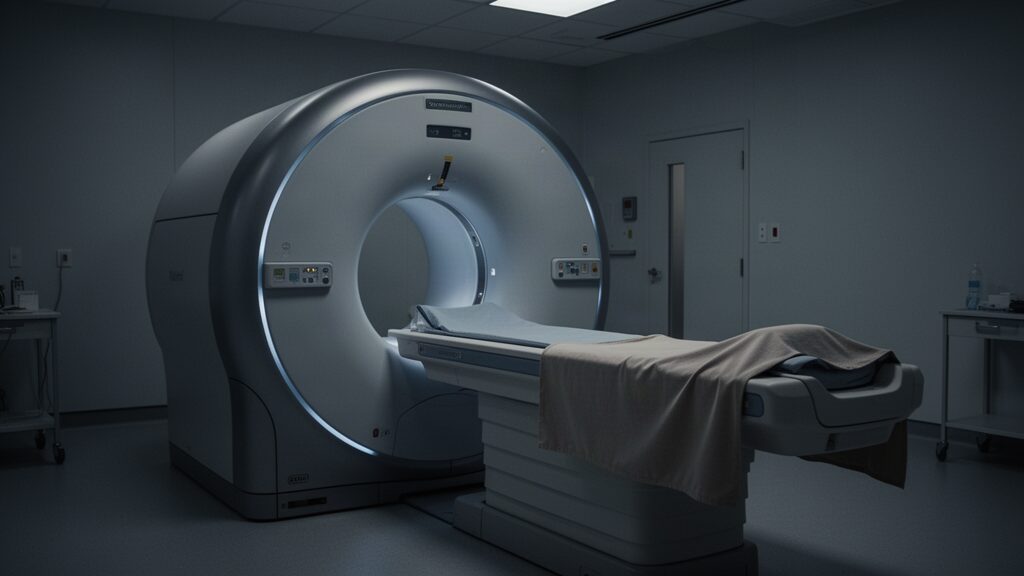
The Sir Lester Bird Medical Centre would like the public to know that its MRI machine has not been out of service for almost six months. It has been out of service since 8 September. That is the correction the hospital chose to issue this week, and it says a great deal about how low the bar has been set for health care in Antigua and Barbuda.
The complaint and the reply
The row began with a patient’s post online. The patient questioned the long interruption to the MRI service, asked why people were having to travel to Trinidad for scans, and described delays in getting a scan needed before surgery. “Minister of Health are you in Antigua?” the post asked, before wondering aloud whether health is a priority in the country at all.
Medical Director Dr Shivon Belle-Jarvis responded that the machine went offline on 8 September because of humidity-related problems, that specialised replacement parts are required, and that the hospital has spent more than US$50,000 to obtain them. “We are hoping to resume operations shortly, pending the arrival of the final component this week and subsequent installation and testing by our technical team,” she said. The machine completed 437 scans in 2026 before it failed, compared with 483 in all of 2025 and 453 in 2024.
Ten weeks is not a rebuttal
Give the hospital its due: it answered, it gave dates and it gave figures, which is more than many public institutions in the region manage. The scan numbers also suggest the machine was working hard until it stopped.
But read the reply again and notice what it does not dispute. It does not deny that patients have gone without a local MRI service for more than two months. It does not deny that some have had to look to Trinidad. It does not deny that surgery has been held up. The patient got the duration wrong and everything else, on the hospital’s own account, substantially right. Correcting six months to ten weeks is not a defence. It is a confession with better arithmetic.
And consider the cause. Humidity. In Antigua. A scanner costing a fortune was laid low by the one environmental condition that any building on a tropical island can be guaranteed to face every single day. Either the room’s climate control failed or it was never adequate, and the hospital’s statement does not say which, or who was responsible for maintaining it.
One machine, no backup
The deeper failure is that a single fault can switch off the service for a whole country. More than 400 scans a year means more than 400 people whose diagnosis depends on one ageing machine with no stand-in. When it goes down, those who can afford a flight get scanned abroad. Those who cannot simply wait, and with some conditions waiting is its own harm.
Belle-Jarvis says the hospital intends to upgrade its “aged diagnostic equipment” throughout 2027. Good. But that sentence is also an admission that management knew the equipment was old before it broke. The patient’s question was aimed at the Minister of Health, and it remains unanswered by the minister. Was money for replacement requested and refused? Is there an arrangement to cover patients’ costs when they are sent overseas because the State’s machine is down? What is the plan the next time the air conditioning falters?
The hospital thanked the community for its patience. Patience is not the problem. Antiguans and Barbudans have shown plenty. What they are short of is a health ministry that treats a ten-week diagnostic blackout as an emergency instead of a public relations detail to be tidied up.