Cabbage Beach Fence Goes Up a Fourth Time, and the Environment Minister Says Property Lines Are Not His Fight. Then Whose Is It?
The fence on Cabbage Beach is up for a fourth time as a $500 million Four Seasons project advances. The Environment Minister says property lines are the Attorney General's problem.
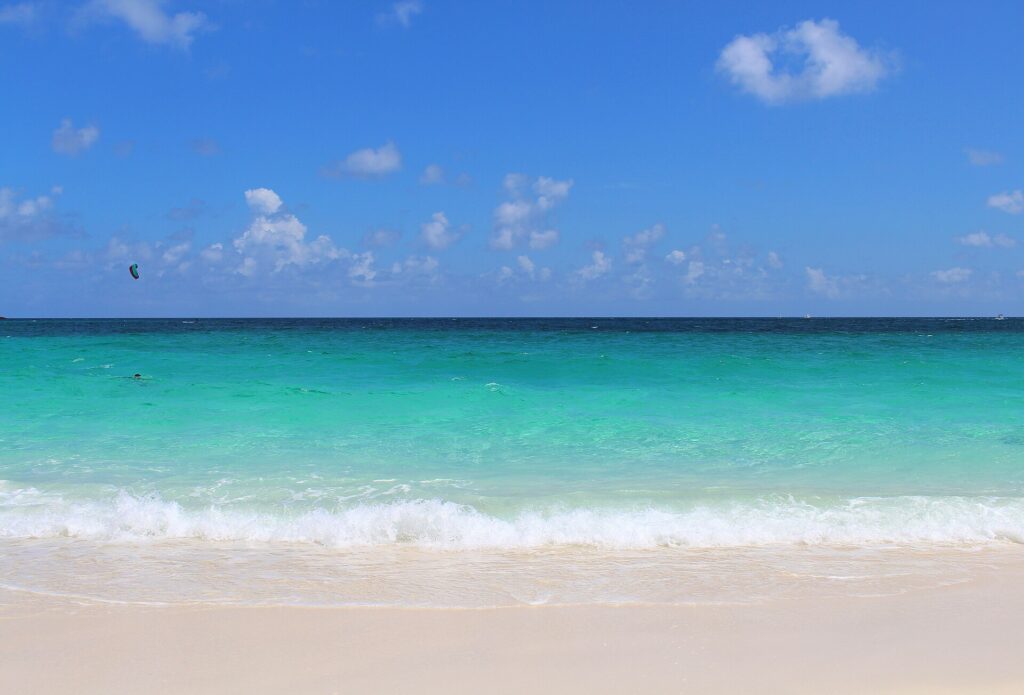
The fence on Cabbage Beach is back up for the fourth time, and Bahamians are being told to stay calm, talk it through and trust that nothing is being taken from them. That would be easier if anyone in government would say clearly who the beach belongs to.
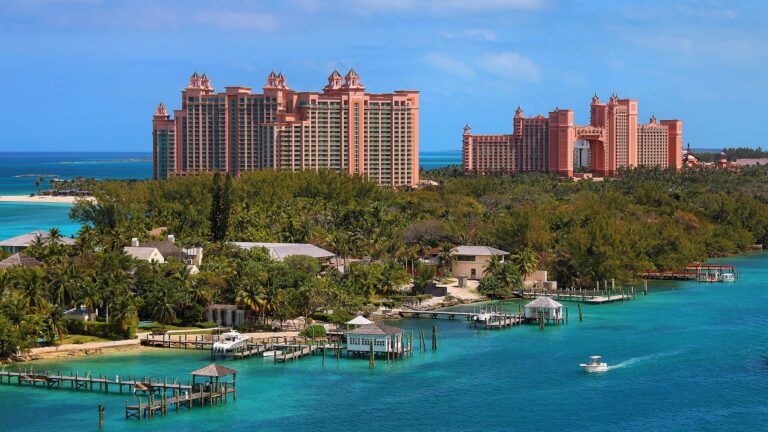
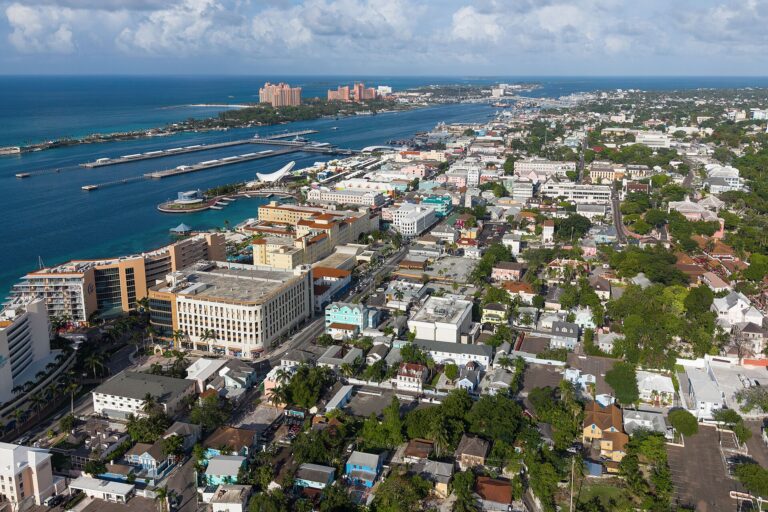
The barrier on Paradise Island coincides with a $500 million Four Seasons development that is moving ahead. Since August, vendors and activists have protested it, sections have been torn down, safety concerns have been raised, and a petition has asked the government to protect public access.
The Minister’s Answer
Environment Minister Zane Lightbourne says more dialogue is needed, and that the aim is to fight misinformation through research and conversation so people do not panic. Developers say this latest fence will stay for 21 days before being replaced by sheet piling to tackle coastal erosion.
“The fence now has a particular purpose, right? And it has a timeline, and all residents now know,” Mr Lightbourne said. On boundaries, he passed the question on: those queries belong to the Attorney General. “For environment, we don’t really get in the fight of property line,” he said.
He wants the developer to create opportunities for Bahamians, including ownership, jobs and a designated vendor area, and he wants vendors to run “an organized operation” rather than a disorganised one. As a former unionist, he said, he believes in advocacy, but warned that wrong information can lead people astray and harm national progress.
Four Fences Is Not a Communication Problem
Calling this misinformation misses the point. A fence that has been erected four times, torn down repeatedly and protested for three months is not a rumour. It is a physical barrier on one of the country’s best-known beaches, and the public has every right to ask where the line between private development and public foreshore sits.
The minister says that is not his department. Then the Attorney General should answer it, in public, with a map. If the fence sits on private land, show the survey. If it crosses land the public has used, say so and say what happens next. Telling vendors to be more organised while the legal question floats unanswered puts the burden on the people with the least power in this dispute.
Sheet Piling and the Fine Print
The erosion argument may be genuine. Beaches on developed coastlines do erode, and coastal works can be necessary. But sheet piling is a permanent engineering change, and permanent changes to a public beach deserve an environmental assessment that residents can read, not a 21-day countdown announced by the developer.
Mr Lightbourne’s ministry should publish whatever environmental approval the sheet piling has received and confirm that a walking route along the beach will remain open throughout. A $500 million resort can afford to make that guarantee in writing.
Cabbage Beach is where many Bahamians and visitors first meet Paradise Island. Whether they can still walk on it should not depend on which ministry feels like answering.