Linden Pays $5 for Power That Costs the State $63: Guyana’s Hidden Electricity Subsidy Just Got a $2.4 Billion Top-Up
Linden households pay GY$5 per kWh for power the state buys at up to GY$63, as Parliament approves another $11.3 billion for fuel.
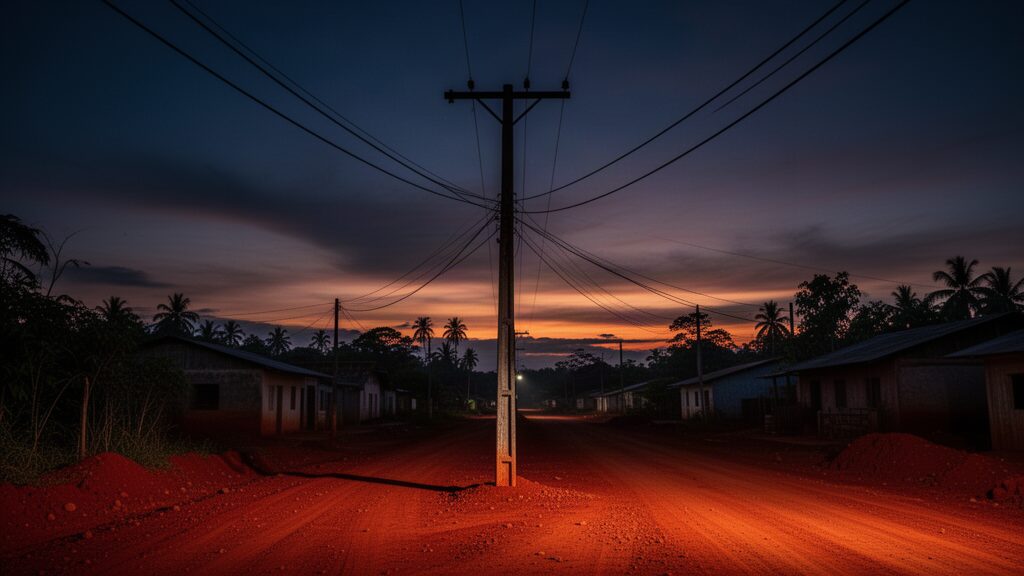
A household in Linden pays GY$5 for a kilowatt-hour of electricity. The state pays up to GY$63 to buy it. That gap, disclosed by Public Utilities Minister Deodat Indar in the Committee of Supply on Monday, is one of the biggest electricity subsidies anywhere in the Caribbean, and almost nobody outside Region Ten knew its size until now.
Indar was defending a request for $11.3 billion to cover fuel costs at state-owned power companies. The Guyana Power and Light company got $8 billion. The Linden Electricity Company, LECI, got $2.4 billion on top of the roughly $4.8 billion already budgeted. Smaller sums went to the power companies in Mabaruma, Mahdia, Port Kaituma, Moruca and Matthew’s Ridge, and to the Hinterland Electrification Company.
The Arithmetic
The minister said LECI buys power from Bosai Minerals Group at about GY$54 to GY$63 per kilowatt-hour and sells it at about GY$5 to households and GY$12 to businesses. A distribution cooperative gets it for GY$1. Linden has about 13,000 customers and roughly 16,000 streetlights. On the coast, most GPL residential customers pay GY$43.43 per kilowatt-hour and businesses GY$56.38, according to an August 2026 report.
Put bluntly, a family in Georgetown pays almost nine times what a family in Linden pays for the same unit of power, and the taxpayer in Georgetown helps cover the difference.
Fair, or Just Convenient?
There are reasons for Linden’s special treatment. It is a bauxite town whose economy was hollowed out when the industry shrank, and cheap power has long been part of a social bargain with its people. Nobody should want electricity bills there to jump overnight.
But a subsidy this large should be a deliberate, published policy, not something that surfaces only when a minister is pressed during supplementary spending. How long has the gap been this wide? What does it cost each year in total? Is the GY$1 rate to a cooperative justified, and who benefits from it? Why is the state buying power from a mining company at rates higher than coastal customers pay, rather than connecting Linden to cheaper supply? Those questions should be in the budget documents, not dragged out in committee.
The Promise Hanging Over It All
Indar and President Irfaan Ali point to the gas-to-energy project at Wales, which is meant to deliver 57 megawatts by year-end and to be fully operational by early 2027, as the answer. The President has promised to halve electricity rates once it runs. Some villages with solar power have already seen cuts, and Bartica got a 25 per cent reduction in June.
That is the government’s bet: subsidise heavily now and let cheap gas close the gap later. It may work. But if the gas plant slips, as large projects in Guyana often do, the country will keep writing billion-dollar cheques to fill fuel tanks. Coastal consumers, who pay the most and get the least explanation, deserve a full statement of what every region’s power really costs and who is paying for it.